
Field monitoring
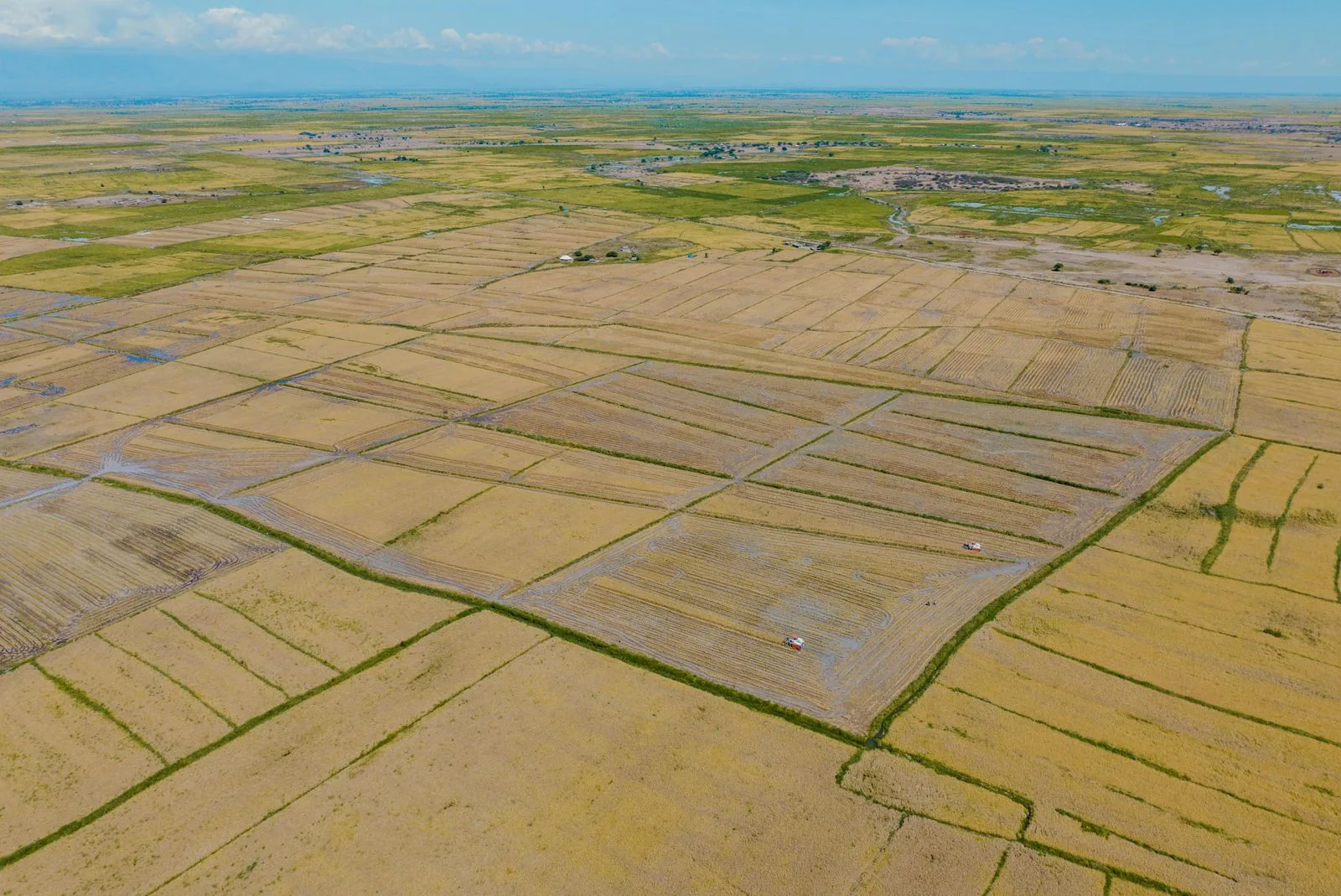
Combine drone imagery, sensor readings and weather into a view of each plot, with alerts when something drifts.


Sensors, drones, phones and shared data are helping growers decide when to plant, water, spray and sell.
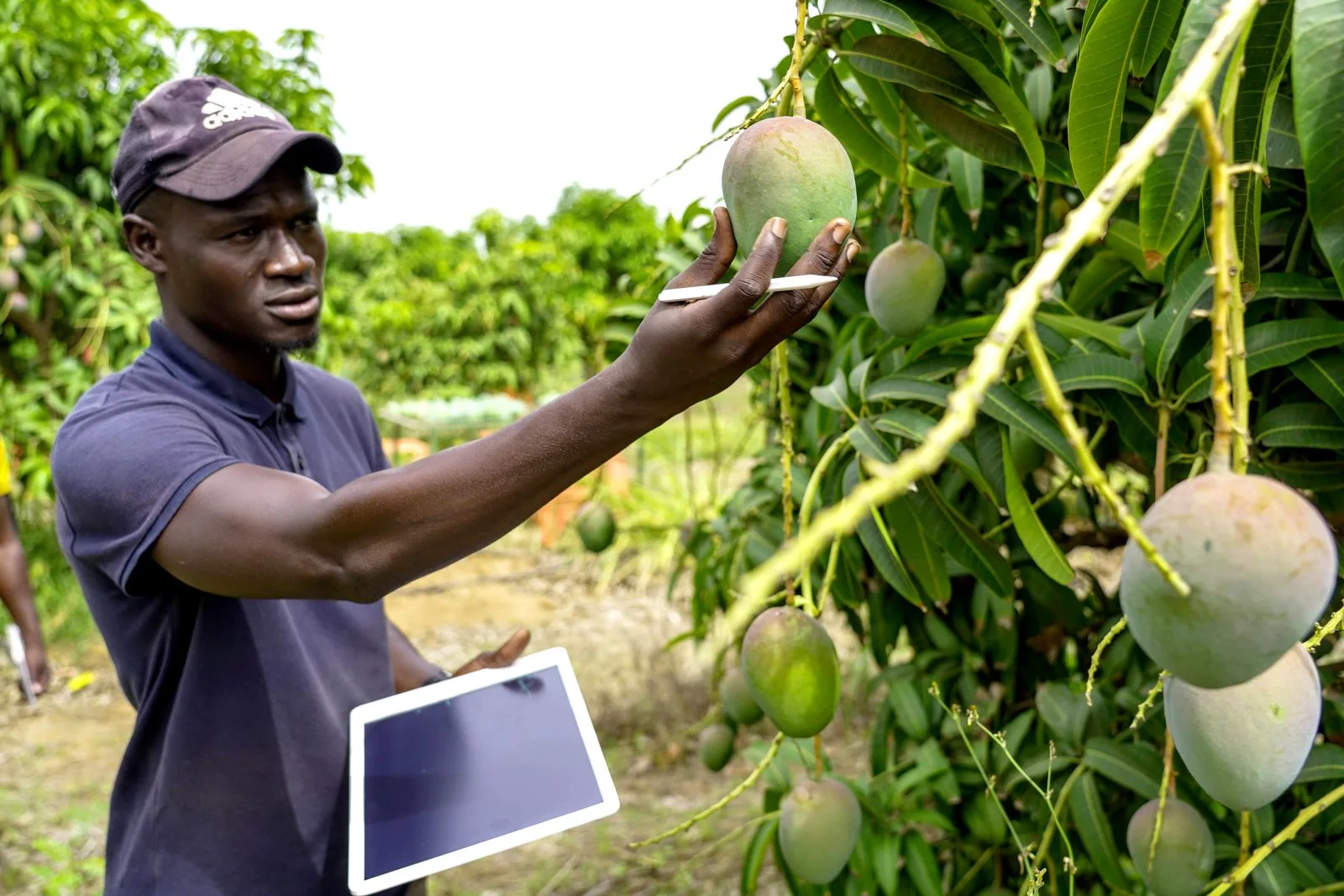
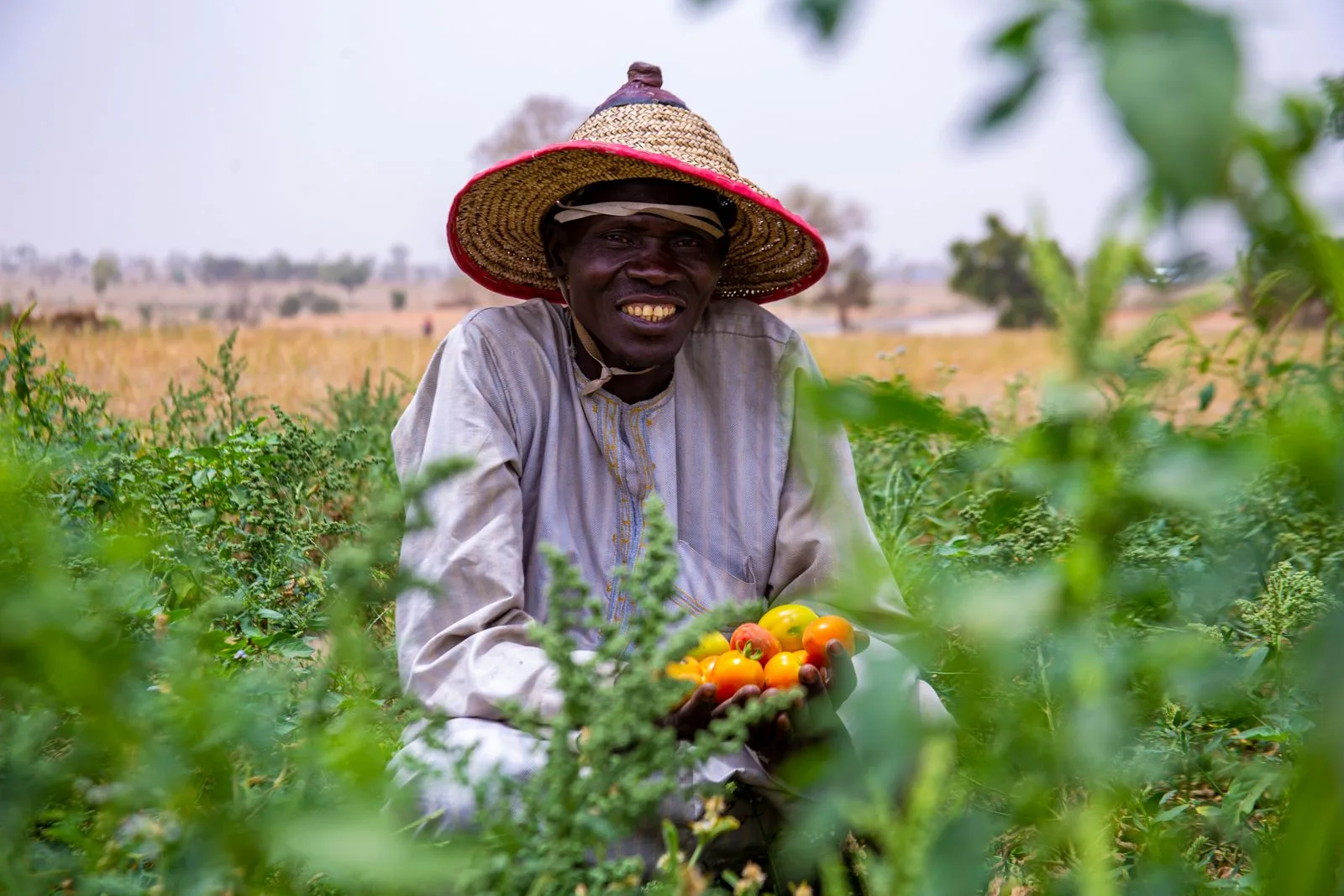
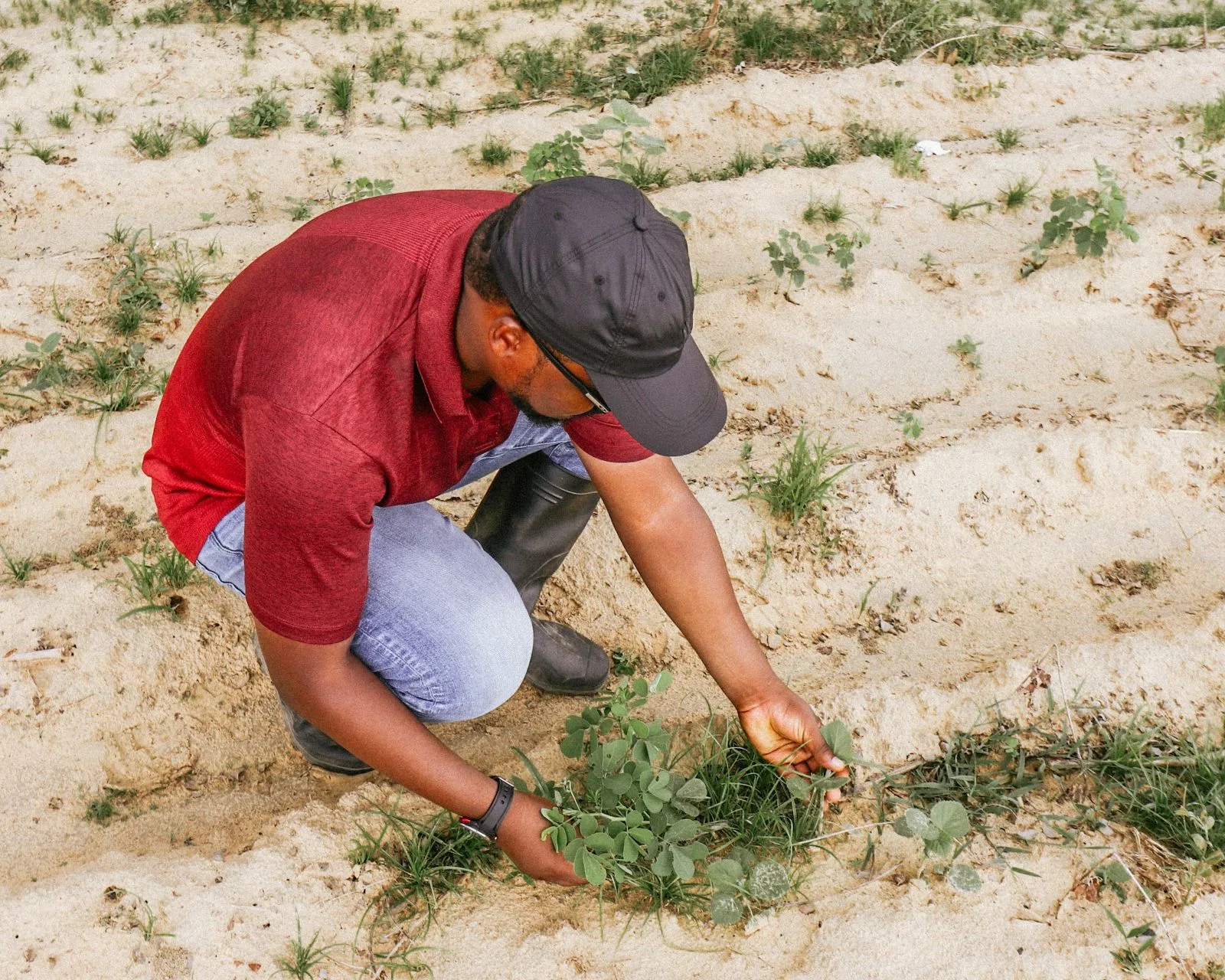
Farming has always run on judgement. Technology adds evidence: soil moisture readings, satellite and drone imagery, weather forecasts and records of what worked last season.
The value is not the gadget. It is the decision it improves: when to irrigate, where to spray, which plot to harvest first, which buyer to call.
Boltcliq builds the data layer behind these tools, so farm records, field readings and market prices live in one governed model rather than in separate apps.
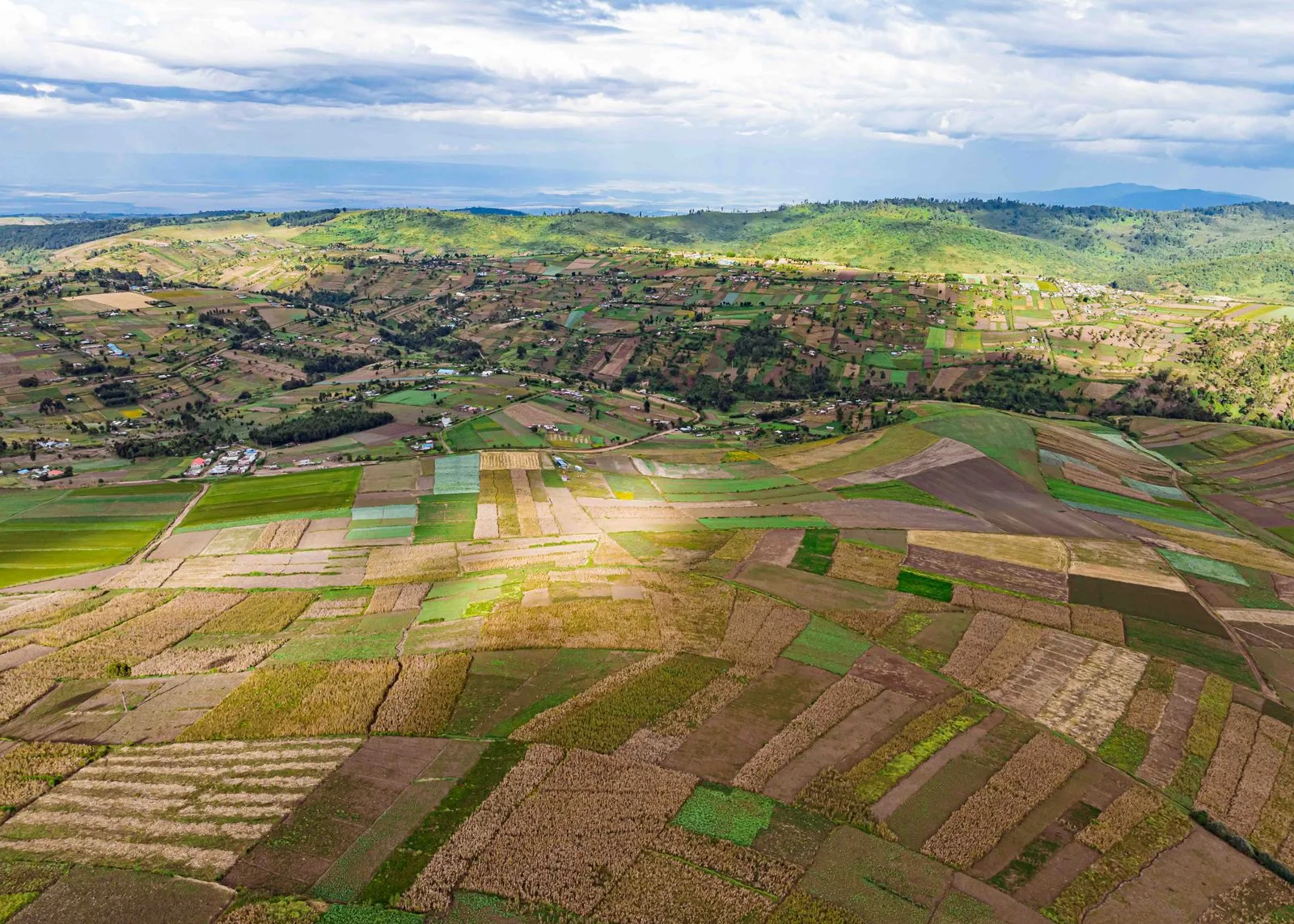
Combine drone imagery, sensor readings and weather into a view of each plot, with alerts when something drifts.
Send practical, local-language guidance to the phone, based on the plot and the week rather than a generic bulletin.
Link harvest, storage, transport and buyer demand so produce moves while it is fresh and prices are fair.
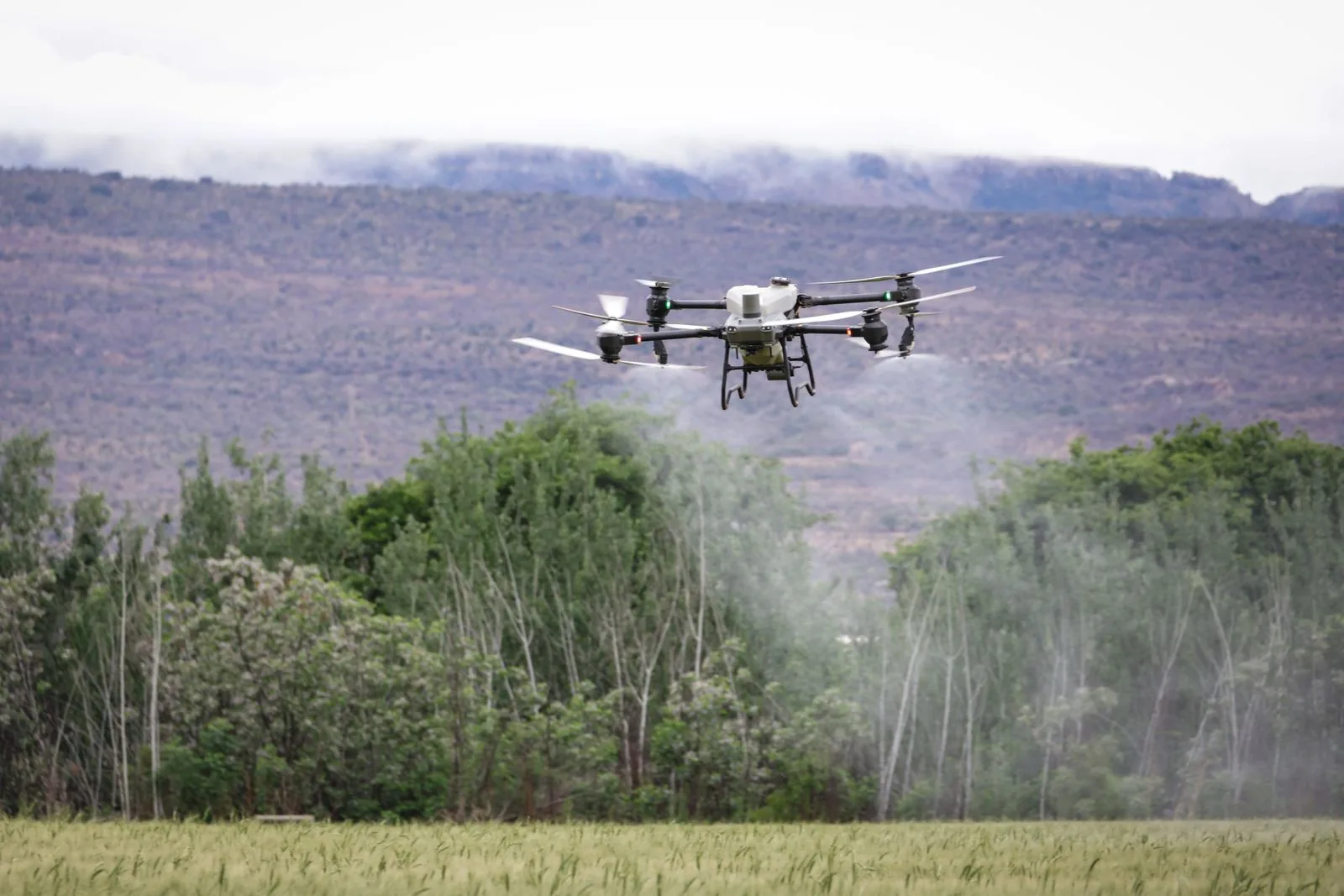
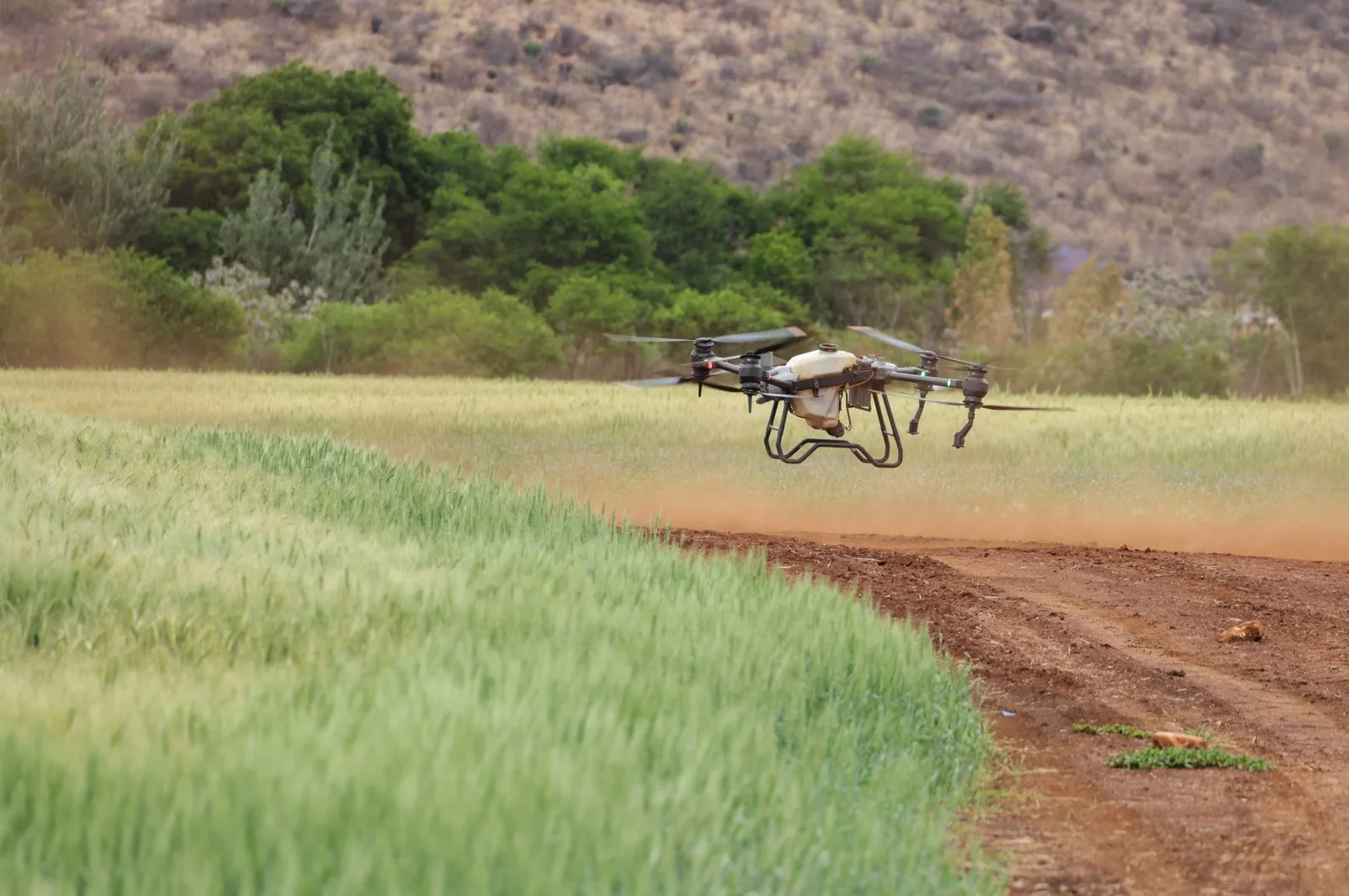
Drones survey large plots in minutes and can spray precisely where it is needed, which reduces chemical use and labour.
The flight is the easy part. We connect the imagery to field records so that a finding becomes an action with an owner.
Free 30 minutes with an engineer.
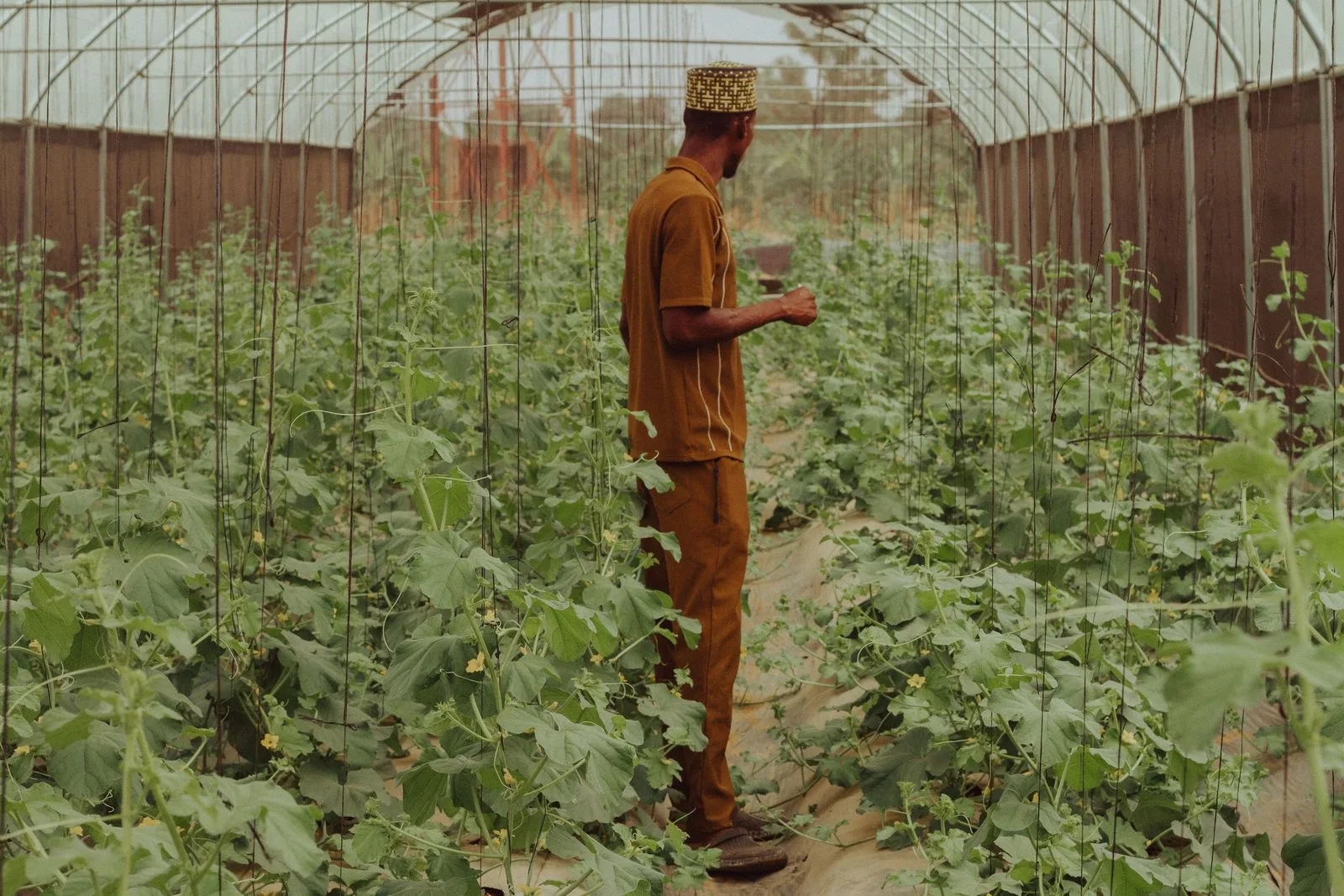
Greenhouses and tunnels let growers control water, nutrients and climate. Sensors and simple automation keep conditions steady and flag problems early.
Smaller operations can start with a few sensors and grow into full control as the numbers justify it.
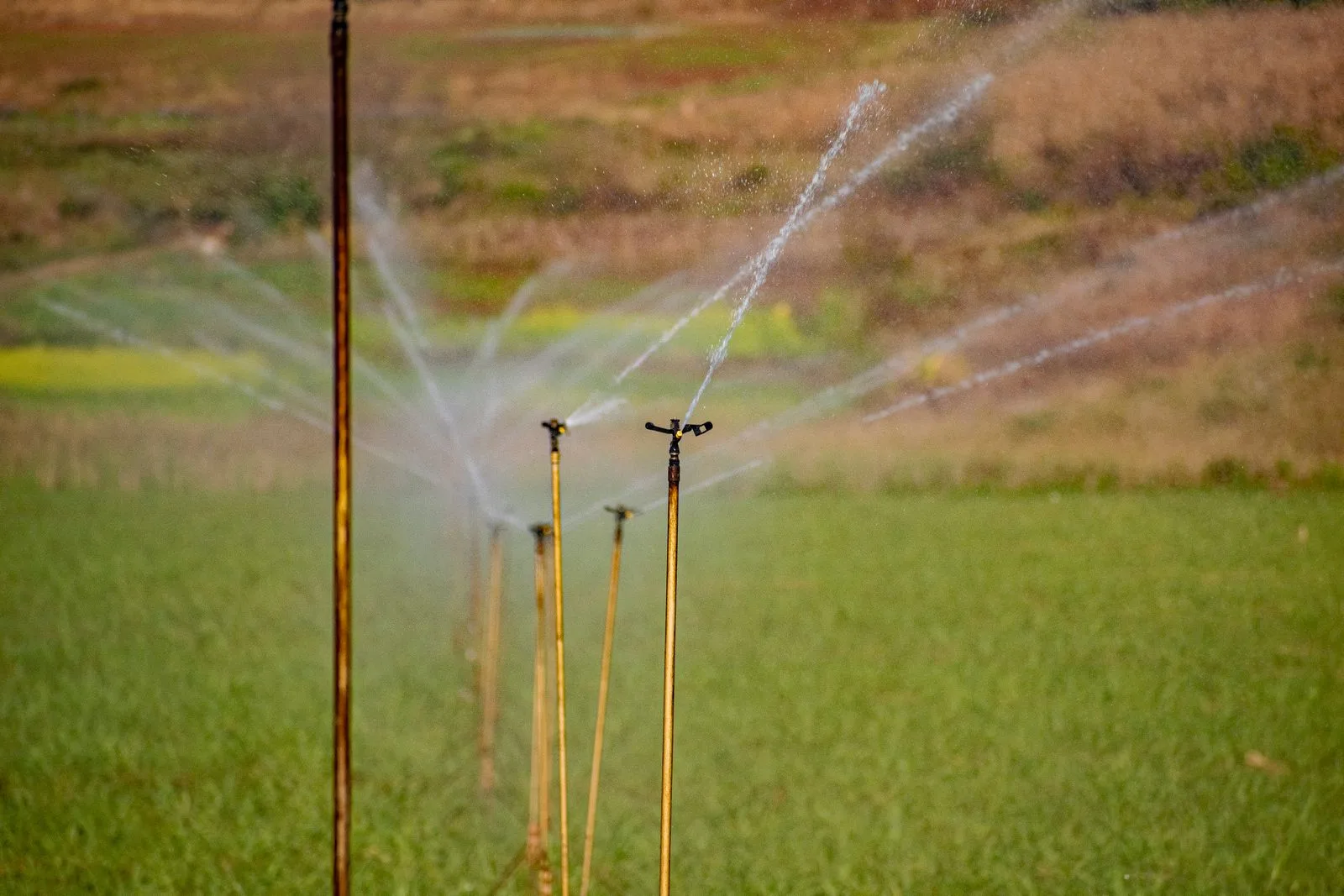
Water is the scarcest input in many regions. Measuring soil moisture and scheduling irrigation against the forecast cuts waste and protects yield.
Experience you can lean on
Immersed in technology and across many different verticals, so the people on your project have done this before.

Tell us the problem. An engineer, not a salesperson, answers.
Sensors, drones, phones and shared data are helping growers decide when to plant, water, spray and sell.