




Skip to content

Industries

Retail and commerce

Give informal merchants, distributors and marketplaces a shared view of stock, sales, payments and demand, so they can restock sooner, get credit and serve customers better.

Starting ontology for merchants, products, orders and payments
Sector pack
Starting ontology for merchants, products, orders and payments
Typical sources: point of sale, mobile money, distributor and marketplace data
POS + wallets
Typical sources: point of sale, mobile money, distributor and marketplace data
Regulators in scope: data protection, payments and consumer rules
Consumer + payments
Regulators in scope: data protection, payments and consumer rules
Channels: WhatsApp, USSD, SMS, POS and marketplace apps
WhatsApp first
Channels: WhatsApp, USSD, SMS, POS and marketplace apps

01How the work happens today

The challenge

A busy open-air market with shoppers and traders

Much of African retail is informal. Shop owners and market traders keep records in notebooks or on phones. They buy from wholesalers and distributors on credit or for cash, often with a salesperson visiting. Customers pay by cash, mobile money and increasingly by card or QR. Formal retailers and marketplaces run POS and e-commerce systems, but their data stops at their own shelf or app. Fast moving goods companies depend on distributors for visibility into what sells.

Because stock and sales are not recorded in a shared way, merchants run out of popular items or hold dead stock. Distributors cannot see which outlets will reorder. Lenders have no sales history for a trader who is perfectly creditworthy. Brands guess demand by region from shipments, not from sales. Payment records exist at the wallet or bank but are not tied to what was sold. Price shocks from currency swings and supply disruption reach shelves before anyone plans for them.

02A starting model for the sector

The ontology

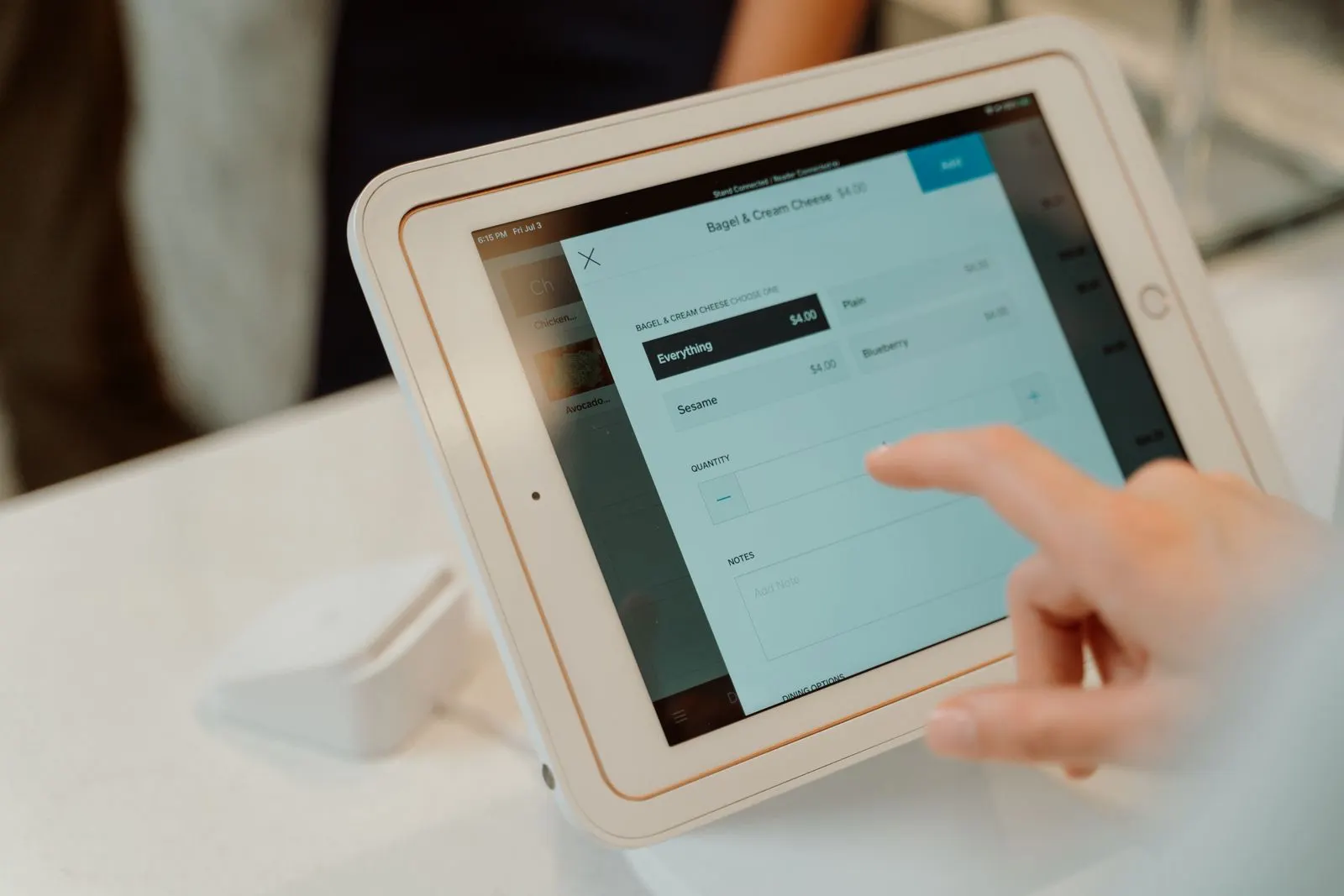
A customer using a tablet point of sale
A courier holding a parcel and smiling

13 core things

Objects

The nouns of the sector. Each object has an identity, properties and a history, and maps to records in the source systems.

  • Merchant
  • Outlet
  • Product
  • SKU
  • Stock level
  • Order
  • Sale
  • Payment
  • Customer
  • Distributor
  • Supplier
  • Promotion
  • Credit line
A shop assistant with a tablet among clothing racks

8 core relationships

Links

How the objects connect. Links turn separate tables into a graph that people and agents can walk.

  • Merchant operates Outlets
  • Outlet stocks Products at a Stock level
  • Sale reduces Stock level and generates Payment
  • Order is placed with Distributor or Supplier
  • Distributor supplies Outlets
  • Customer makes Sales and Payments
  • Promotion applies to Products and Outlets
  • Credit line finances Orders for Merchant
A market stall piled with fruit

6 governed actions

Actions

What people and approved agents may do. Each action has rules, an approver where needed and a log entry.

  • Suggest a restock order
  • Place an order with a distributor
  • Offer or adjust a credit line
  • Send a customer message or offer
  • Adjust a price or promotion
  • Reconcile payments to sales

03What changes on the ground

Use cases

A person at a laptop beside parcels ready to ship
01

Situation

A shop owner buys from a wholesale market once a week and runs out of fast sellers before the next trip. Notes on paper show only what was bought.

02

What it does

Sales captured by a simple app, POS or wallet records update stock estimates. The system suggests a restock list and sends it by WhatsApp, ready to forward to a distributor.

03

Human decides

The merchant decides what to buy and how much. Corrections to the stock estimate improve future suggestions.

04Sources to connect

Data you already have

A worker packing parcels in a stockroom

We read from your existing systems first and write back only through approved actions. Every source has a named owner. Where connectivity is weak or records are on paper, we plan for queued sync and OCR with human review.

  • Point of sale and e-commerce platforms
  • Mobile money, card and QR payment records
  • Distributor and wholesaler order systems
  • Sales rep visit apps and route logs
  • Marketplace listings, orders and support tickets
  • Supplier and brand shipment data
  • Merchant notebooks and photos of stock, through OCR where useful
  • WhatsApp business conversations

See how this applies to your organization.

Free 30 minutes with an engineer.

05Laws that shape the design

Compliance and residency

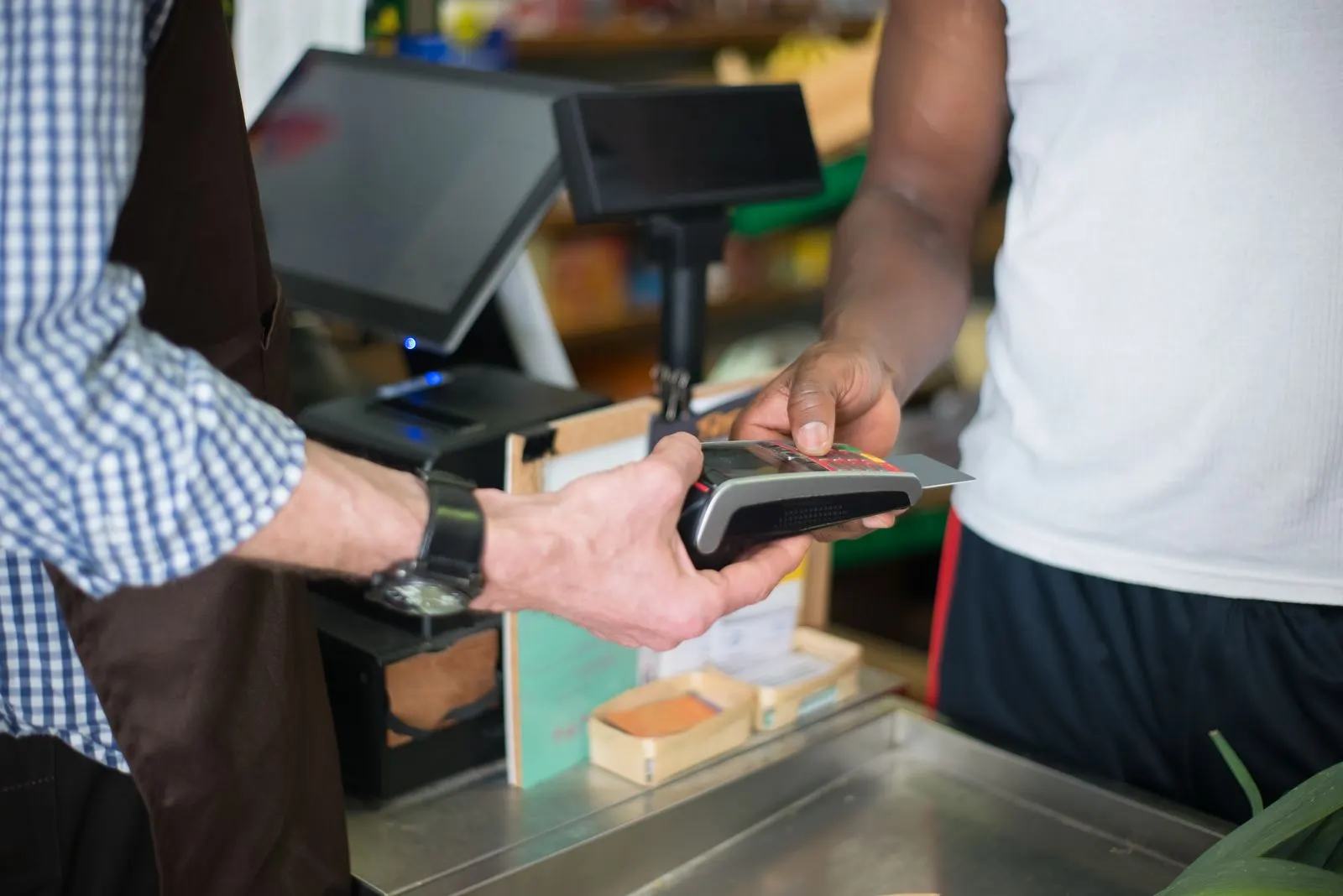
A customer paying by card at a counter
CountryLawWhat it means
NigeriaNDPA 2023Customer and merchant data need a lawful basis, and marketing messages require consent handling.
KenyaData Protection Act 2019Rules on direct marketing, profiling and data sharing with lenders apply.
South AfricaPOPIADirect marketing and credit related processing have specific conditions.
GhanaData Protection Act 2012Controllers follow principles on purpose limitation and security for shopper and merchant data.
EgyptPersonal Data Protection Law 2020Consent and cross-border transfer rules can affect marketplace platforms.

Payments licensing, consumer protection, tax and e-commerce rules vary by country. These examples are not legal advice. Confirm with counsel before sharing merchant data with lenders or brands. Examples only, not legal advice. Confirm with counsel.

07

Frequently asked questions

  • Yes. A simple phone app, USSD, WhatsApp or a wallet record can be the starting source.

Experience you can lean on

Our team of consultants and experts brings a combined 35 years of industry experience.

Immersed in technology and across many different verticals, so the people on your project have done this before.

Retail and commerce

Working in retail and commerce?

Tell us the problem. An engineer, not a salesperson, answers.

  • Free 30 minute briefing
  • Embedded engineers, working on your real systems
Know every customer

Working in retail and commerce?

Give informal merchants, distributors and marketplaces a shared view of stock, sales, payments and demand, so they can restock sooner, get credit and serve customers better.