Skip to content

Boltcliq product / The private data and cloud platform

/ Runtime Plane

Argus

Where your agents run and where their data lives, inside your boundary. Argus is a private data and cloud platform for building and deploying agentic systems, on Postgres and AWS first and portable by design.

deployment modes: your AWS account, Boltcliq-managed single tenant, portable infrastructure
Three
deployment modes: your AWS account, Boltcliq-managed single tenant, portable infrastructure
sandboxes designed with no default network egress and per-task lifetimes
Isolated
sandboxes designed with no default network egress and per-task lifetimes
agent desktop sessions recorded for review
Replayable
agent desktop sessions recorded for review
Postgres, Kubernetes and Terraform, to avoid lock-in
Standard
Postgres, Kubernetes and Terraform, to avoid lock-in

Run the agents where your data is, not the other way round.

01Runtime plane

Overview

Agents need somewhere to run. They execute code, open browsers, call tools and store what they learn. If that happens on a developer laptop or in a shared cloud account with the rest of the company, a single mistake can reach far. And for banks, health systems and governments, where the data lives is a legal question as well as a technical one.

Argus is the runtime and the data platform for the Boltcliq stack. It packages, versions, deploys and scales agents and workflows. It runs their code and tools in isolated sandboxes, and gives computer-use agents managed virtual desktops that are recorded and can be replayed. It hosts the context and memory that Monolith governs, on Postgres as the system of record, with object storage and backups.

Argus is designed to run inside your boundary. The first target is your own AWS account, or a Boltcliq-managed single tenant if you prefer not to operate it. It is built on Kubernetes, Terraform and standard Postgres, so it can also run in local data centers and on premises. AWS is first for speed. It is not a lock. Where a customer needs in-country hosting, the design intent is a tested path there, and AWS's African footprint is checked per customer.

02

Argus in one picture

Where your agents run and where their data lives, inside your boundary. Argus is a private data and cloud platform for building and deploying agentic systems, on Postgres and AWS first and portable by design.

  • A place to deploy, scale and roll back agents and workflows.
  • Sandboxes and recorded desktops that keep the blast radius of a mistake small.
  • Postgres-backed data and memory in the jurisdiction you choose.
argus
Schematic of Argus. Illustrative, not a product screenshot.

03In five steps

How it works

  1. human

    Package the agent or workflow

    An agent or a Zeus workflow is packaged as a versioned release with its resources and environment settings. The release is promoted from development to staging to production. Earlier versions are kept, so you can roll back.

    Release v1.3 of the reconciliation agent to staging.

  2. argus

    Deploy inside your boundary

    Choose where it runs: your own AWS account, a Boltcliq-managed single tenant, or portable infrastructure such as a local data center. The same packaging works in each.

    Run in your Cape Town region account, or in a local data center when required.

  3. argus

    Run in isolation

    Code and tools execute in sandboxes with short lifetimes and no default network access. Agents that must use software with no API get a managed virtual desktop. Credentials are brokered through Odin, never typed or stored by the agent.

    The agent fills a supplier portal on a recorded desktop; the password is brokered.

  4. argus

    Keep the data

    Postgres is the system of record, with pgvector for embeddings, object storage for files, backups and point-in-time recovery. Argus hosts the vector, relational and object storage that Monolith uses for memory. Data stays where the deployment mode puts it.

    Restore a database to ten minutes before a bad import.

  5. cyclopes

    Scale, watch and attribute cost

    Quotas, isolation and cost attribution apply per customer, environment, team and agent. Runtime telemetry and session recordings go to Cyclopes. If an evaluation shows a regression, you roll the release back.

    Roll back to v1.2 after an evaluation regression.

04What Argus does

Capabilities

Agent deployment

Package, version, deploy, scale and roll back agents and workflows. Releases move through environments with review. The same mechanism runs Zeus workflows and the agents that Monolith governs.

  • Versioned releases
  • Promotion across environments
  • Scale and rollback

Agents change often. Deployment has to make change safe and reversible.

Sandboxes

Isolated environments where code and tools run. The design target is microVM-class isolation, no default network egress and a lifetime tied to the task. If a sandboxed agent is tricked or wrong, the damage is limited to a small, short-lived space.

  • Isolation target: microVM-class
  • No default network egress
  • Per-task lifetime and resource limits

Sandboxes and desktops are the highest-risk surface in the platform, so they get their own threat model.

Virtual desktops for agents

Managed desktop and browser machines for agents that must work in software with no API, such as a supplier portal or a government site. Sessions are recorded and can be replayed. Credentials come from Odin and are never held by the agent.

  • Managed desktop and browser sessions
  • Recording and replay
  • Credential brokering through Odin

Much of African business software has no API, and people already work in it by hand.

Context and memory hosting

Relational, vector and object storage for the context and memory that Monolith governs. Argus hosts it, and Monolith decides who may read it and what may be written. Memory inherits the residency of the deployment.

  • Relational, vector and object storage
  • Governed through Monolith
  • Inherits deployment residency

Memory is customer data. It should live where the rest of that data lives.

Postgres data platform

Postgres as the system of record, with pgvector, backups and point-in-time recovery. It holds the ontology early on, and anything that needs transactions.

  • Postgres with pgvector
  • Backups and point-in-time recovery
  • Analytical store for heavy workloads

Standard Postgres means standard skills, and no lock-in.

Tenancy and isolation

Per-customer and per-environment isolation, with quotas and cost attribution. A development agent cannot touch production data. Cost can be attributed per team and agent, which supports usage-based pricing. The pricing model is not yet fixed.

  • Customer and environment isolation
  • Quotas
  • Cost attribution per team and agent

AI spending can grow quickly, and in dollars. It needs to be visible and capped.

Environments and promotion

Development, staging and production environments for agents, workflows and data schemas. Promotion is reviewed. The environments share the same packaging, so what you tested is what you run.

  • Dev, staging, production
  • Reviewed promotion
  • Same packaging in each

It stops experiments from reaching customers by accident.

Deployment modes

Your own AWS account (a VPC), a Boltcliq-managed single tenant, or portable infrastructure, using Kubernetes, Terraform and standard Postgres. A path to African data centers and to on-premises is part of the design. Which modes are generally available is stated honestly at each release.

  • Customer-owned AWS account
  • Boltcliq-managed single tenant
  • Portable: local data center and on premises

Sovereignty needs a real answer to where the data sits. Our target is for the answer to be testable.

05

AWS first, portable by design

Boltcliq wants to run where customers need us to. That includes your own AWS account, and also local data centers and on-premises infrastructure when a regulator or a contract requires it. The technical rule that makes this possible is simple: use the cloud for capacity, but build on standards.

Argus uses Kubernetes for packaging, Terraform for infrastructure and standard Postgres for data. We use AWS to move fast. We avoid services that exist only on AWS, so that the same platform can be installed elsewhere. This is a design rule and a goal. The move to a given local data center is verified with the customer and the partner, not assumed.

  • Kubernetes, Terraform and standard Postgres.
  • No dependence on AWS-only services where a standard exists.
  • Residency checked per customer and region.
  • A tested path, not a slogan.

See how this applies to your organization.

Free 30 minutes with an engineer.

06Sectors

Use cases across Africa

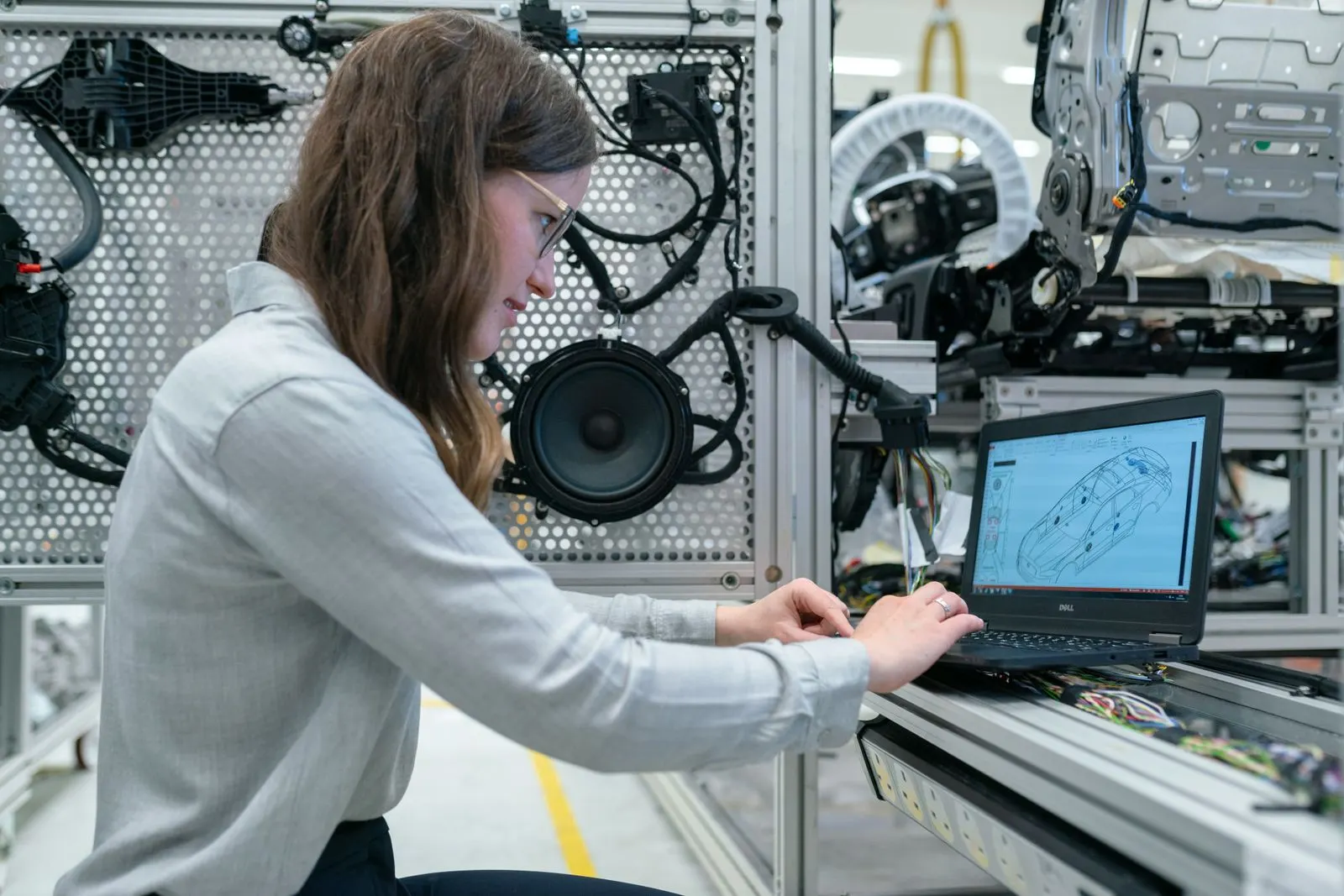
A woman using a laptop while working on equipment in a workshop
Isolation is a design choice: a small space, a short lifetime, a known way in and out.
01

Situation

A bank wants to run agents and a data platform, but the central bank requires certain customer data to stay in country. The bank also wants to avoid sharing a cloud account with other firms.

02

What it does

Argus runs in the bank's own AWS account, or on premises where the rule demands it. Postgres holds the system of record and agent memory in the chosen location. Sandboxes keep agent code inside the boundary.

03

Human decides

The bank's risk and legal teams decide where data may live. The platform team decides which agents are promoted to production.

08How you integrate

Interfaces

The lists describe target interfaces and are confirmed per release and per design partner. Nothing on this list is a claim that an integration with a named third party exists today.

  • Deployment API and CLI

    api

  • Terraform modules

    sdk

  • Kubernetes-based packaging

    protocol

  • Postgres wire protocol

    protocol · Standard Postgres, with pgvector.

  • S3-compatible object storage

    protocol

  • SDKs

    sdk

  • Workflow runtime for Zeus

    api · Internal API.

  • Memory hosting for Monolith

    api · Internal API.

  • Local data center and on-premises targets

    connector

  • Edge sync for intermittent links

    channel

09Trust

Security and sovereignty

A field engineer holding a laptop beside bundled network cables
Engineers deploy and operate Argus on site or in your cloud.

Highest-risk surface

Agent sandboxes and desktops get their own threat model: egress control, credential brokering through Odin, session recording and strict limits.

Residency you can test

AWS first, portable by design. The intent is that "your data never leaves your jurisdiction" is a tested feature, not a slogan.

Isolation and quotas

Per-customer and per-environment isolation, with resource and time limits for every sandbox.

Recorded sessions

Desktop sessions are recorded and sent to Cyclopes, so what an agent did can be replayed.

10

What Argus does and does not do

Does

  • Deploy, run, scale and roll back agents and workflows.
  • Isolate execution in sandboxes and desktops.
  • Store data and memory on Postgres and object storage.
  • Provide tenancy, quotas and cost attribution.
  • Run inside your AWS account, as managed single tenant, or on portable infrastructure.

Does not

  • Decide what agents may do. Monolith and Odin do.
  • Authenticate anyone. Odin does.
  • Define business meaning. Zeus does.
  • Guarantee African in-country hosting yet. AWS's African footprint is limited and is verified per customer.
  • Lock you in. Standard Postgres, Kubernetes and Terraform are the design rule.

11FAQ

Questions

  • No. AWS is the first target. Argus is designed to be portable to local data centers and on premises.

Experience you can lean on

Our team of consultants and experts brings a combined 35 years of industry experience.

Immersed in technology and across many different verticals, so the people on your project have done this before.

Argus

Interested in Argus?

Tell us the problem. An engineer, not a salesperson, answers.

  • Free 30 minute briefing
  • Embedded engineers, working on your real systems
Run agents privately

Interested in Argus?

Where your agents run and where their data lives, inside your boundary. Argus is a private data and cloud platform for building and deploying agentic systems, on Postgres and AWS first and portable by design.