

Data residency
Several African data protection laws limit where personal data may be stored or sent. Government and banking clients often require in-country hosting. We design so that residency can be enforced and tested, not promised.


AI for Africa
Our major focus is the continent: its industries, its institutions and its builders.
Experience you can lean on
Immersed in technology and across many different verticals, so the people on your project have done this before.

Conviction
01

Africa has the fastest-growing population in the world, large markets that remain underserved, and a generation of builders who started with mobile first. Many services that other regions built in layers over decades can be built here directly in their modern form.
That is the opening. Organizations that lay data, ontology and compute foundations now can leap past generations of legacy software. Banks can run decisioning on agents instead of on stacks of batch jobs. Health systems can connect facilities without first replacing every record. Governments can deliver services on sovereign platforms.
The risk is that the continent becomes a customer of intelligence built and hosted elsewhere, on data that leaves the country. Our work is to make the other outcome possible. We are building the data, ontology, compute and education layers, with local partners, so value and capability stay with the people who live here.
02

Most African organizations do not lack ideas for AI. They lack the layers beneath it: joined-up data, a shared model of the business, safe permissions, and capacity to run models at reasonable cost. A single tool does not fill that gap.
So we work across the stack. Forward deployed engineers embed with your team and build from data to agents. Our education programs grow the next team. The same company stays accountable from the first conversation to the running system.
03

Several African data protection laws limit where personal data may be stored or sent. Government and banking clients often require in-country hosting. We design so that residency can be enforced and tested, not promised.
Branches, clinics and farms lose their connection. Systems need queues, offline-first components and graceful degradation. We build edge and mobile pieces that keep working and sync when the link returns.
French, Arabic, Portuguese, Swahili, Hausa, Yoruba, Amharic and many others matter to customers and staff. Language affects agents, memory, search and interfaces. We treat multilingual support as a default, and we say where quality is still uneven.
Customers arrive through mobile money, USSD, SMS and WhatsApp as often as through apps. Workflows must start and finish on those channels. We integrate payment rails and treat messaging as a first-class way for humans to act.
Teams pay in local currency, and GPU capacity is scarce. We route work to smaller and local models when they are good enough, show cost per task, and plan inference with regional infrastructure partners.
The hardest part of an ontology is getting data in. Core banking systems, on-premises databases, spreadsheets, scanned forms and handwriting all exist. We plan for connectors and document recognition from day one.
04
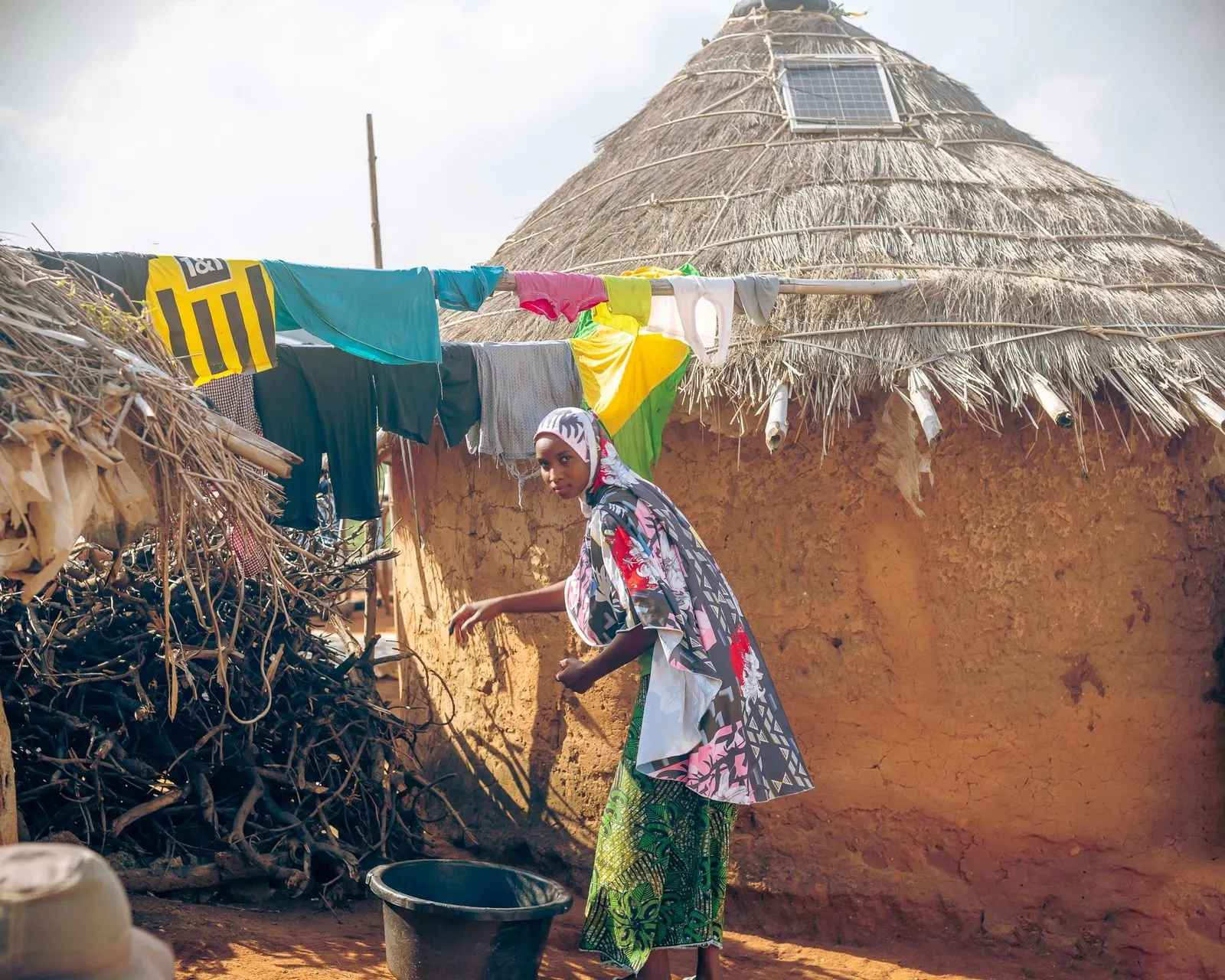
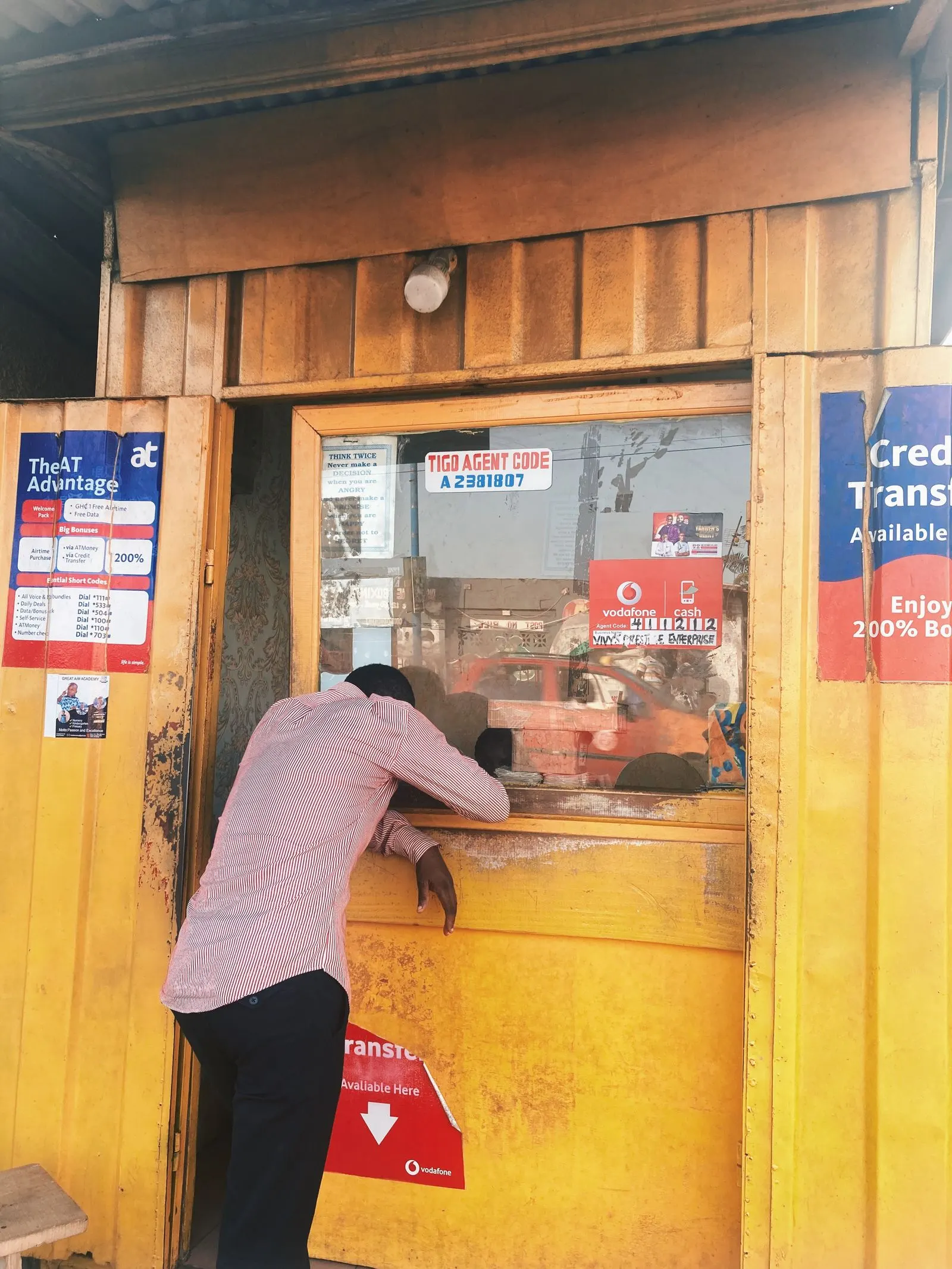
A system that only works in a browser leaves out most customers. In many markets people pay and ask for help through mobile money, USSD menus, SMS and WhatsApp. A loan reminder, a clinic appointment or a crop price query should reach them there.
We design workflows so that a human step can happen on any channel. The ontology decides what the step is. The channel is only how it arrives. That keeps the business logic in one place while the front door changes by country and by customer.

05

Available path
Argus runs in a virtual private cloud inside an account you own. You control the keys and the region. This is the fastest way to start and suits organizations with no strict in-country requirement. Regional availability should be checked against current AWS offerings for your market.
Available path
We operate a dedicated environment for you, isolated from other customers. It suits teams that want the platform without running it themselves. Residency options follow the regions and partners available at the time of scoping.
On premises
Because we build on Kubernetes, Terraform and standard Postgres, the same platform can run in a local data center or on your premises. We will tell you plainly what is ready and what is not.
Free 30 minutes with an engineer.
06
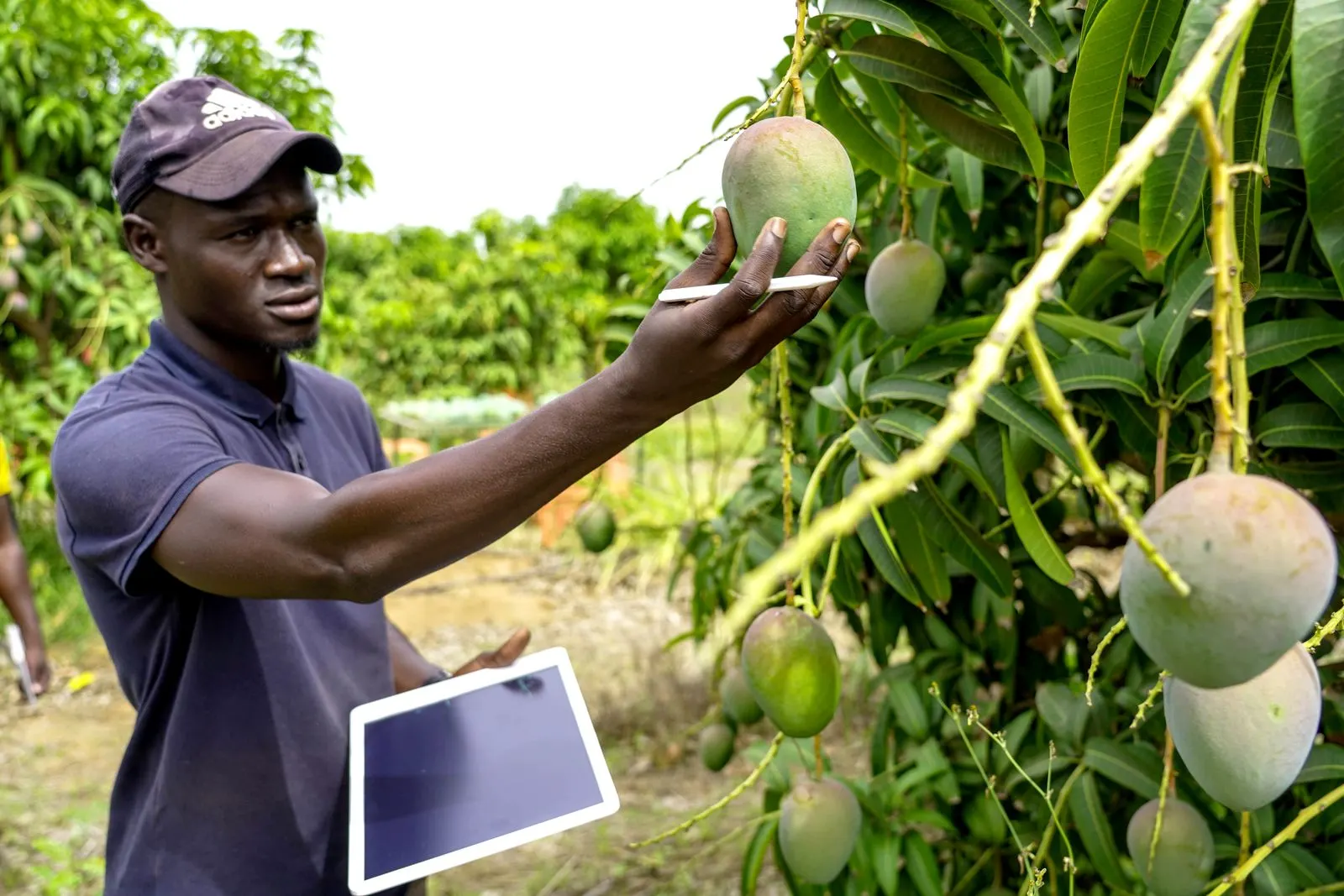
A small team cannot build global cloud capacity, and customers should not wait for it. AWS gives us reach and reliability today. But its African footprint is limited and still changing, and some customers will require hosting that never leaves their country. We check the current state of regions and local zones with each engagement.
So we keep Argus portable. We avoid hard dependencies on proprietary services where a standard component will do. We make “your data never leaves your jurisdiction” a tested behaviour with evidence you can read. And we work with local infrastructure partners so that the move, when it is needed, is an engineering task and not a rewrite.
07
| Country | Law | What it means |
|---|---|---|
| Nigeria | Nigeria Data Protection Act, 2023 | Sets lawful bases for processing and conditions for sending data abroad. We design for in-country hosting options and transfer assessments. |
| Kenya | Data Protection Act, 2019 | Includes duties on processors and rules on cross-border transfer. Some categories may need local processing, so we keep storage location configurable. |
| South Africa | Protection of Personal Information Act (POPIA) | Sets conditions for processing and for transfers outside the country. We build access controls, retention rules and audit trails to support accountability. |
| Ghana | Data Protection Act, 2012 | Requires registration and care in processing personal data. We keep records of processing and purpose limits visible to administrators. |
| Egypt | Personal Data Protection Law, 2020 | Places conditions on cross-border transfer, with licensing and executive regulations to follow. We plan for local hosting and verify current status for each case. |
| Rwanda | Law on the protection of personal data and privacy, 2021 | Contains rules on storing and transferring data outside the country. We design so that residency can be enforced by policy. |
These summaries are for orientation. They are not legal advice and they may be out of date. Sector regulators, such as central banks and health authorities, add their own rules. Verify the current position with qualified counsel for your country and sector.
08
Across these laws, the same engineering questions repeat. Where is the data stored? Who can reach it, and for what purpose? How long is it kept? Can it be erased on request? Can you show a regulator what happened?
Our products are shaped around those questions. Odin records who accessed what. Monolith applies policy by data class, purpose and region, and lets memory be forgotten. Argus places data where it must be. Cyclopes produces audit exports a regulator can read. None of this replaces legal review. It makes compliance something you can demonstrate.
09
Data center operators and GPU providers who can host inference and sensitive workloads in country. We bring architecture and software. This is an open invitation, not an announcement of deals.
Operators with reach, channels and network data. Telecoms can carry USSD, SMS and WhatsApp journeys and host edge compute close to users.
Institutions that train engineers and study local languages and problems. We want curricula, research and internships tied to real systems.
Ministries and agencies delivering services, collecting revenue and planning infrastructure. They need sovereign platforms and capable staff.
AI native startups that need founding engineering, a platform and a path to scale. We act as an embedded engineering partner.
Banks, health networks, agribusinesses, logistics firms and others who know their sector deeply. We bring the ontology and the engineers to build with them.
10

Our team of consultants and experts brings a combined 35 years of industry experience.
Immersed in technology and across many different verticals, so the people on your project have done this before.

AI for Africa
Tell us the problem. An engineer, not a salesperson, answers.
Our major focus is the continent: its industries, its institutions and its builders.