


Skip to content

Industries

Logistics and supply chain

Real-time visibility across ports, corridors, customs, fleets and warehouses, with one shipment record that carriers, forwarders, shippers and agencies can trust.

Starting ontology for shipments, containers, vehicles and border points
Sector pack
Starting ontology for shipments, containers, vehicles and border points
Typical sources: port, customs, fleet telematics, warehouse and ERP
TMS + customs
Typical sources: port, customs, fleet telematics, warehouse and ERP
Regulators in scope: customs, transport and data protection
Trade + DPA
Regulators in scope: customs, transport and data protection
Channels: WhatsApp, SMS, driver apps and control tower
WhatsApp + driver app
Channels: WhatsApp, SMS, driver apps and control tower

01How the work happens today

The challenge

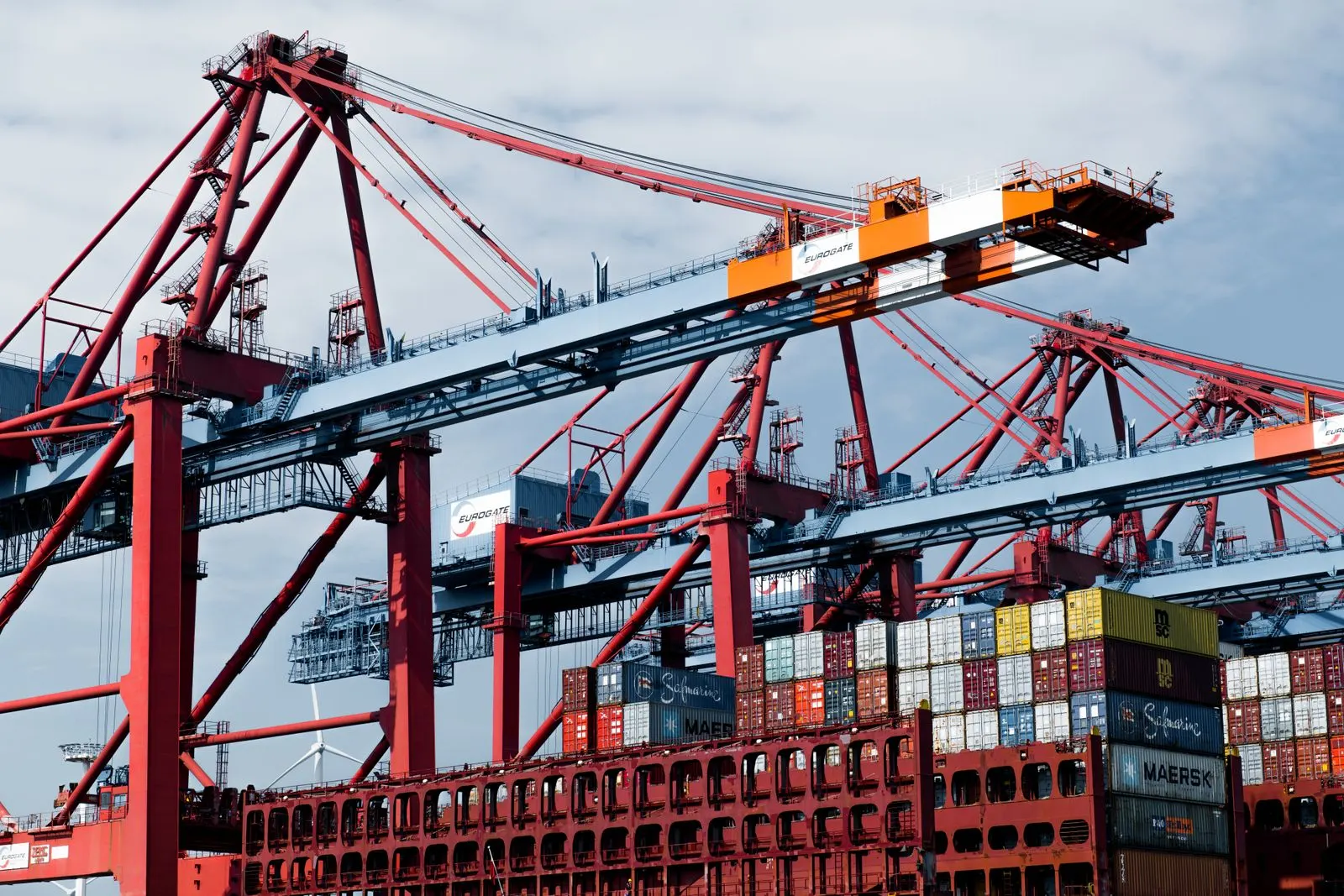
Container cranes loading a ship at a port

A single shipment across an African corridor touches many parties. A shipper books a forwarder. A shipping line brings a container to a port. Terminal operators, port authorities, customs and clearing agents each hold a piece of the record. Trucks leave with drivers who report by phone or WhatsApp. Border posts, weighbridges and inspection agencies add steps. Inland, warehouses and last mile couriers use their own tools. Many of these systems are closed, some are paper, and few share identifiers.

The result is delay and uncertainty. A container is cleared, but the trucker does not know. A truck waits at a border because a document was not matched. Fleets run half empty on the return leg. Warehouses cannot see inbound shipments until they arrive. Customers get status from phone calls. Costs from dwell time, demurrage and informal payments are hard to measure and harder to cut. When something goes wrong, nobody can reconstruct what happened.

02A starting model for the sector

The ontology

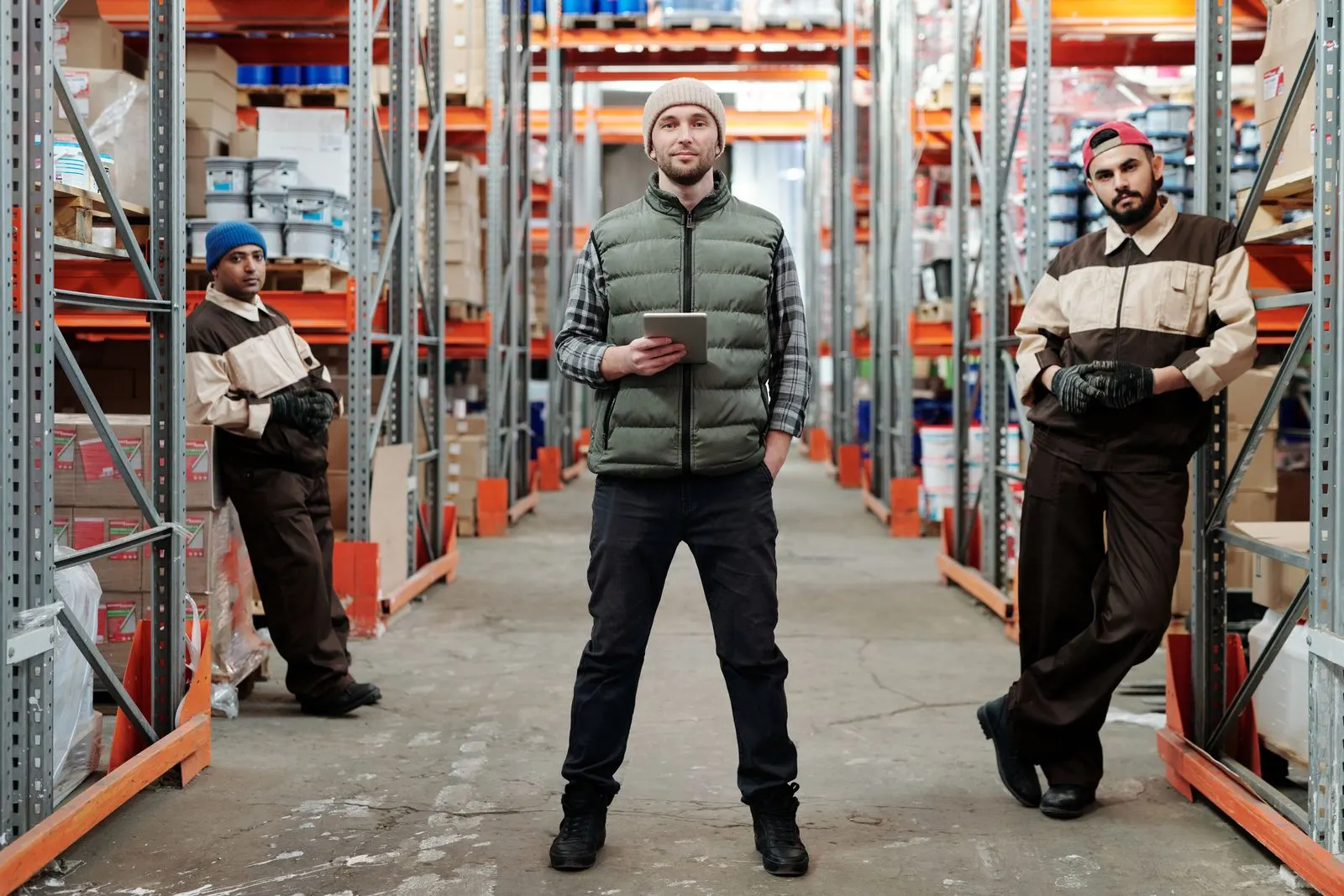
A warehouse manager standing in an aisle of racking
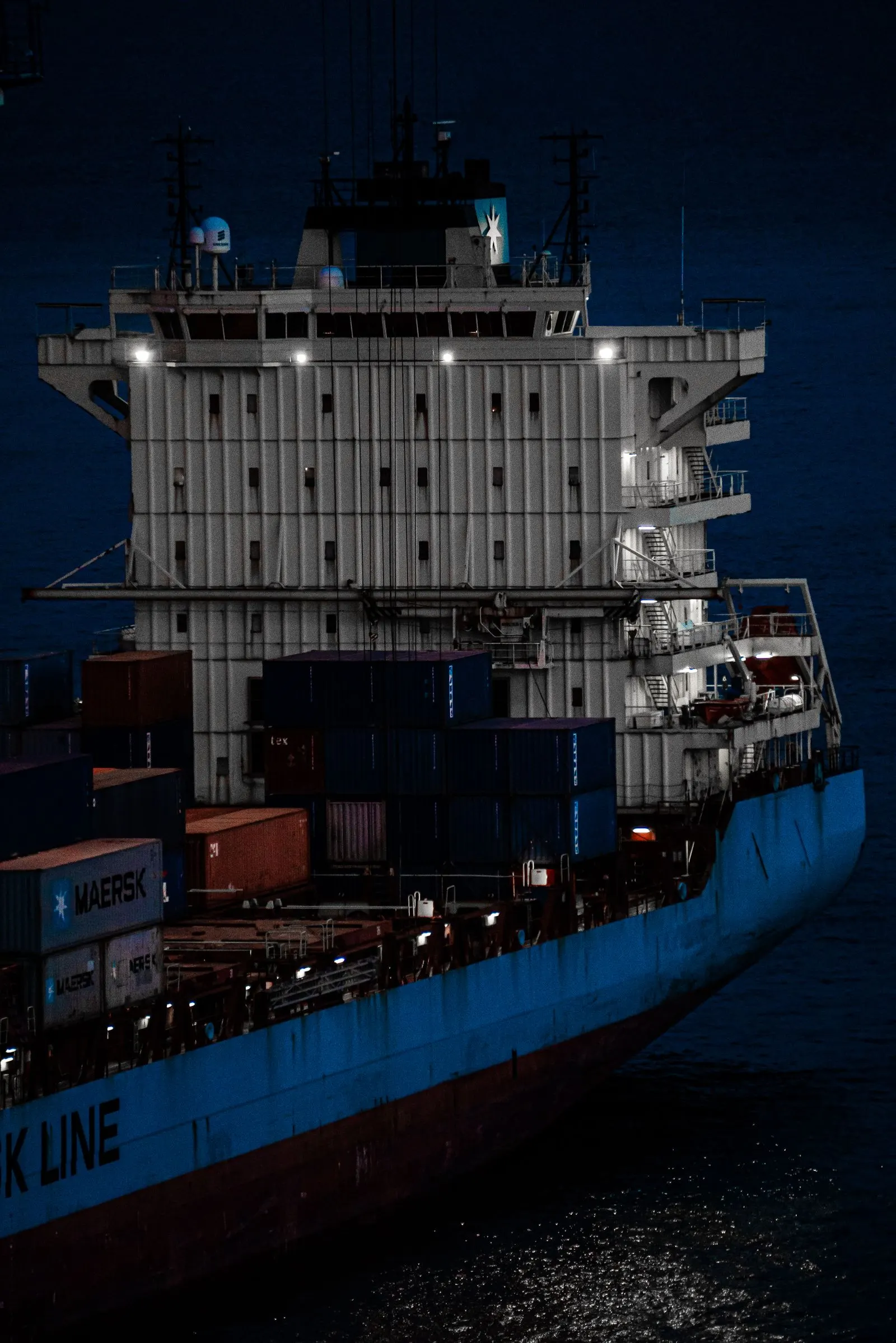
A container ship moored at a quay

13 core things

Objects

The nouns of the sector. Each object has an identity, properties and a history, and maps to records in the source systems.

  • Shipment
  • Container
  • Consignment
  • Vehicle
  • Driver
  • Route
  • Port call
  • Border crossing
  • Customs declaration
  • Warehouse
  • Order
  • Carrier
  • Exception
Cargo aircraft parked on an airport apron

8 core relationships

Links

How the objects connect. Links turn separate tables into a graph that people and agents can walk.

  • Shipment contains Consignments and Containers
  • Container arrives on a Port call
  • Vehicle carries Container on a Route
  • Driver operates Vehicle
  • Route passes through Border crossings
  • Customs declaration clears Consignment
  • Warehouse receives and dispatches Orders
  • Exception delays Shipment and links to cause
A small autonomous delivery robot at night

6 governed actions

Actions

What people and approved agents may do. Each action has rules, an approver where needed and a log entry.

  • Notify a consignee of an updated arrival time
  • Reroute a vehicle around a delay
  • Assign a load to a carrier
  • Escalate a customs hold
  • Book a warehouse slot
  • Open a claim for damage or loss

03What changes on the ground

Use cases

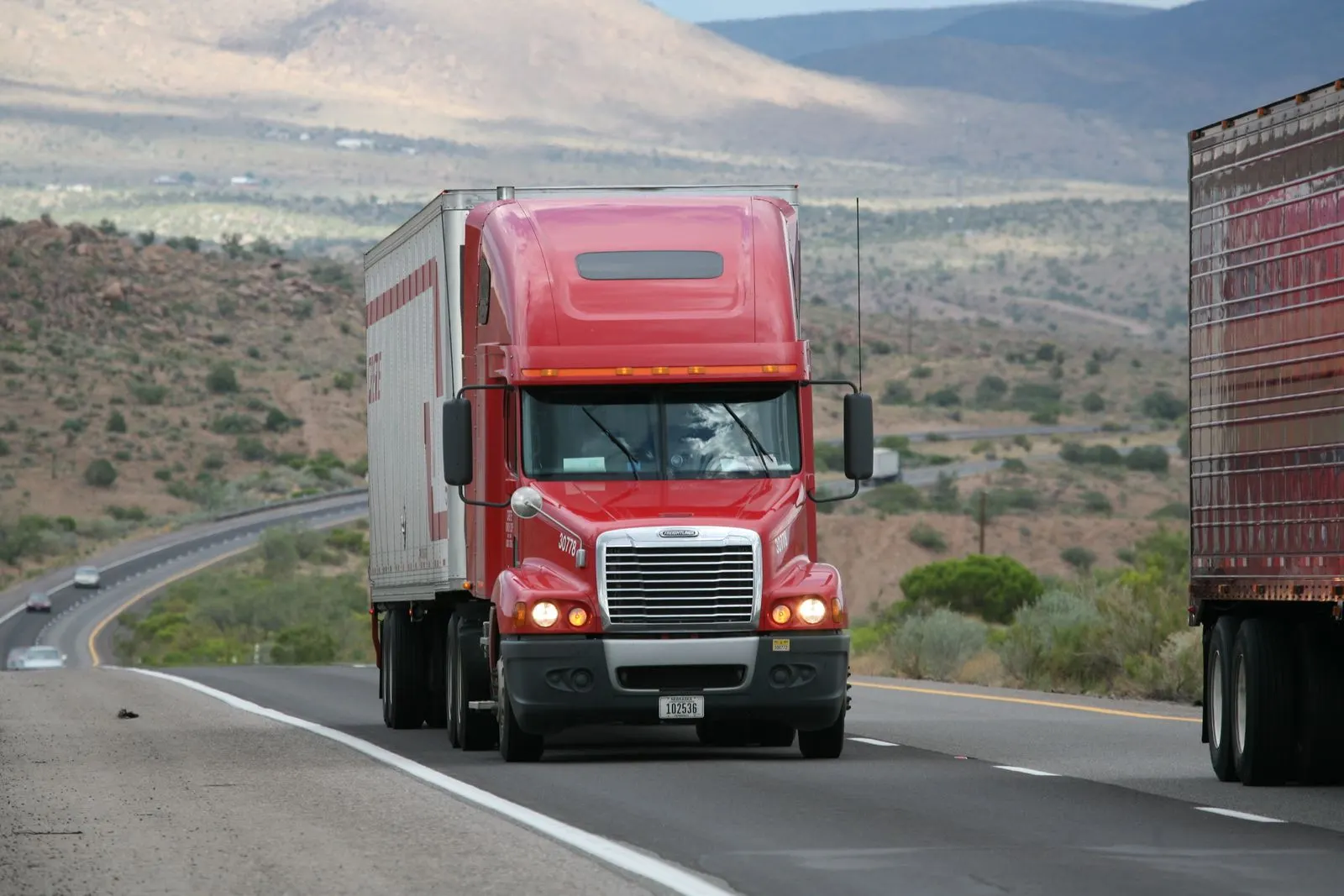
A red freight truck on a mountain road
01

Situation

Containers sit in a port for days after arrival. Importers, clearing agents and carriers each wait for another, and nobody sees the whole chain.

02

What it does

Port, customs, carrier and haulier events attach to the container. The system shows what is blocking release and who owns the next step, and nudges the owner by WhatsApp or email.

03

Human decides

Clearing agents and importers decide how to resolve holds. Authorities keep control of release decisions.

04Sources to connect

Data you already have

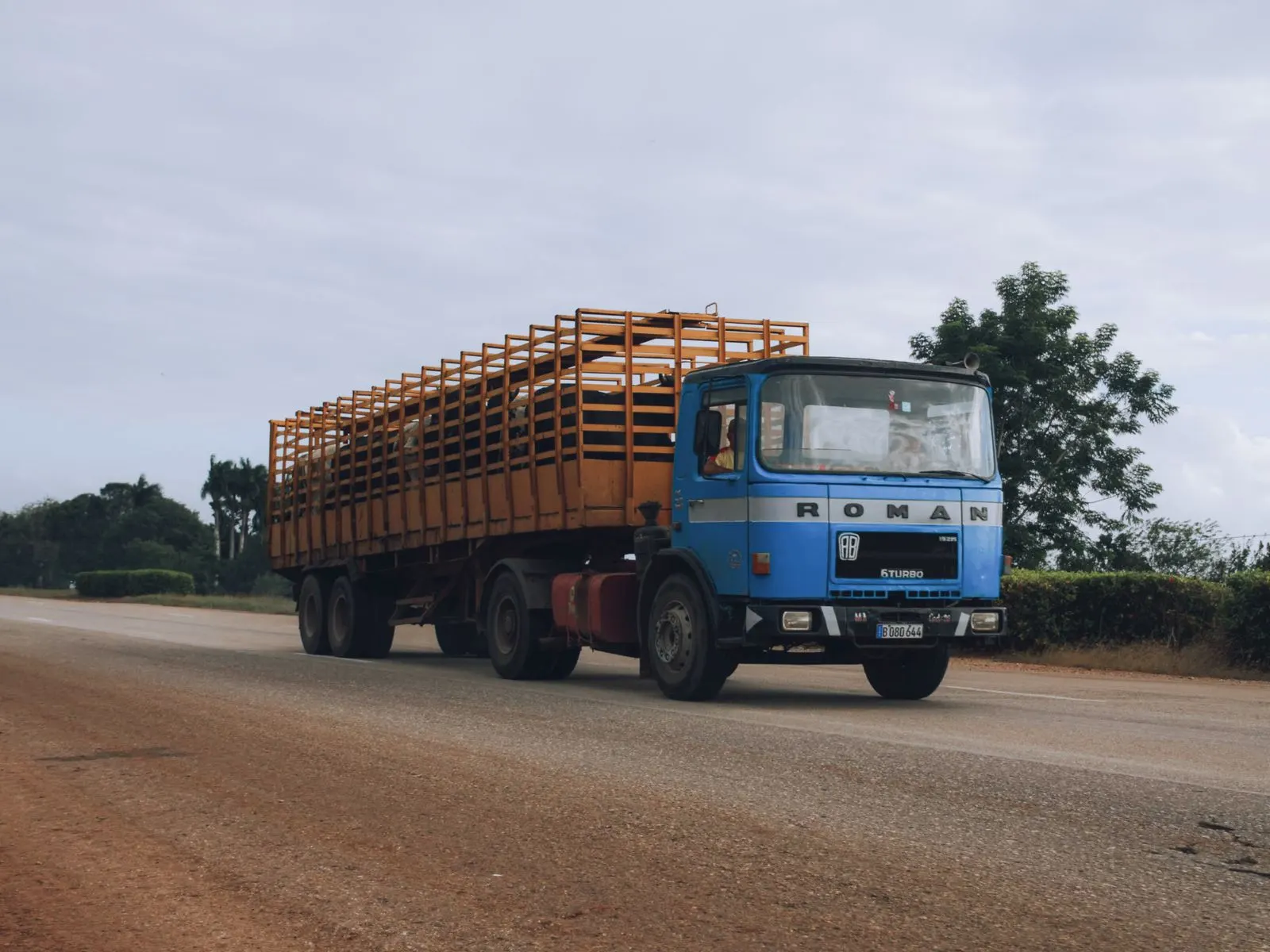
A blue lorry carrying cargo on a rural road

We read from your existing systems first and write back only through approved actions. Every source has a named owner. Where connectivity is weak or records are on paper, we plan for queued sync and OCR with human review.

  • Transport management and freight forwarding systems
  • Port community and terminal operating systems
  • Customs and single window platforms
  • Vehicle telematics and driver apps
  • Warehouse management and ERP systems
  • Weighbridge, border post and inspection records
  • Bills of lading, invoices and packing lists, scanned or PDF
  • WhatsApp and phone based driver and agent updates

See how this applies to your organization.

Free 30 minutes with an engineer.

05Laws that shape the design

Compliance and residency

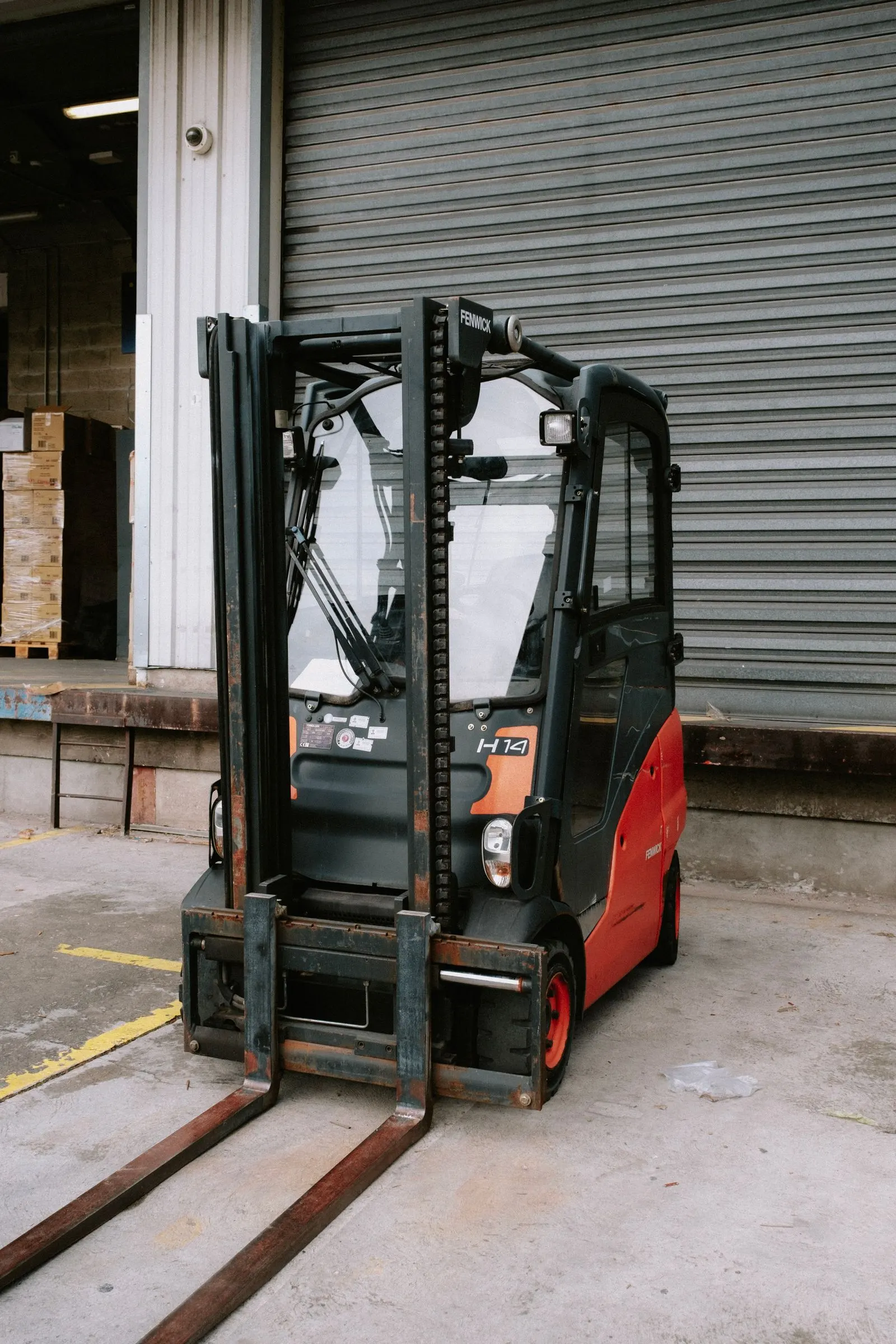
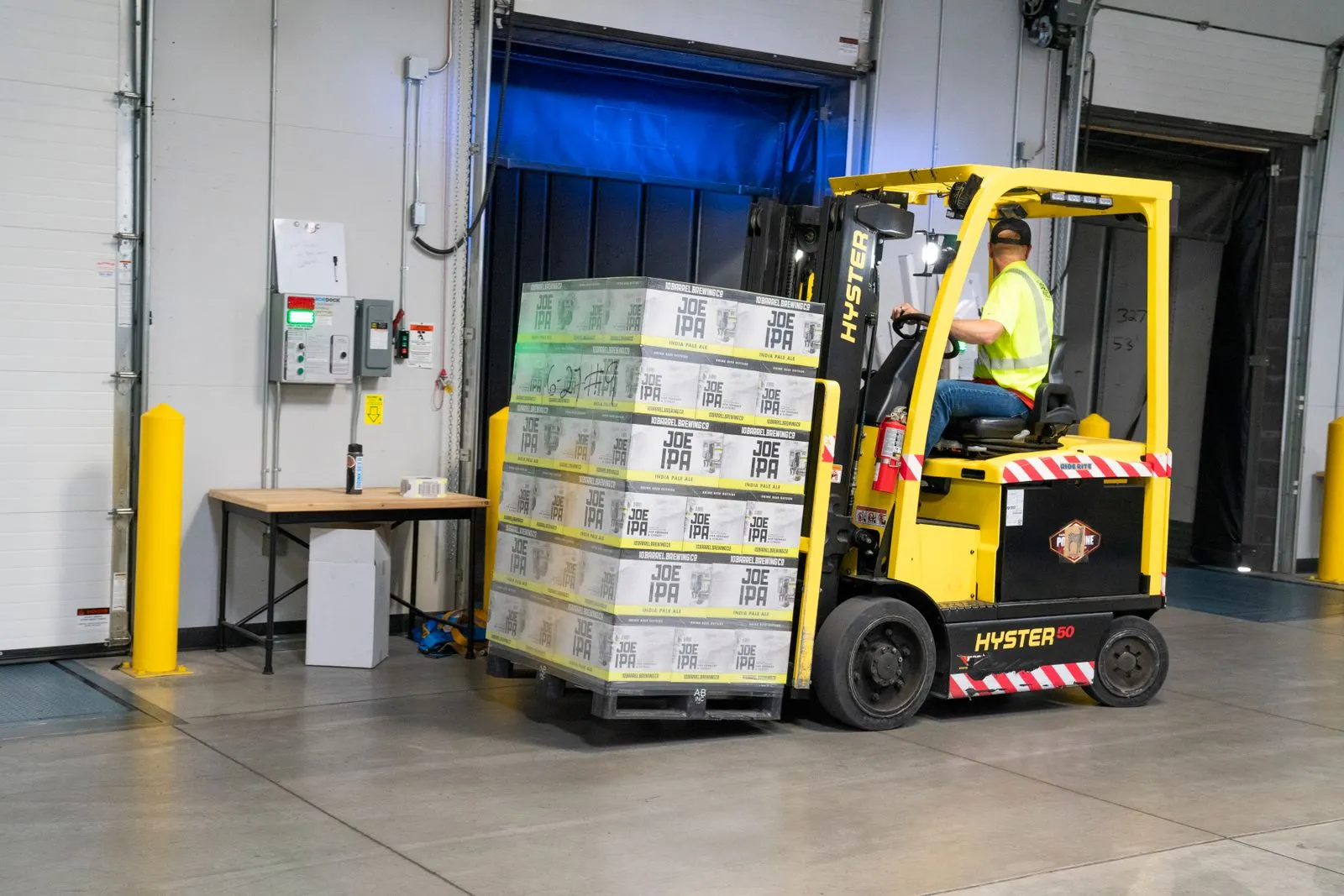
A blue forklift in a warehouse
CountryLawWhat it means
NigeriaNDPA 2023Driver, consignee and customer data are personal data, and tracking requires a defined purpose and safeguards.
KenyaData Protection Act 2019Location and identity data for drivers and consignees need a lawful basis and security measures.
South AfricaPOPIAVehicle and driver tracking involves personal information, with duties on notice and security.
RwandaLaw on Personal Data Protection 2021Transfers of shipment data containing personal data outside the country may have conditions.
Trade rulesCustoms and regional trade regimesRules for transit, declarations and data exchange differ by country and corridor.

Customs, transport licensing and regional trade agreements vary widely. These are examples only. Confirm with counsel and customs advisers for your corridors. Examples only, not legal advice. Confirm with counsel.

07

Frequently asked questions

  • No. We connect to existing systems and add a shared shipment model above them.

Experience you can lean on

Our team of consultants and experts brings a combined 35 years of industry experience.

Immersed in technology and across many different verticals, so the people on your project have done this before.

Logistics and supply chain

Working in logistics and supply chain?

Tell us the problem. An engineer, not a salesperson, answers.

  • Free 30 minute briefing
  • Embedded engineers, working on your real systems
Move smarter

Working in logistics and supply chain?

Real-time visibility across ports, corridors, customs, fleets and warehouses, with one shipment record that carriers, forwarders, shippers and agencies can trust.