



Skip to content

Industries

Agriculture and food

Trace crops and inputs from smallholder farms through cooperatives, processors and export, with the farm, finance and logistics data needed to plan, lend and prove origin.

Starting ontology for farms, plots, cooperatives and lots
Sector pack
Starting ontology for farms, plots, cooperatives and lots
Typical sources: farm surveys, cooperative ledgers, weighbridge, export files
Field to export
Typical sources: farm surveys, cooperative ledgers, weighbridge, export files
Regulators in scope: data protection, agriculture and export bodies
Traceability rules
Regulators in scope: data protection, agriculture and export bodies
Channels: SMS, USSD, WhatsApp and offline field apps
SMS + offline
Channels: SMS, USSD, WhatsApp and offline field apps

01How the work happens today

The challenge

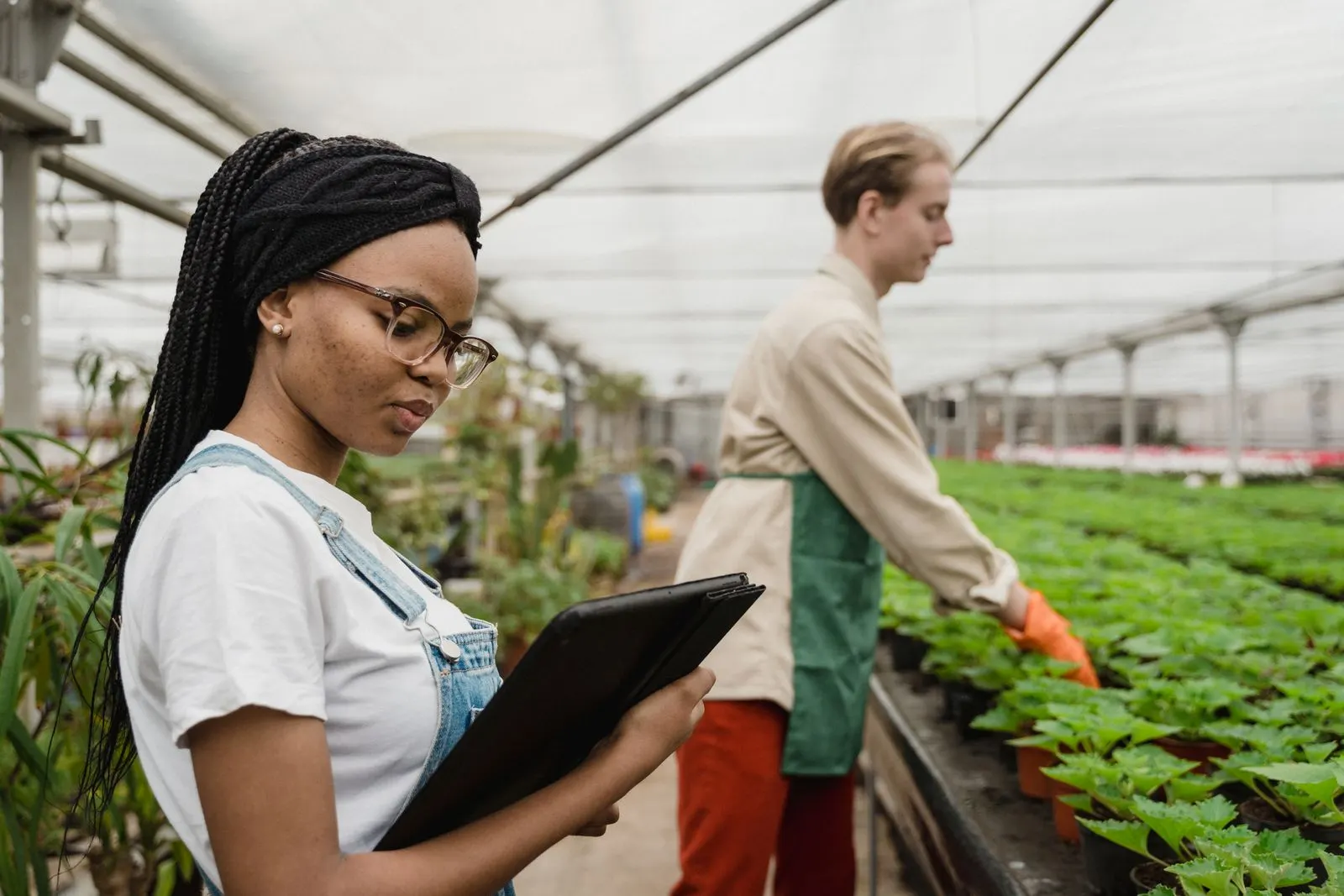
Two growers with a tablet in a greenhouse

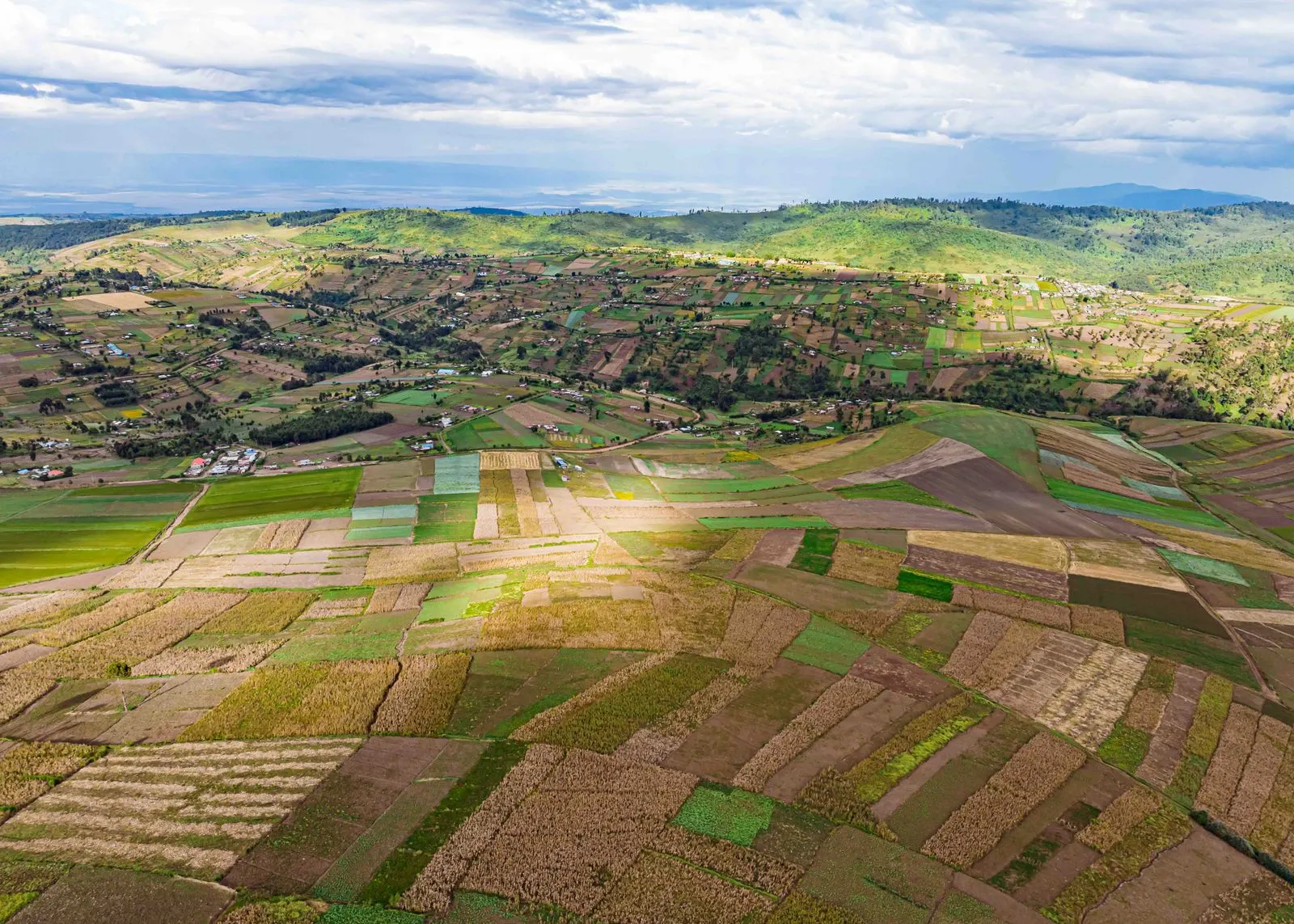
Agricultural value chains in Africa begin with millions of smallholders who often have no formal records. Farm details sit in cooperative notebooks, agent surveys and NGO programs, each with its own list of farmers. Inputs such as seed and fertilizer are sold through dealers or supplied on credit. Crops are weighed at collection points and moved by truck to aggregators, processors and ports. Export buyers now ask for proof of origin, deforestation checks and food safety records.

Without a shared farmer and plot record, lenders cannot judge risk, so smallholders pay more for credit or get none. Input loans are repaid in kind and lost in the paperwork. Cooperatives cannot show which lot came from which farms. Traceability for export is assembled by hand before each shipment. Weather and price signals reach farmers late or not at all. Each program that collects its own farmer list adds cost and drops the data when the project ends.

02A starting model for the sector

The ontology

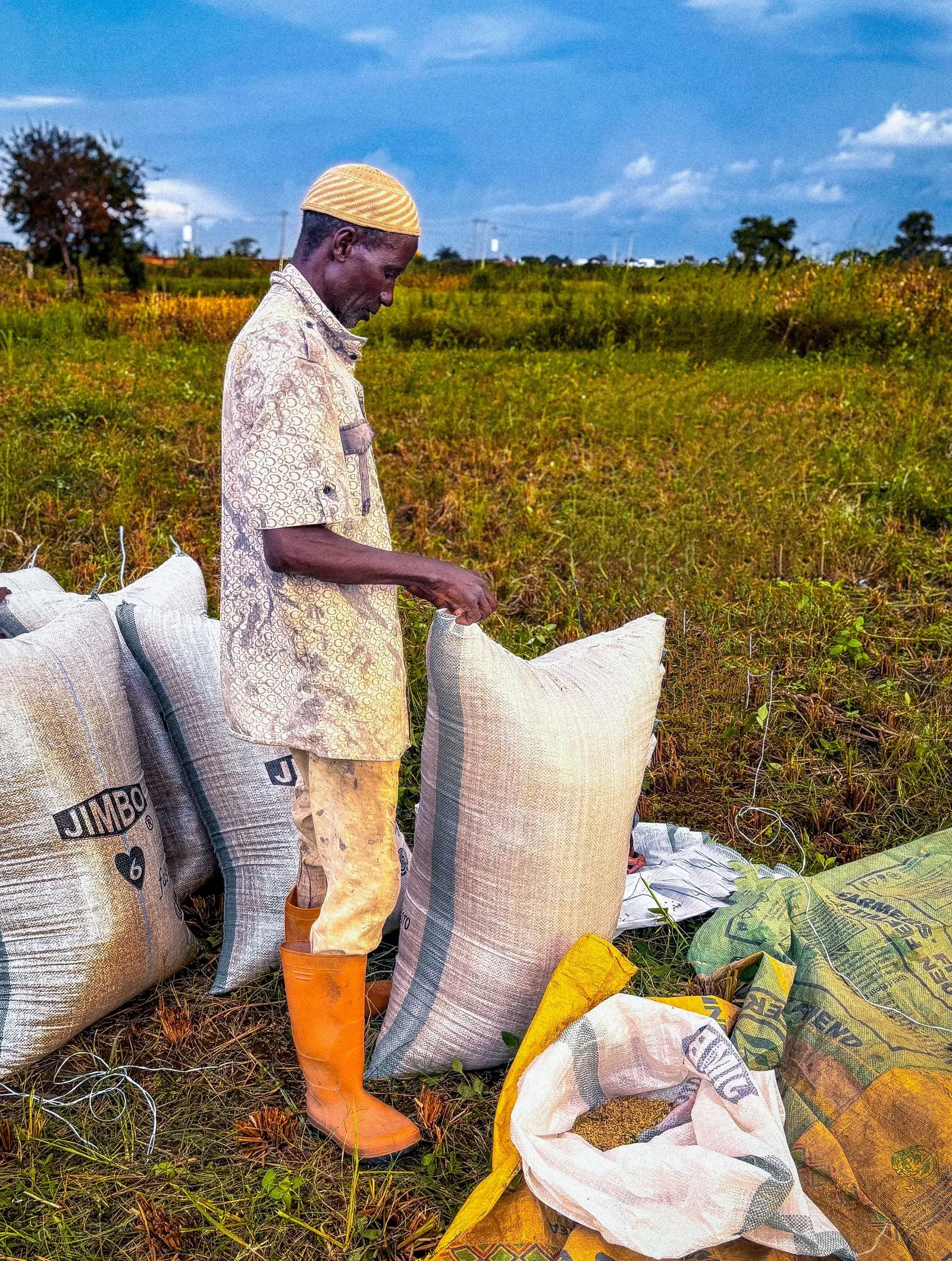
A farmer standing beside sacks of produce
A person checking crop data on a tablet

13 core things

Objects

The nouns of the sector. Each object has an identity, properties and a history, and maps to records in the source systems.

  • Farmer
  • Household
  • Cooperative
  • Plot
  • Crop season
  • Input
  • Input loan
  • Collection point
  • Lot
  • Shipment
  • Buyer
  • Certificate
  • Weather event
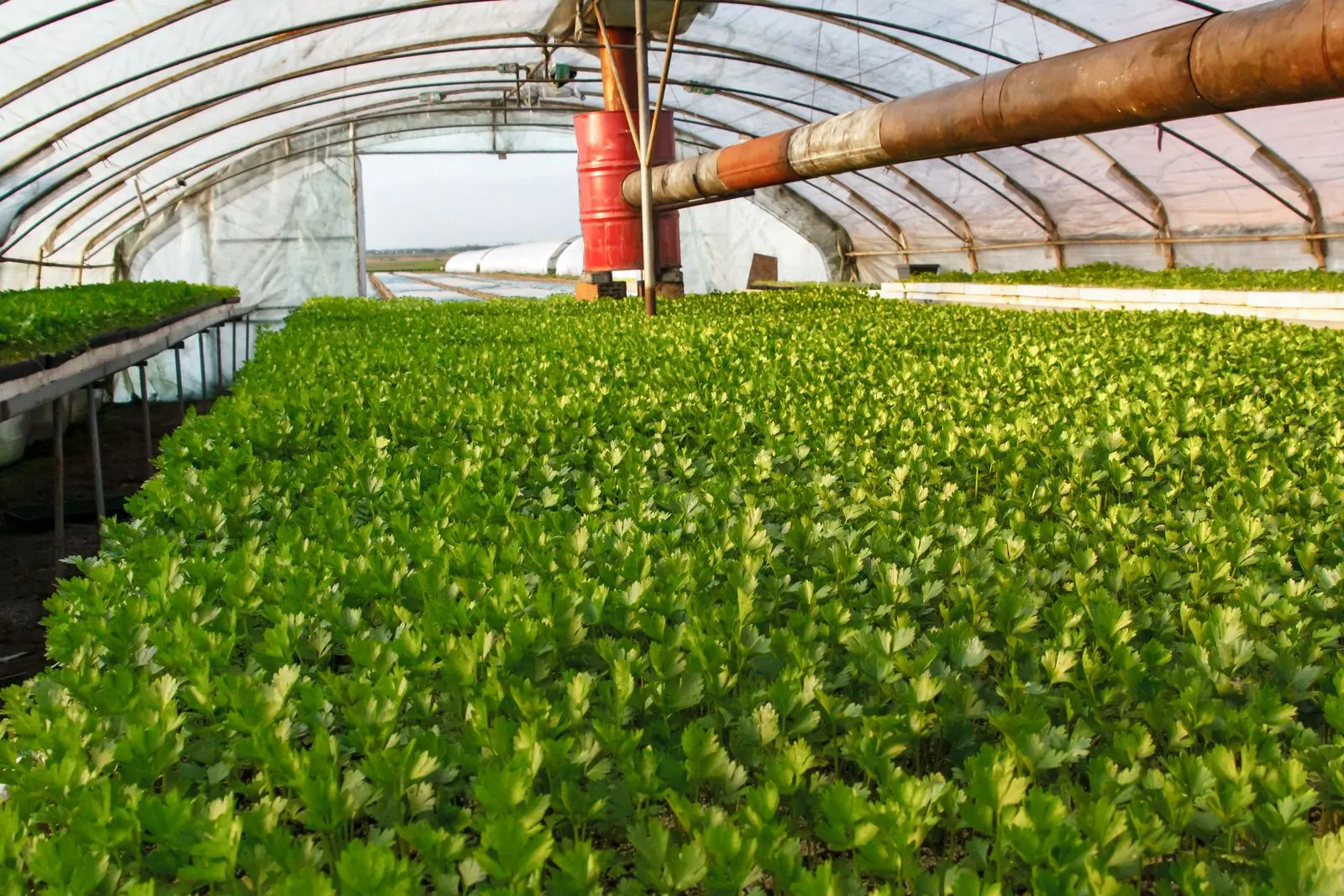
Rows of lettuce in a greenhouse

8 core relationships

Links

How the objects connect. Links turn separate tables into a graph that people and agents can walk.

  • Farmer belongs to Cooperative
  • Farmer works Plot
  • Plot grows Crop in a Crop season
  • Input loan finances Inputs for Farmer
  • Collection point receives Lot from Farmers
  • Lot is aggregated into Shipment
  • Shipment is sold to Buyer
  • Certificate covers Plot, Lot or Cooperative
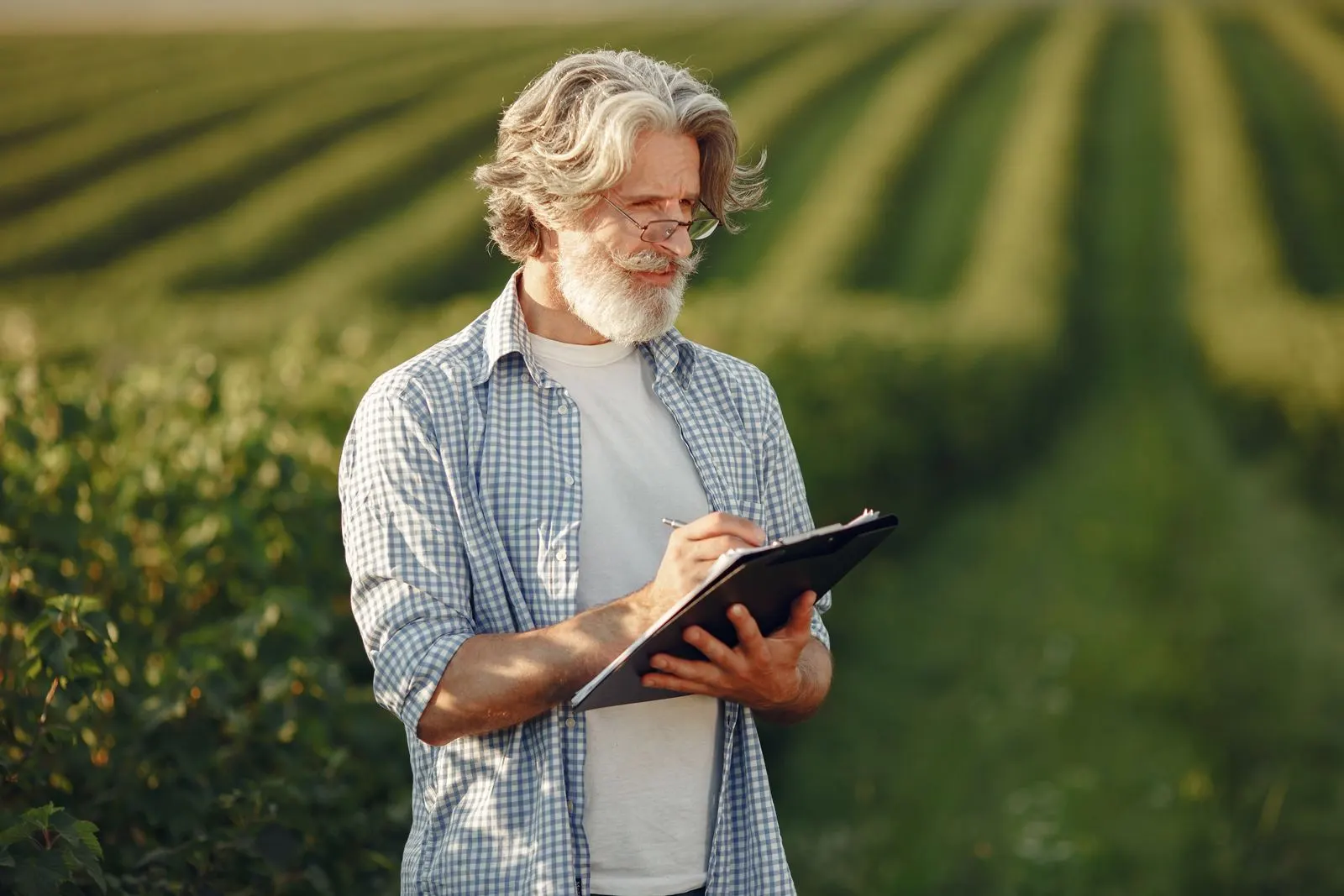
A farmer with a clipboard in a field

6 governed actions

Actions

What people and approved agents may do. Each action has rules, an approver where needed and a log entry.

  • Register a farmer and plot
  • Approve and disburse an input loan
  • Record a delivery and issue a receipt
  • Combine lots into a shipment
  • Generate a traceability file for a buyer
  • Send an advisory message to a group of farmers

03What changes on the ground

Use cases

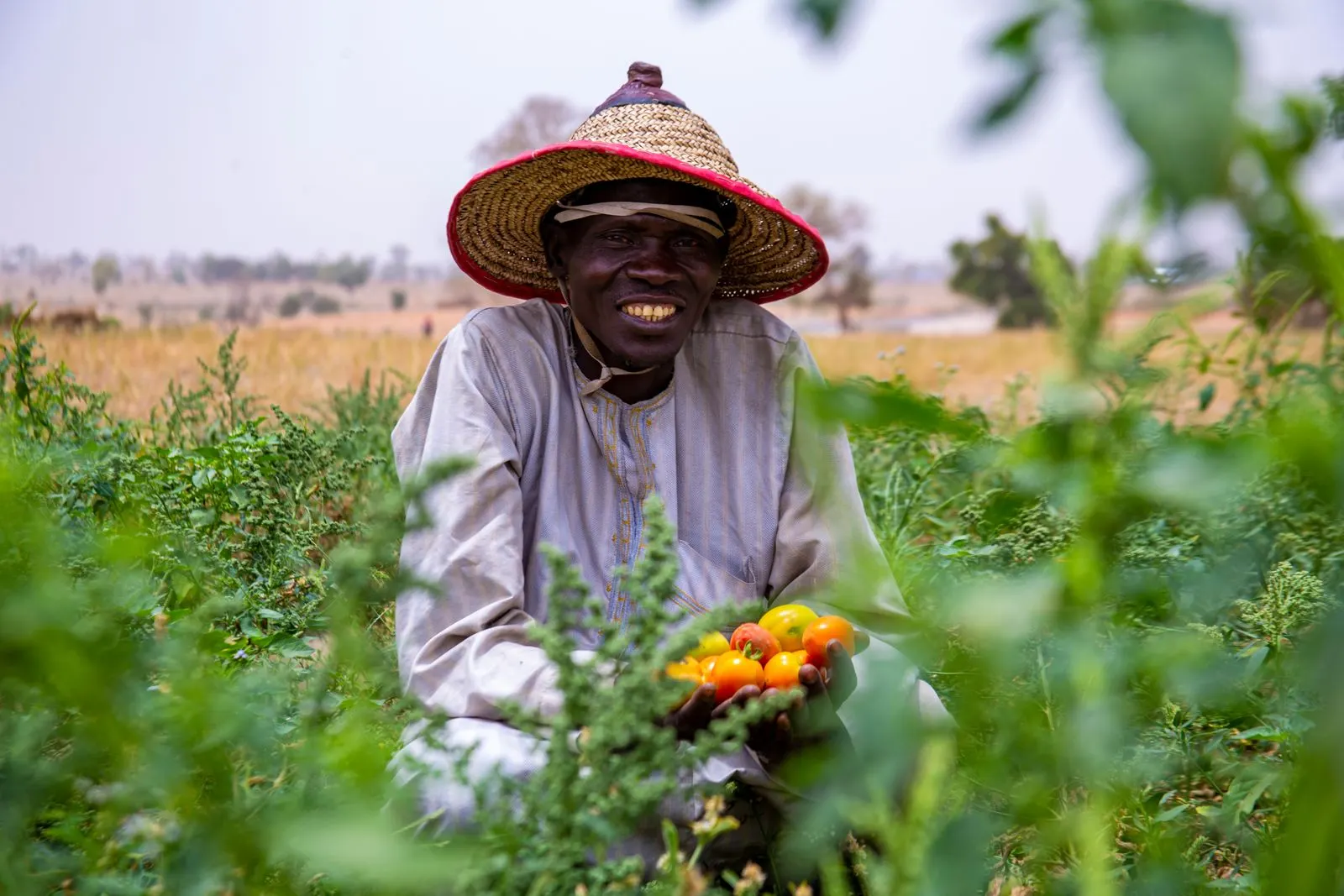
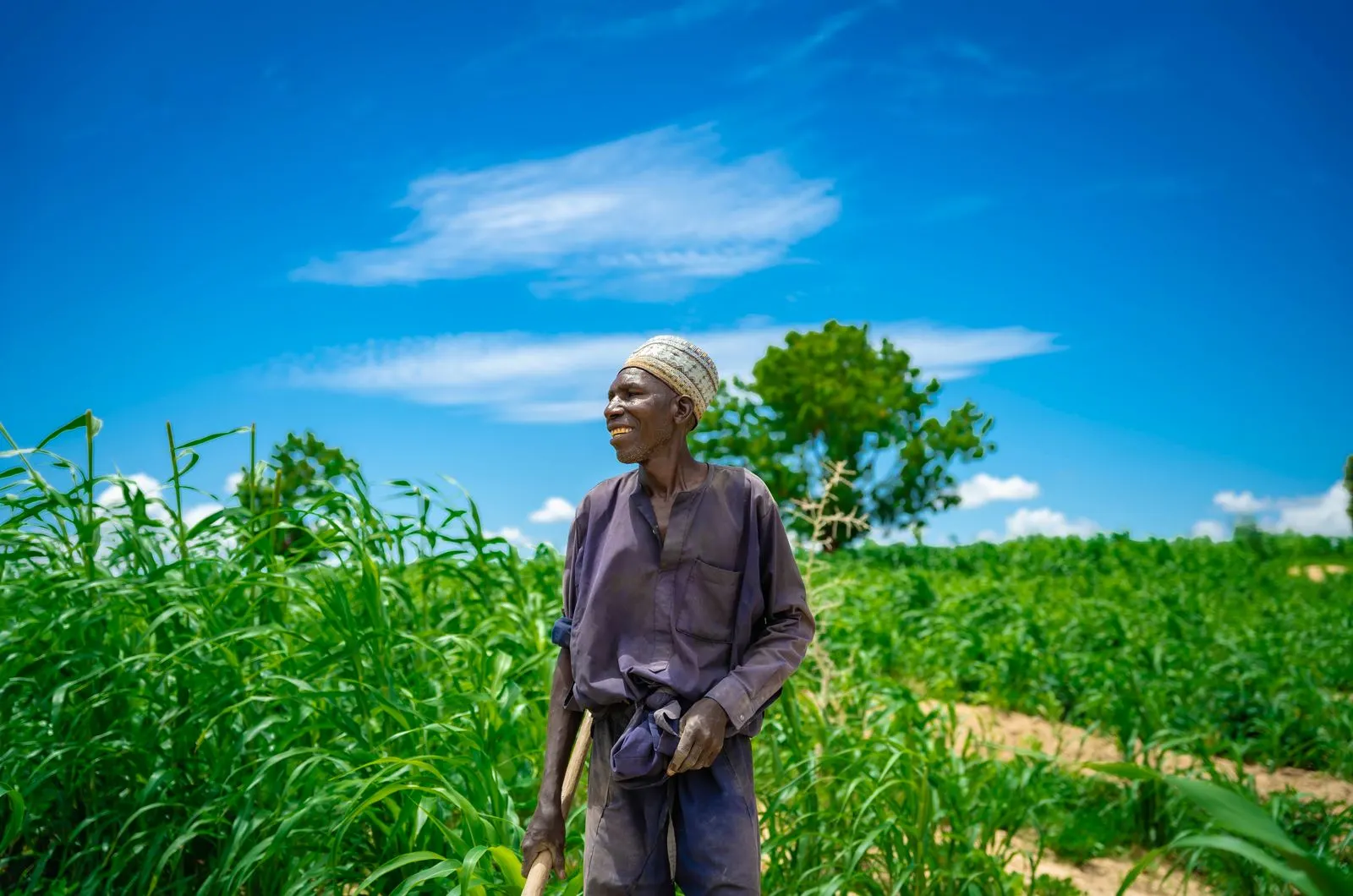
A smiling farmer among flowering crops
01

Situation

A cooperative wants to give members fertilizer on credit, repaid at harvest. The lender has no history on most members and cannot tell which plots are viable.

02

What it does

Farmer, plot, delivery and repayment records are joined. The system proposes a limit per farmer from past deliveries and plot size, and tracks each loan until repayment in cash or crop.

03

Human decides

The cooperative board and the lender approve limits. Field officers can override with notes when they know local conditions.

04Sources to connect

Data you already have

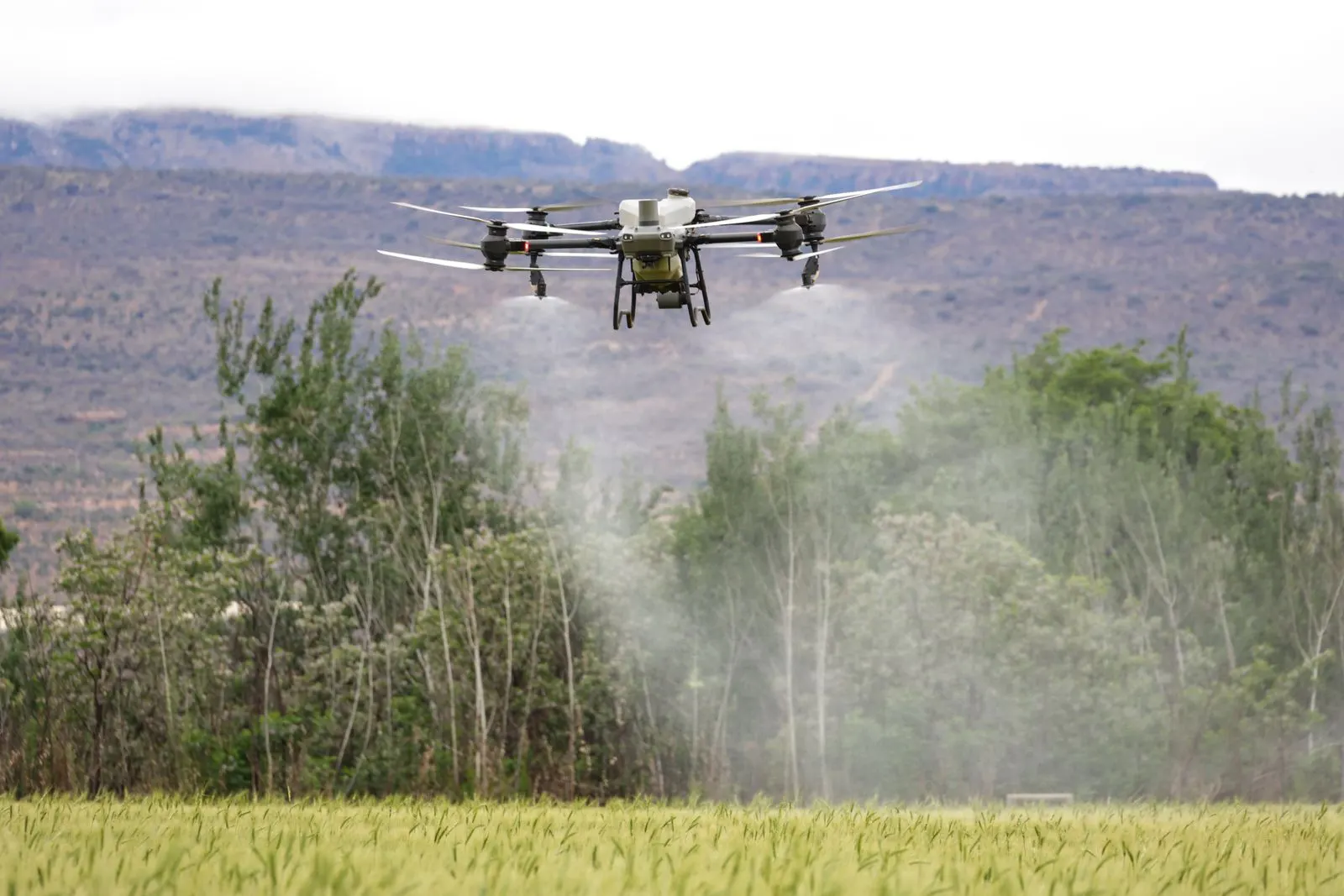
A drone spraying a field

We read from your existing systems first and write back only through approved actions. Every source has a named owner. Where connectivity is weak or records are on paper, we plan for queued sync and OCR with human review.

  • Cooperative membership lists and ledgers
  • Farmer and plot surveys, including GPS boundaries
  • Input supplier and dealer records, and loan books
  • Weighbridge and collection point receipts
  • Processor, warehouse and port records
  • Weather, satellite and soil data
  • Certification and audit documents
  • Mobile money payments to and from farmers

See how this applies to your organization.

Free 30 minutes with an engineer.

05Laws that shape the design

Compliance and residency

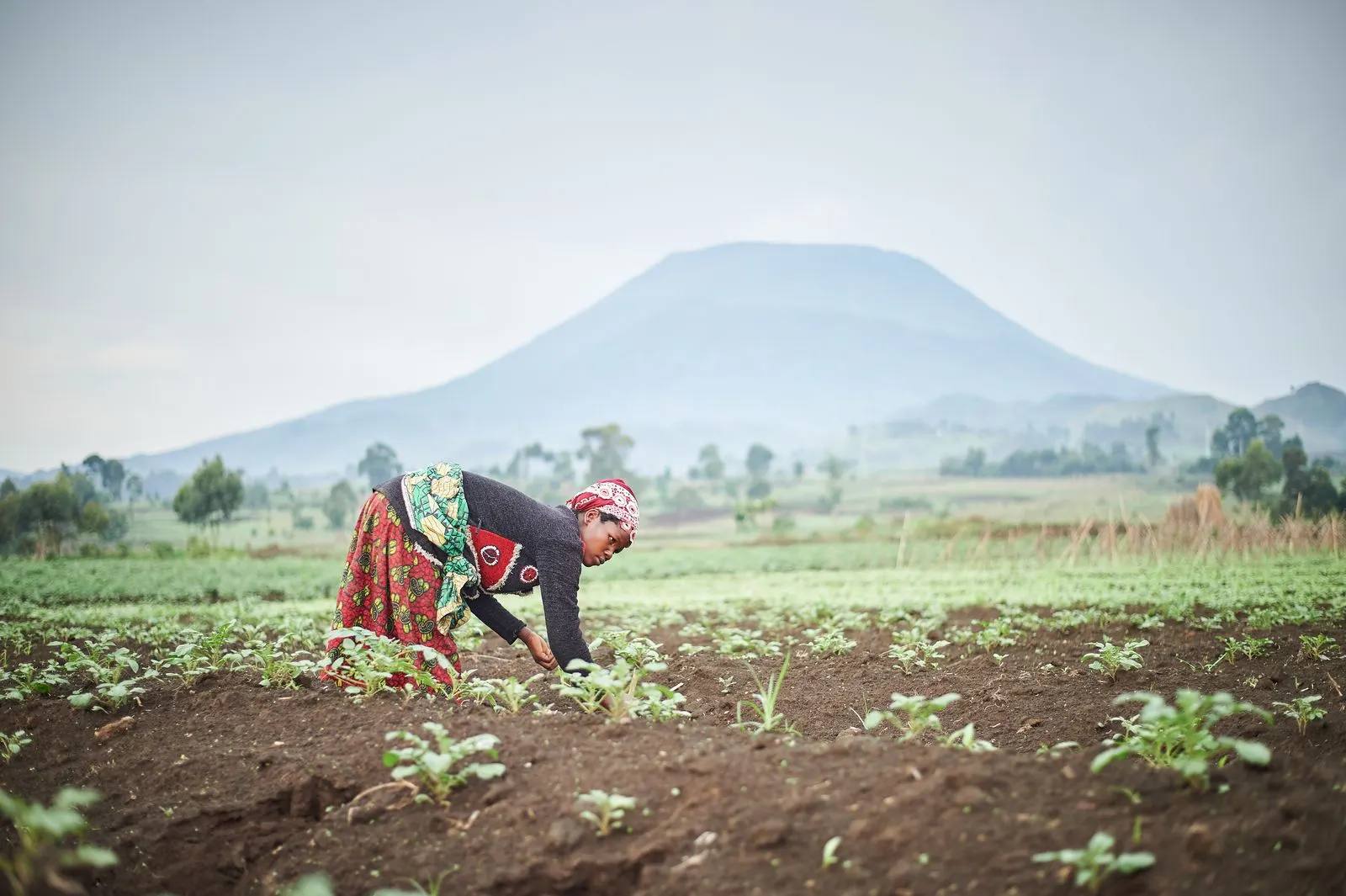
A farmer tending a field below a volcano
CountryLawWhat it means
NigeriaNDPA 2023Farmer registries hold personal and location data, so consent, purpose and security measures apply.
KenyaData Protection Act 2019Farmer and group data needs a lawful basis, and sharing with buyers or lenders needs clear purpose.
GhanaData Protection Act 2012Registration and principles on collection and retention apply to farmer data, including commodity board programs.
RwandaLaw on Personal Data Protection 2021Cross-border sharing of farmer data with buyers may have conditions.
Export marketsBuyer and import rules on traceabilityRules such as deforestation checks in some export markets can shape evidence requirements.

Commodity boards, land and agriculture ministries, and import market regulations add further rules. Treat this list as examples. Confirm applicable law with counsel in each country and market. Examples only, not legal advice. Confirm with counsel.

07

Frequently asked questions

  • No. SMS, USSD and voice are designed in from the start. Field agents may use simple offline apps.

Experience you can lean on

Our team of consultants and experts brings a combined 35 years of industry experience.

Immersed in technology and across many different verticals, so the people on your project have done this before.

Agriculture and food

Working in agriculture and food?

Tell us the problem. An engineer, not a salesperson, answers.

  • Free 30 minute briefing
  • Embedded engineers, working on your real systems
Reach more farmers

Working in agriculture and food?

Trace crops and inputs from smallholder farms through cooperatives, processors and export, with the farm, finance and logistics data needed to plan, lend and prove origin.