


12 core things
Objects
The nouns of the sector. Each object has an identity, properties and a history, and maps to records in the source systems.
- Customer
- Account
- Wallet
- Transaction
- Loan
- Agent
- Branch
- KYC record
- Alert
- Case
- Product
- Regulatory report


Industries
One governed view of customers, accounts, agents and transactions across core banking, mobile money and branch networks, so risk, fraud, credit and compliance teams work from the same facts.
01How the work happens today

A typical African bank or lender runs several systems that were never designed to talk to each other. A core banking platform holds accounts and ledgers. A separate mobile money platform holds wallets. Agent networks report on spreadsheets or a standalone app. Card, switch and payment gateway data sit with processors. KYC records live in a case tool, in scanned PDFs, and sometimes in a branch filing cabinet. Each system has its own idea of who the customer is, often keyed by a different phone number, national ID or account number.
The gaps show up when someone needs one answer across systems. A fraud analyst cannot see that a wallet, a loan and a card belong to the same person without a manual lookup. A credit officer decides on a thin file because the mobile money history is not joined to the branch record. Compliance teams rebuild the same regulatory report each month from extracts. AI pilots stall because the data is not labeled, not permissioned and not traceable. Without a shared model and an audit trail, nobody can say which data a decision used.
02A starting model for the sector

12 core things
The nouns of the sector. Each object has an identity, properties and a history, and maps to records in the source systems.

8 core relationships
How the objects connect. Links turn separate tables into a graph that people and agents can walk.

6 governed actions
What people and approved agents may do. Each action has rules, an approver where needed and a log entry.
03What changes on the ground
Situation
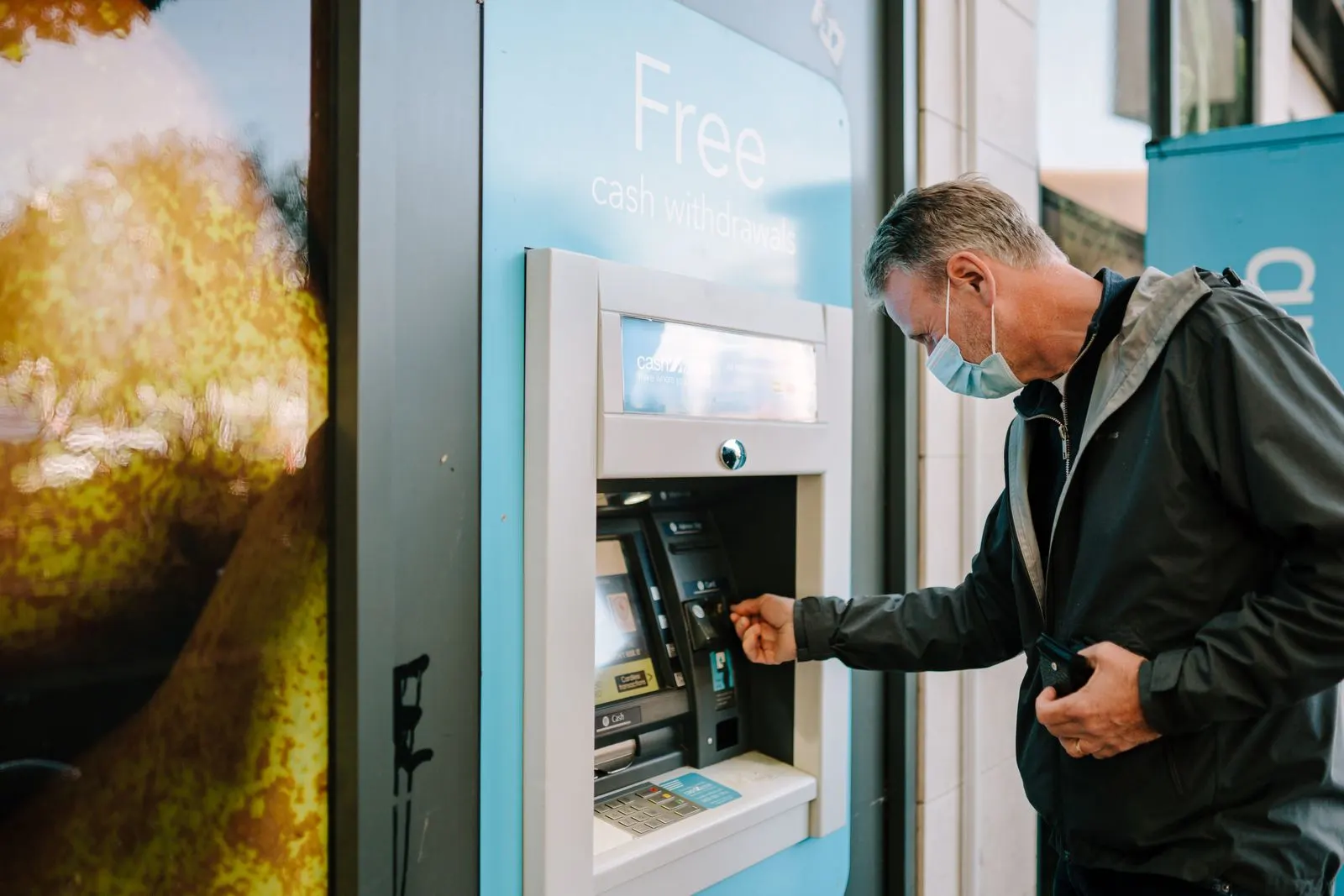
A microfinance lender receives hundreds of loan applications a week through agents. Each file has a scanned form, a phone number and whatever bank or wallet history the applicant can show. Officers spend most of their time chasing missing documents instead of judging risk.
What it does
The ontology joins the applicant across core banking, wallet and repayment history, and flags gaps in the file. A governed agent assembles a credit summary with the sources behind every figure. It proposes a limit and a term and lists the signals that moved the recommendation.
Human decides
The credit officer approves, adjusts or declines. Policy limits are enforced by the system, and the officer can override with a recorded reason. The customer can be told which factors mattered.
04Sources to connect

We read from your existing systems first and write back only through approved actions. Every source has a named owner. Where connectivity is weak or records are on paper, we plan for queued sync and OCR with human review.
Free 30 minutes with an engineer.
05Laws that shape the design

| Country | Law | What it means |
|---|---|---|
| Nigeria | NDPA 2023 and central bank rules | Customer data, consent and cross-border transfer may need documented controls. Banks may face in-country hosting expectations. |
| Kenya | Data Protection Act 2019 | Registration, consent and purpose limits shape how customer data is joined across systems. Central bank guidance on outsourcing may also apply. |
| South Africa | POPIA | Lawful processing, security safeguards and breach notification apply to customer records, with sector regulator expectations on top. |
| Ghana | Data Protection Act 2012 | Data controllers register and follow principles on purpose, retention and security. |
| Rwanda | Law on Personal Data Protection 2021 | Rules on storage and transfer outside the country may affect where analytics can run. |
Anti money laundering, consumer protection and outsourcing rules differ by country and by license type. This list is illustrative only. Confirm with counsel which laws and regulator guidance apply to your institution. Examples only, not legal advice. Confirm with counsel.
06How each product serves this sector


Model plane
Models customers, accounts, wallets, agents and alerts as linked objects, and defines the actions banks take on them. Zeus also drives the dashboards credit, fraud and finance teams use.
Trust plane
Controls which staff, agents and AI systems can see customer records or trigger actions such as a hold. Access follows role, branch and purpose, and every grant is recorded.

Control plane
Gives credit and fraud agents the context they need, filtered by policy, and blocks actions outside their remit. It keeps memory of past cases from leaking across customers.
Runtime plane
Runs agents and stores the data privately, in your cloud account or a jurisdiction you choose, so customer data stays where the regulator expects it.

Observation plane
Records which data and rules produced each credit, fraud or reporting decision. Examiners and internal audit can replay a decision with its inputs.
07

08
Join network, subscriber, mobile money and partner data into one model, and give operators a private place to run AI inference close to their customers.
Give informal merchants, distributors and marketplaces a shared view of stock, sales, payments and demand, so they can restock sooner, get credit and serve customers better.
Sovereign data and AI foundations for identity, revenue, procurement and service delivery, built so agencies share facts without losing control of who sees what.
Experience you can lean on
Immersed in technology and across many different verticals, so the people on your project have done this before.

Financial services
Tell us the problem. An engineer, not a salesperson, answers.
One governed view of customers, accounts, agents and transactions across core banking, mobile money and branch networks, so risk, fraud, credit and compliance teams work from the same facts.