


Skip to content

Solutions

Physical AI

Intelligence that sees, decides and acts in the physical world, including where connectivity is poor.

Farms, mines, ports and plants produce the signals that matter most. Physical AI turns those signals into decisions at the edge, even when the network is gone.

Models run next to the asset, not only in the cloud
Edge first
Models run next to the asset, not only in the cloud
Systems work through outages and sync later
Offline capable
Systems work through outages and sync later
Human override and fail-safe states are designed in
Safety led
Human override and fail-safe states are designed in
Engineers on site with your operators
Embedded
Engineers on site with your operators

01Overview

What we do

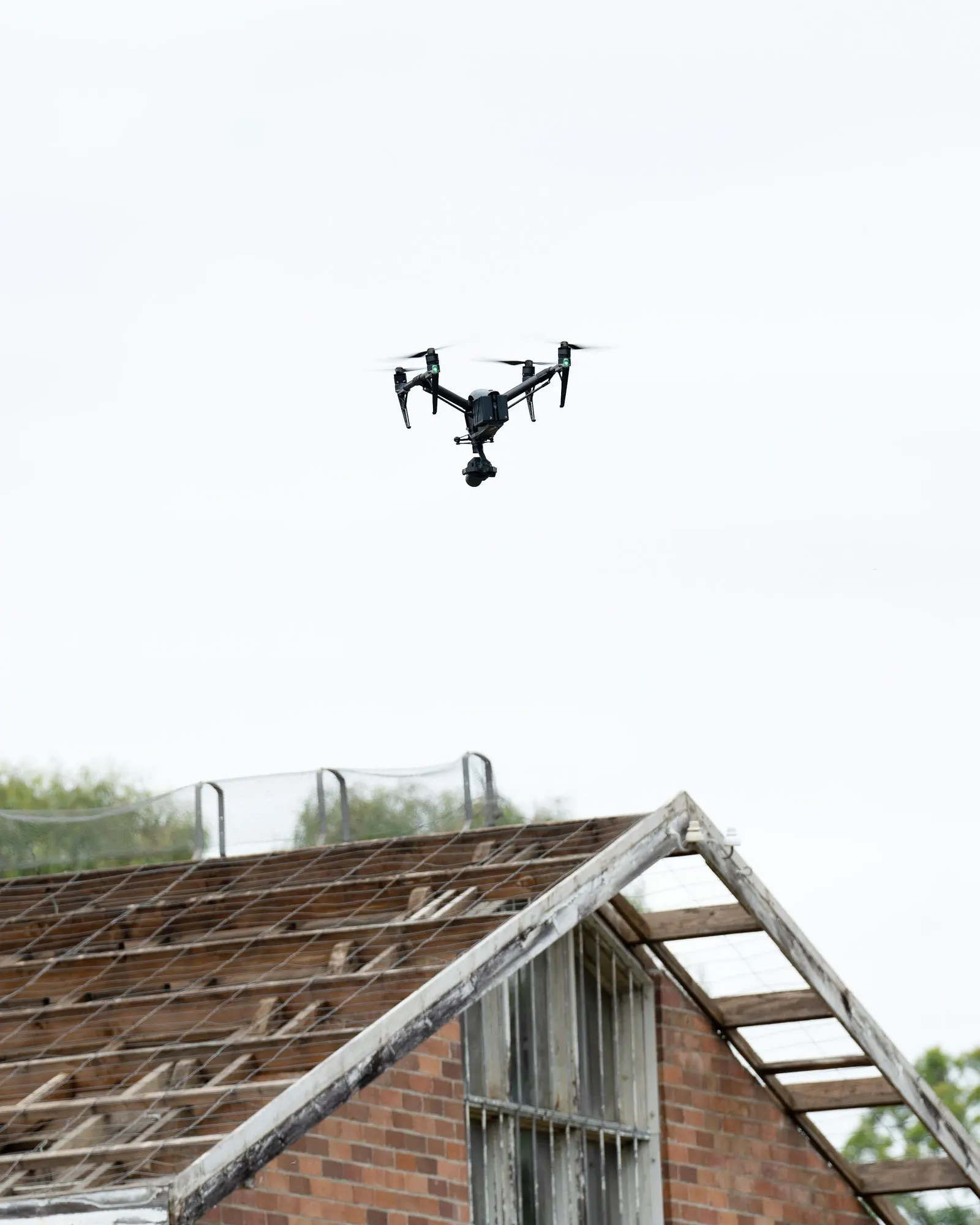
Physical AI connects sensors, machines and models into systems that can perceive and respond. A camera over a conveyor belt, a vibration sensor on a pump, a drone over a field, a scanner at a port gate: each one produces data that only has value if it reaches a decision in time. We design the whole path from sensor to action.

Across much of Africa the path has to work with constraints. Power can be unstable. Mobile data is expensive or patchy. Sites are remote and spares take days to arrive. So we run perception models on devices at the edge, keep a local buffer of events and sync to the cloud when a link is available. A system that needs a constant connection is not a system for a mine at the end of a gravel road.

We also take the physical world seriously. Anything that moves a machine or opens a valve is wrapped in safety rules, limits and human override. We start with perception and recommendation, prove accuracy on real site data, and only then move toward automated action. Our engineers work on site, with your maintenance and operations staff, until the system is theirs.

02

Engineers on the plant floor

Physical AI projects fail when the team never leaves the office. Sensors are installed badly, labels are wrong and nobody checks the model against what the operator sees. Our forward deployed engineers spend time at the asset. They watch the work, mount the hardware and label data with the people who know what normal looks like.

That is also how we find the practical limits: dust on a lens, a power cut during a shift, a pump that is serviced on Fridays. Those details decide whether a system works in month six.

  • On-site installation and calibration
  • Labelling with operators and technicians
  • Field tests before any automation

03What you get

Capabilities

Perception and sensing

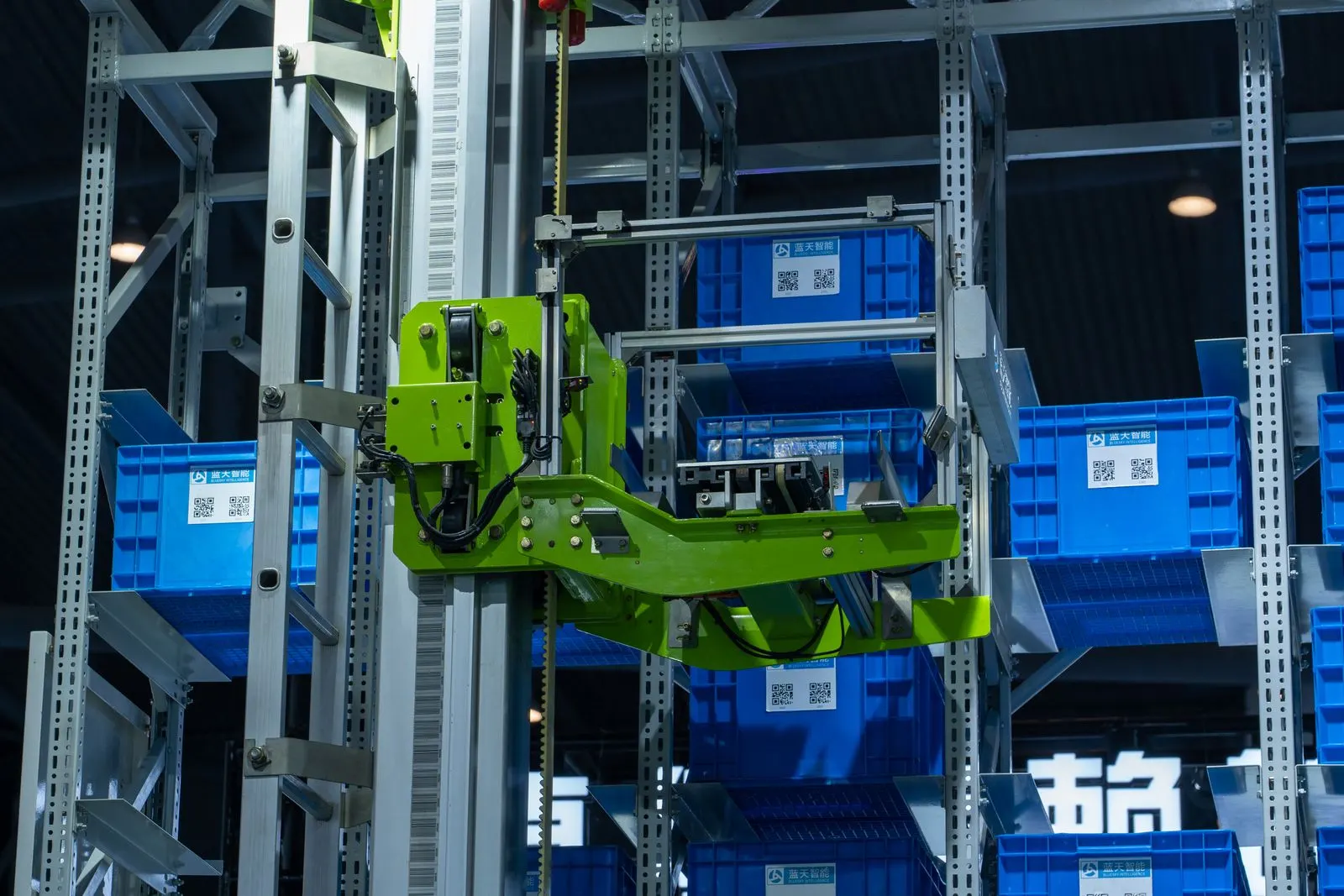
We build vision and signal models that detect defects, count, classify, read gauges and flag unusual vibration or temperature. Models are trained on images and signals from your site, not on generic datasets. Each model reports its confidence so low-quality cases go to a person.

  • Vision for inspection, counting and grading
  • Vibration, temperature and acoustic signals
  • Confidence scores and human review

Models trained on your site work on your site.
Edge deployment

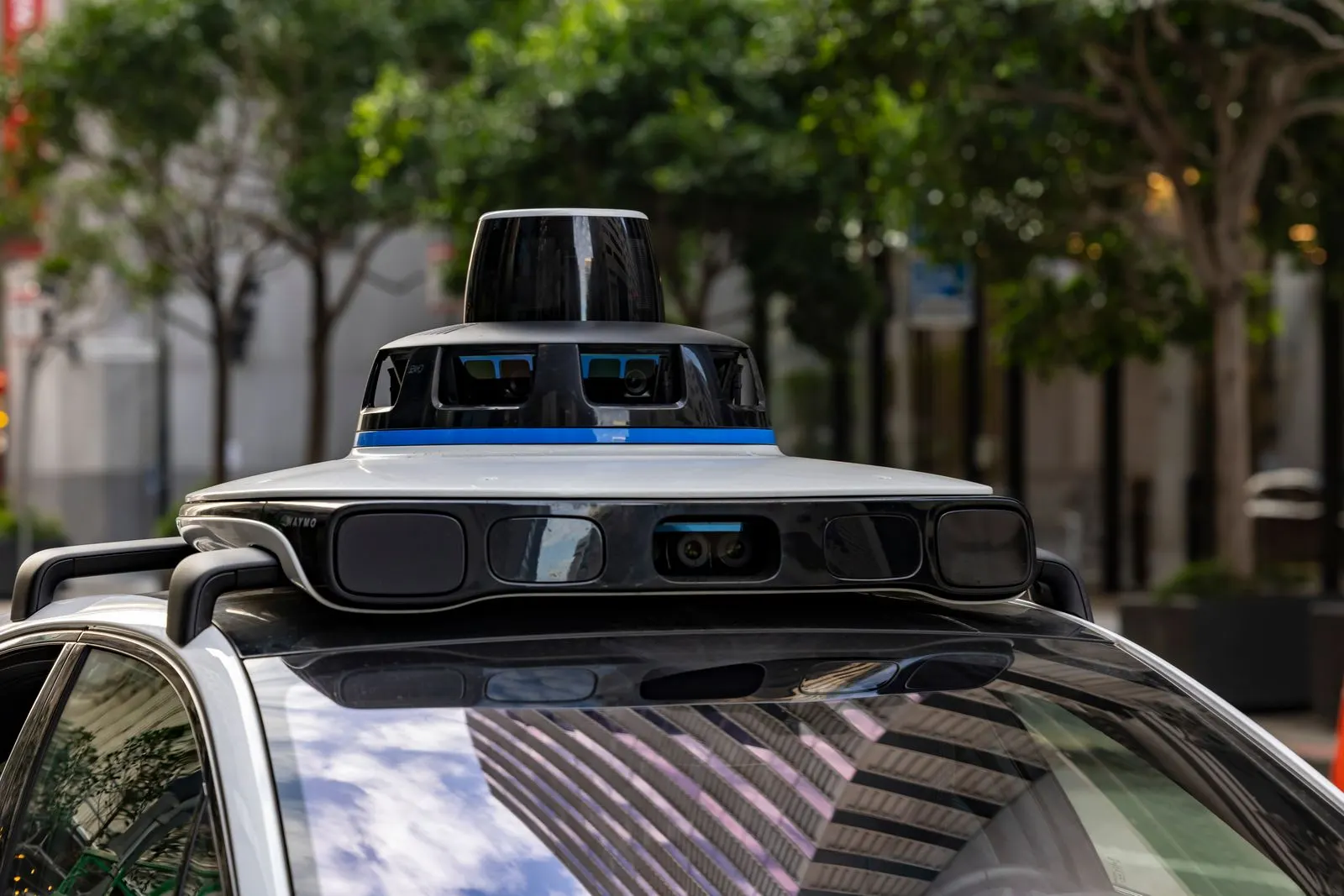
We package models to run on rugged edge devices with limited power and memory. Updates are signed, staged and reversible. Devices keep working during network loss and report health when they reconnect.

  • Optimised models for edge hardware
  • Signed, staged updates with rollback
  • Local logging and health checks

A model that cannot run on site is a demo.

Intermittent connectivity

We design store-and-forward pipelines with priorities. Alerts travel first over whatever link exists, including SMS or satellite where justified, and bulk data waits for a good connection. Conflicts are resolved by rules agreed with your team.

  • Store-and-forward queues
  • Priority channels for alerts
  • Conflict-safe synchronisation

Remote sites are where value is often highest.

Robotics and automation

We integrate with PLCs, SCADA systems, drones, conveyors and handling equipment. We start by recommending actions to an operator, then automate specific, low-risk steps once accuracy is proven. Every automated action has a limit and a manual stop.

  • Integration with industrial controls
  • Staged move from advice to action
  • Manual override and safe states

Safety is earned in steps.

Edge to cloud pipelines

We build the pipelines that carry events, images and summaries from the edge to storage and analytics. Data is compressed, labelled with site and asset identifiers, and linked to the operational model so engineers can ask questions across sites.

  • Asset-linked event streams
  • Bandwidth-aware summarisation
  • Retention and cost controls

One site learned, many sites improved.

Field operations and maintenance

We build mobile tools for technicians that work offline, show the asset history and guide inspections. Findings return to the model and improve the next prediction. Maintenance schedules shift from fixed intervals to condition.

  • Offline mobile inspection tools
  • Condition-based maintenance plans
  • Feedback from field to model

The technician is the best sensor you have.

See how this applies to your organization.

Free 30 minutes with an engineer.

04African sectors

Where it applies

01

Situation

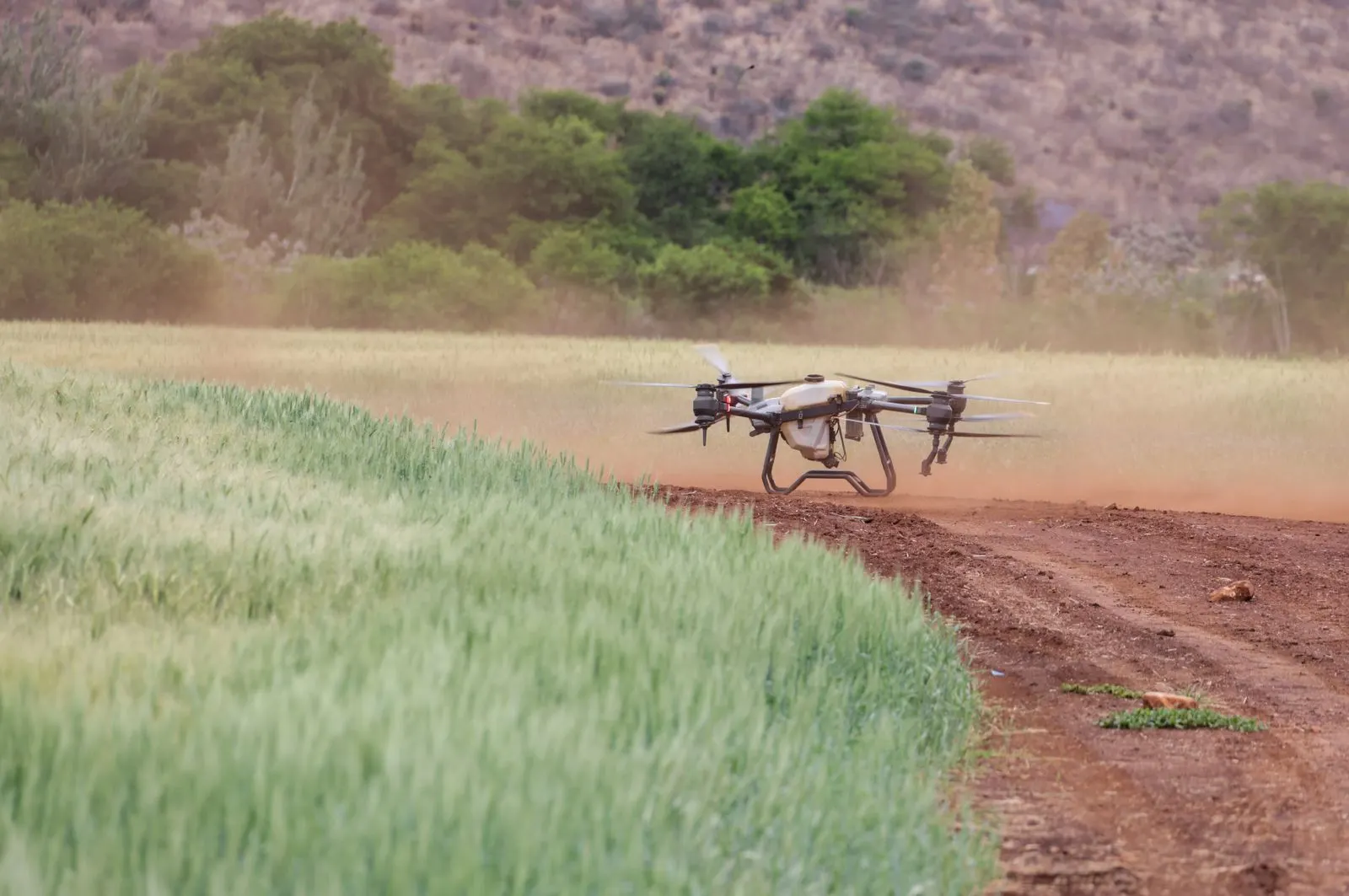
Large farms and outgrower schemes cannot walk every field. Pests, water stress and harvest timing are noticed late.

02

What it does

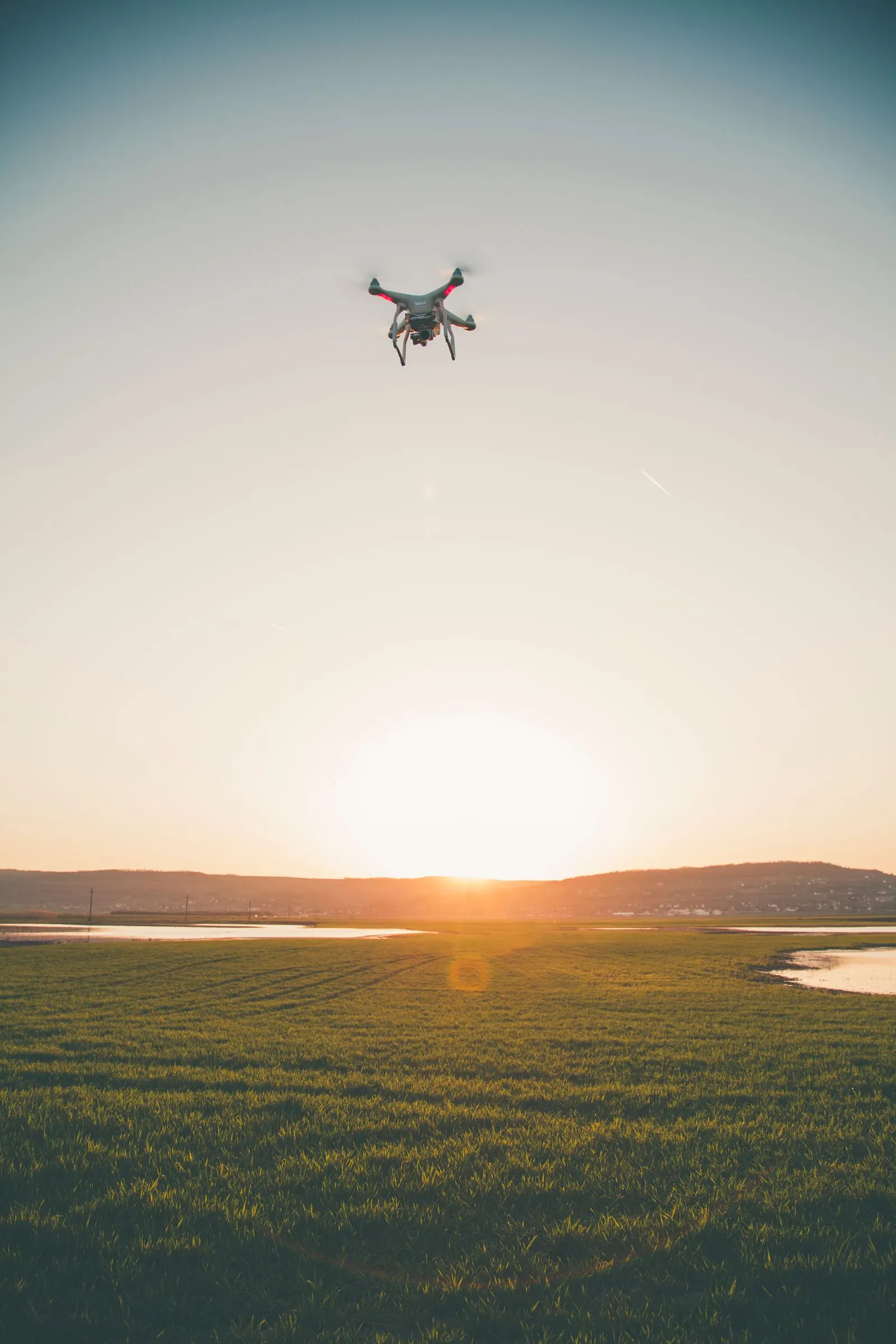
Drone and satellite imagery feed models at the edge and in the cloud. Alerts reach farm managers by SMS even where data is poor.

03

Human decides

The agronomist decides what to spray, irrigate or harvest and when.

06

What we do and do not do

Does

  • Design and deploy edge perception and pipelines
  • Integrate with your industrial and mobile systems
  • Run shadow trials before alerts go live
  • Train your technicians and engineers
  • Document safety limits and overrides

Does not

  • Replace safety systems or certified controls
  • Automate actions before accuracy is proven
  • Manufacture hardware or claim certifications
  • Require a permanent high-bandwidth link
  • Operate your plant for you

07FAQ

Questions we hear

  • We work with commodity and rugged edge devices, cameras and sensors that your site can support and service. The choice depends on power, climate, budget and local availability of spares.

Experience you can lean on

Our team of consultants and experts brings a combined 35 years of industry experience.

Immersed in technology and across many different verticals, so the people on your project have done this before.

Physical AI

Ready for Physical AI?

Tell us the problem. An engineer, not a salesperson, answers.

  • Free 30 minute briefing
  • Embedded engineers, working on your real systems
Bring AI to the floor

Ready for Physical AI?

Intelligence that sees, decides and acts in the physical world, including where connectivity is poor.