




Skip to content

Industries

Government and public sector

Sovereign data and AI foundations for identity, revenue, procurement and service delivery, built so agencies share facts without losing control of who sees what.

Starting ontology for citizens, services, revenue and procurement
Sector pack
Starting ontology for citizens, services, revenue and procurement
Typical sources: civil registers, tax systems, financial management and case files
Registers + ERP
Typical sources: civil registers, tax systems, financial management and case files
In-country hosting and public data rules in scope
Sovereignty first
In-country hosting and public data rules in scope
Channels: service counters, portals, SMS and WhatsApp
Counter to SMS
Channels: service counters, portals, SMS and WhatsApp

01How the work happens today

The challenge

A legislative chamber with curved rows of desks

Ministries, agencies and local governments each run their own systems. Civil registration, national ID, tax, land, health, education and social protection often use separate databases, sometimes procured years apart from different vendors. Public financial management and procurement run on specialized platforms, with paper approvals around them. Citizens meet the state at counters, where staff re-enter the same details for each service.

Without a shared and permissioned model, agencies cannot confirm basic facts about a person or a business without letters and queues. Duplicate and ghost records waste money in payroll and benefits. Revenue agencies cannot easily match tax, customs and land records. Procurement irregularities are found after the fact. Planners work from stale surveys. Many governments also want AI but must keep data in country, which rules out many foreign hosted tools. Trust is at stake: a data leak or an opaque automated decision can damage confidence in public institutions.

02A starting model for the sector

The ontology

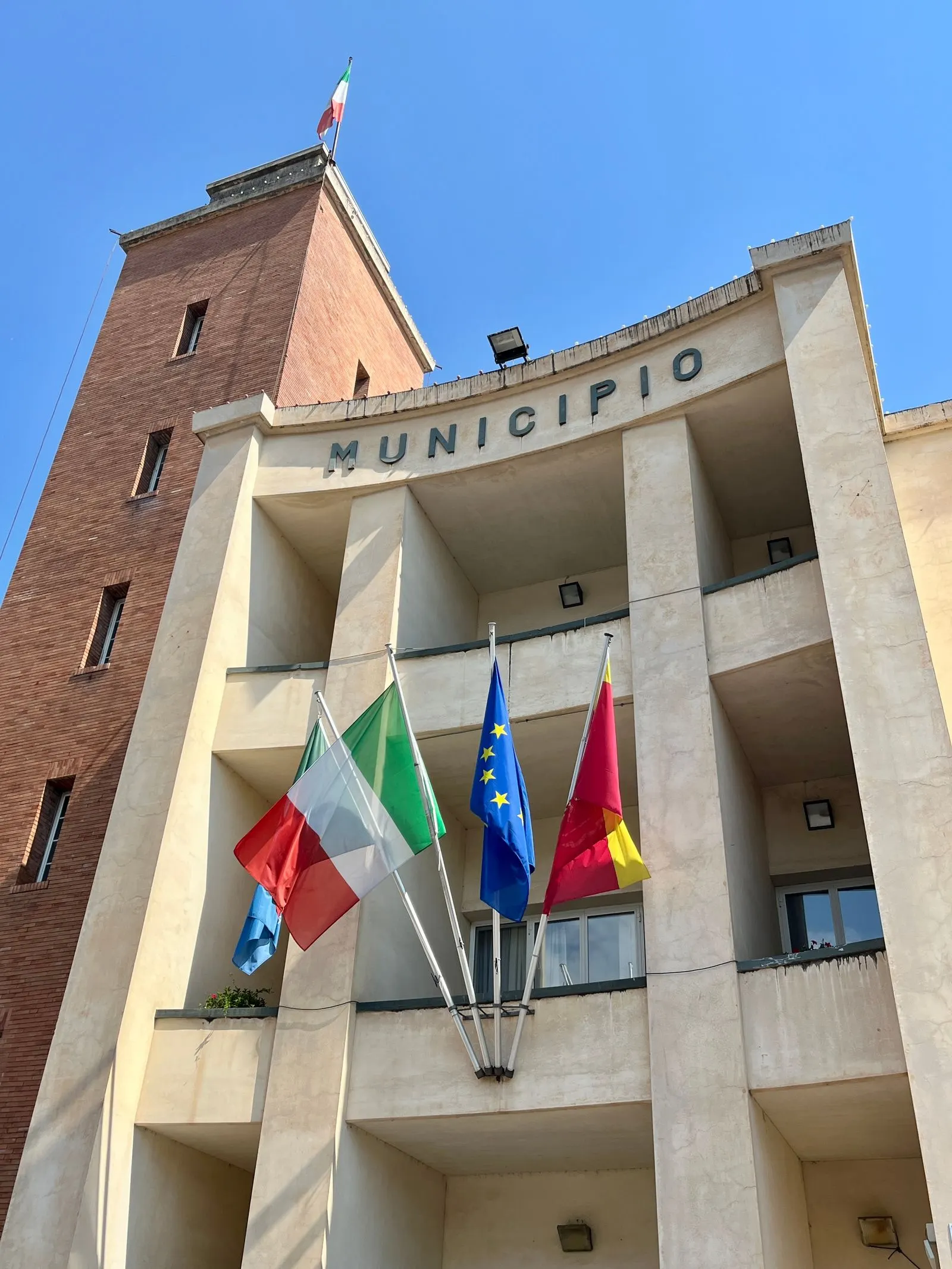
A municipal building flying flags
A courthouse with stone columns

14 core things

Objects

The nouns of the sector. Each object has an identity, properties and a history, and maps to records in the source systems.

  • Person
  • Business
  • Household
  • Service
  • Application
  • Case
  • Tax account
  • Payment
  • Tender
  • Contract
  • Supplier
  • Parcel
  • Facility
  • Official
A government office building with palm trees

8 core relationships

Links

How the objects connect. Links turn separate tables into a graph that people and agents can walk.

  • Person owns or directs Business
  • Person applies for Service via Application
  • Application becomes Case handled by Official
  • Business holds Tax account and makes Payment
  • Tender leads to Contract with Supplier
  • Contract is paid through Payment
  • Parcel is owned by Person or Business
  • Facility delivers Service in an area
An official checking a phone outside

6 governed actions

Actions

What people and approved agents may do. Each action has rules, an approver where needed and a log entry.

  • Verify identity or entitlement
  • Route and track an application
  • Flag a duplicate or inconsistent record
  • Open an audit or compliance case
  • Approve a payment against a contract
  • Publish a service performance report

03What changes on the ground

Use cases

A smiling woman holding an ID card
01

Situation

A revenue authority holds taxpayer, customs, land and business registry records in separate systems. Auditors pick cases from lists that do not reflect the full picture of a taxpayer.

02

What it does

The ontology links businesses, owners, assets and filings across sources. It surfaces mismatches such as declared income against visible assets, with the evidence for each flag.

03

Human decides

Tax officers decide whom to audit and what to assess. Taxpayers keep their right to respond, and the model gives no verdict.

04Sources to connect

Data you already have

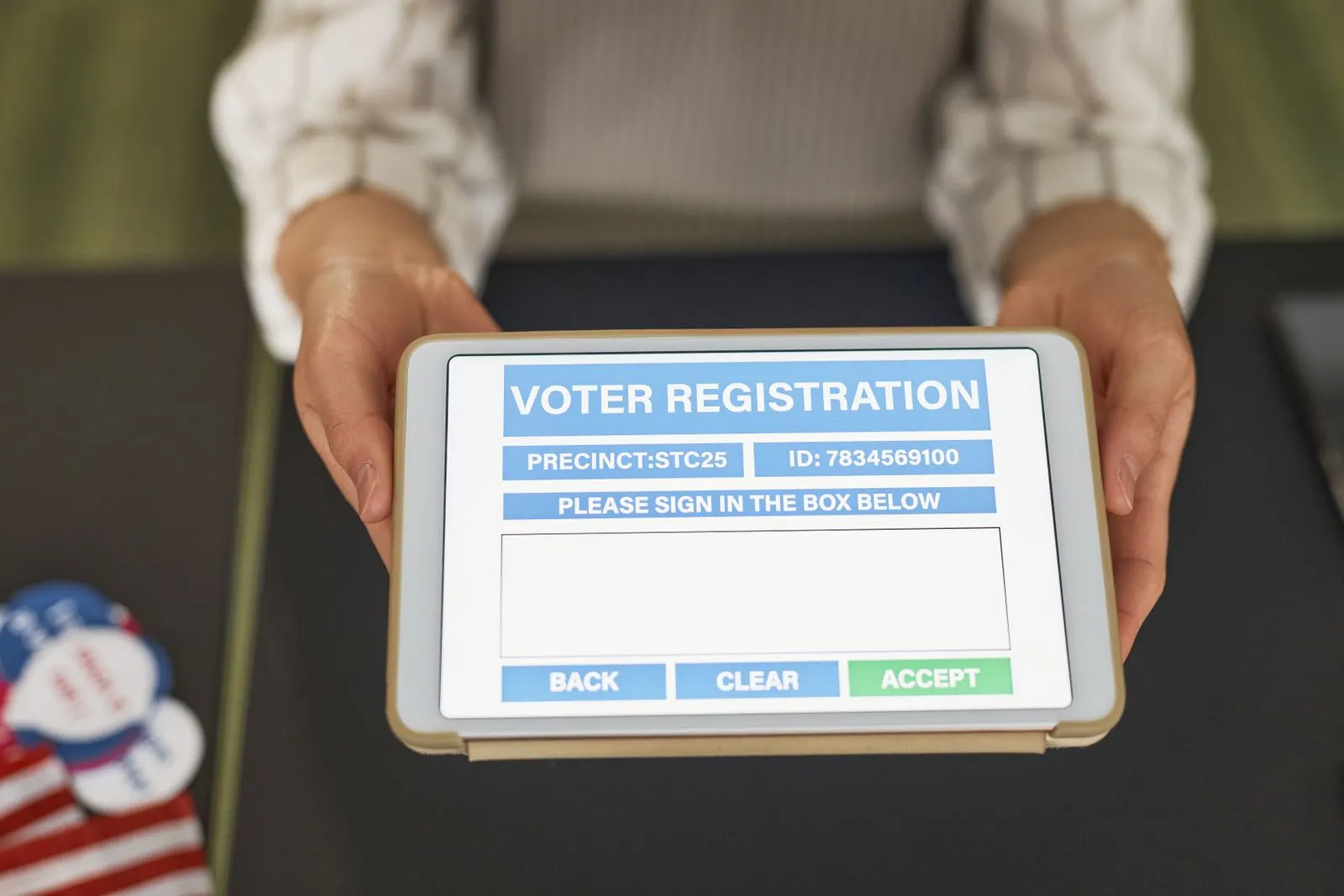
A voter registration form on a tablet

We read from your existing systems first and write back only through approved actions. Every source has a named owner. Where connectivity is weak or records are on paper, we plan for queued sync and OCR with human review.

  • Civil registration and national identity databases
  • Tax, customs and revenue administration systems
  • Integrated financial management and payroll systems
  • Procurement portals and contract registers
  • Land and property registries
  • Sector systems for health, education and social protection
  • Case files, forms and scanned archives
  • Mobile money and bank payment files

See how this applies to your organization.

Free 30 minutes with an engineer.

05Laws that shape the design

Compliance and residency

A busy city street seen from above
CountryLawWhat it means
NigeriaNDPA 2023Public bodies are data controllers and may need documented controls, impact assessments and breach processes.
KenyaData Protection Act 2019Government processing needs a lawful basis, and data localization expectations exist for some categories.
South AfricaPOPIAPublic bodies must secure and limit processing of personal information, with sector rules on records.
GhanaData Protection Act 2012Controllers register and follow processing principles, including in public service systems.
EgyptPersonal Data Protection Law 2020Rules on consent, cross-border transfer and licensing may affect shared platforms.

Public procurement, access to information, records management and cybersecurity laws also apply and vary by country. Treat this list as examples. Confirm requirements with counsel and the relevant authority. Examples only, not legal advice. Confirm with counsel.

07

Frequently asked questions

  • That is the aim. Argus is designed to be portable, with options for your own cloud account, a local data center or on premises. Details are agreed per project.

Experience you can lean on

Our team of consultants and experts brings a combined 35 years of industry experience.

Immersed in technology and across many different verticals, so the people on your project have done this before.

Government and public sector

Working in government and public sector?

Tell us the problem. An engineer, not a salesperson, answers.

  • Free 30 minute briefing
  • Embedded engineers, working on your real systems
Serve citizens better

Working in government and public sector?

Sovereign data and AI foundations for identity, revenue, procurement and service delivery, built so agencies share facts without losing control of who sees what.