





Skip to content

Industries

Education and skills

Follow learners from enrollment through assessment to work, with one record of learners, courses, outcomes and skills that schools, training providers and employers can use.

Starting ontology for learners, courses, assessments and skills
Sector pack
Starting ontology for learners, courses, assessments and skills
Typical sources: student records, learning platforms, exams and job boards
SIS + LMS
Typical sources: student records, learning platforms, exams and job boards
Regulators in scope: education ministries and data protection
Child data rules
Regulators in scope: education ministries and data protection
Channels: SMS, WhatsApp, shared devices and offline apps
Low bandwidth
Channels: SMS, WhatsApp, shared devices and offline apps

01How the work happens today

The challenge

Schoolchildren in blue uniforms smiling for a photo

Education systems hold learner information in many places. Schools keep registers and report cards, often on paper. Ministries collect enrollment and exam results through annual surveys and national exam bodies. Universities run student information systems and learning platforms. Private training providers, bootcamps and employers run their own records. Skills programs funded by donors collect yet another set of data. Connectivity and devices vary widely, and many learners use shared or borrowed phones.

Learners move between schools, districts and programs, but their records do not follow them. Dropout risk is seen when the child has already left. Teachers lack timely data on what a class understands. Training providers cannot show employers what a graduate can actually do. Ministries cannot link spending to learning outcomes. AI tutors and assistants raise a further problem: children's data needs special care, and tools must be age appropriate, multilingual and fair.

02A starting model for the sector

The ontology

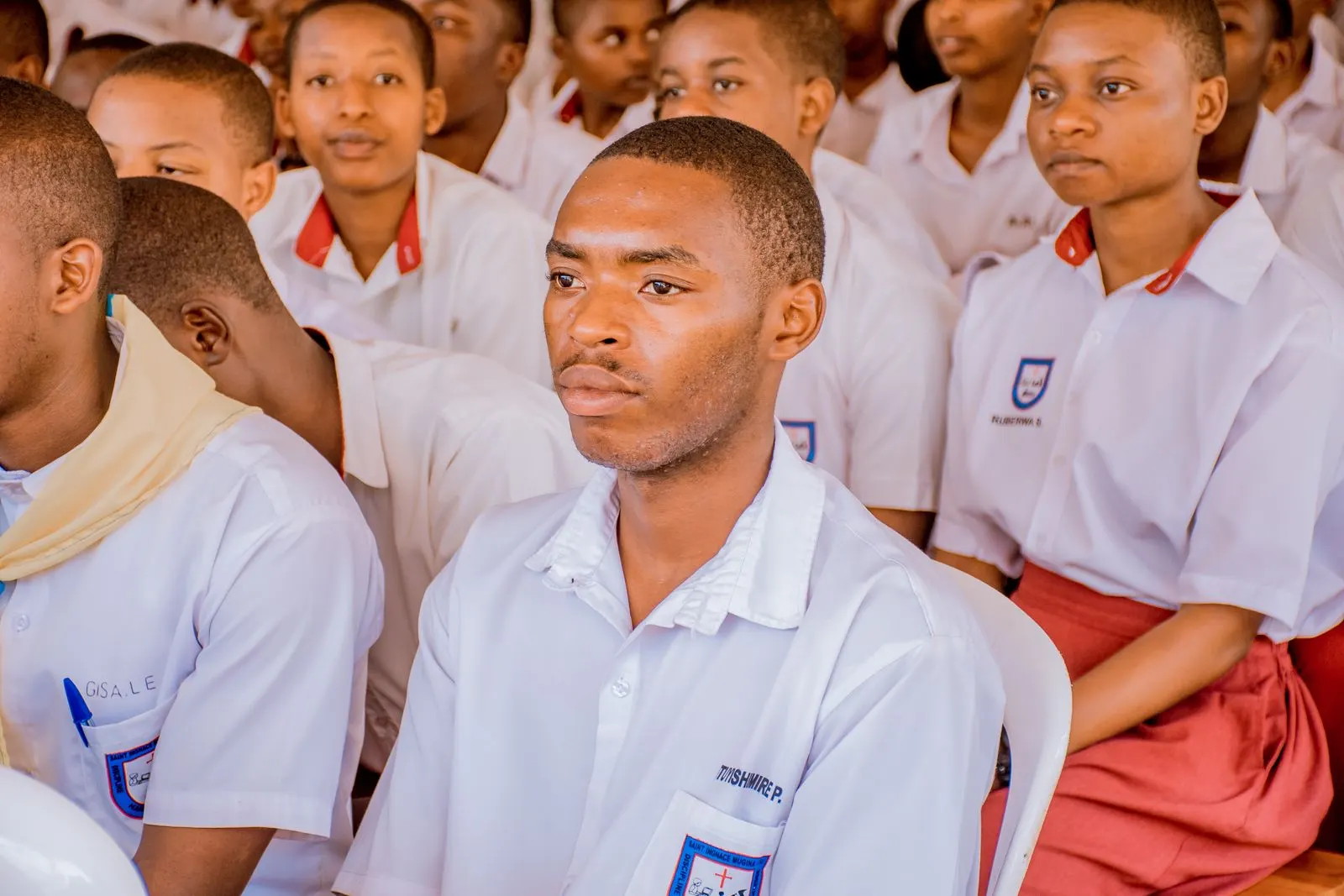
Students in uniform outside a rural school
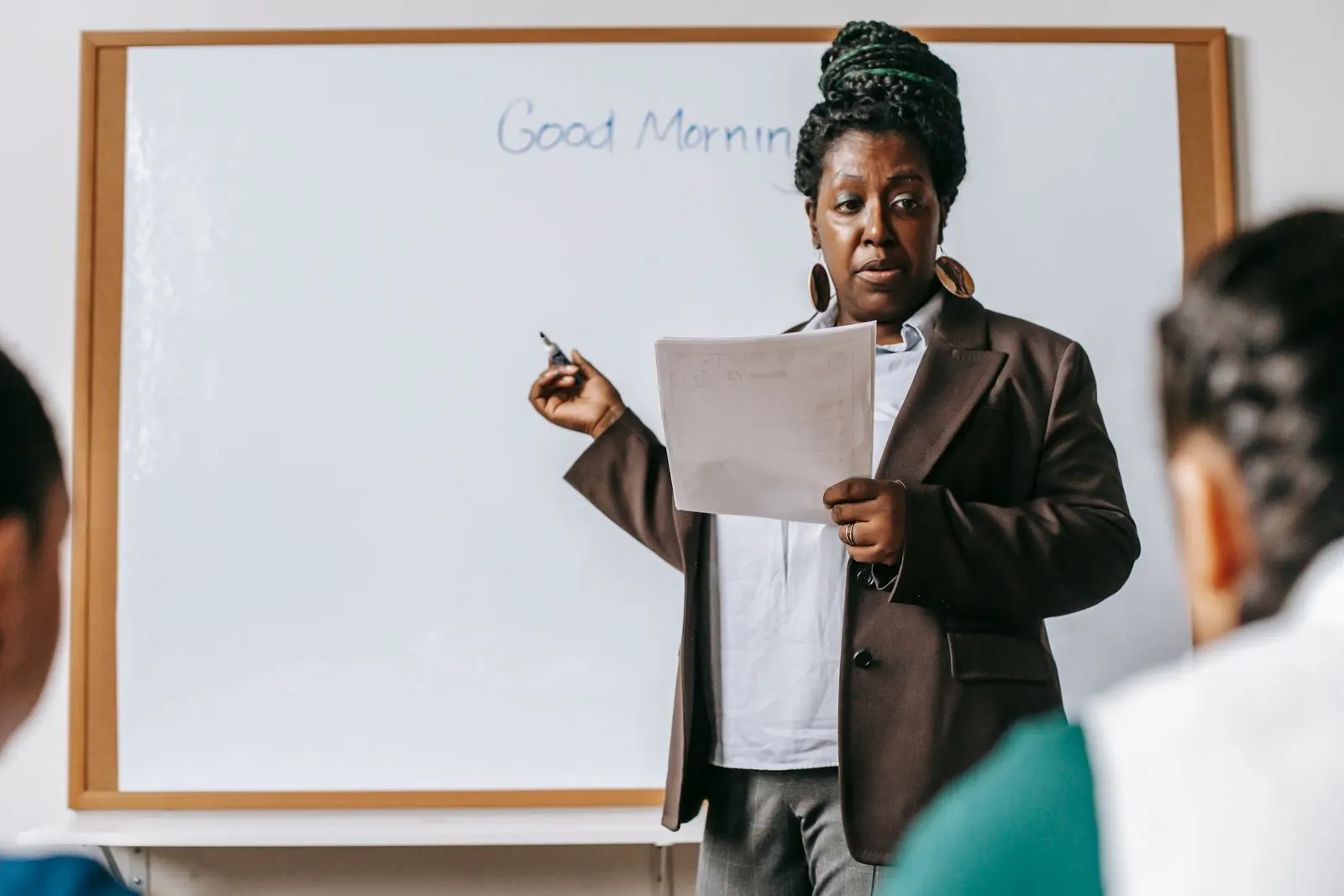
A teacher writing on a whiteboard

13 core things

Objects

The nouns of the sector. Each object has an identity, properties and a history, and maps to records in the source systems.

  • Learner
  • Guardian
  • School
  • Teacher
  • Class
  • Course
  • Assessment
  • Result
  • Skill
  • Credential
  • Training provider
  • Employer
  • Job opening
A teacher at a whiteboard addressing a class

8 core relationships

Links

How the objects connect. Links turn separate tables into a graph that people and agents can walk.

  • Learner enrolls in School or Course
  • Teacher teaches Class
  • Learner sits Assessment and receives Result
  • Result evidences Skill
  • Credential certifies Skills
  • Training provider issues Credential
  • Employer posts Job opening requiring Skills
  • Guardian is linked to Learner
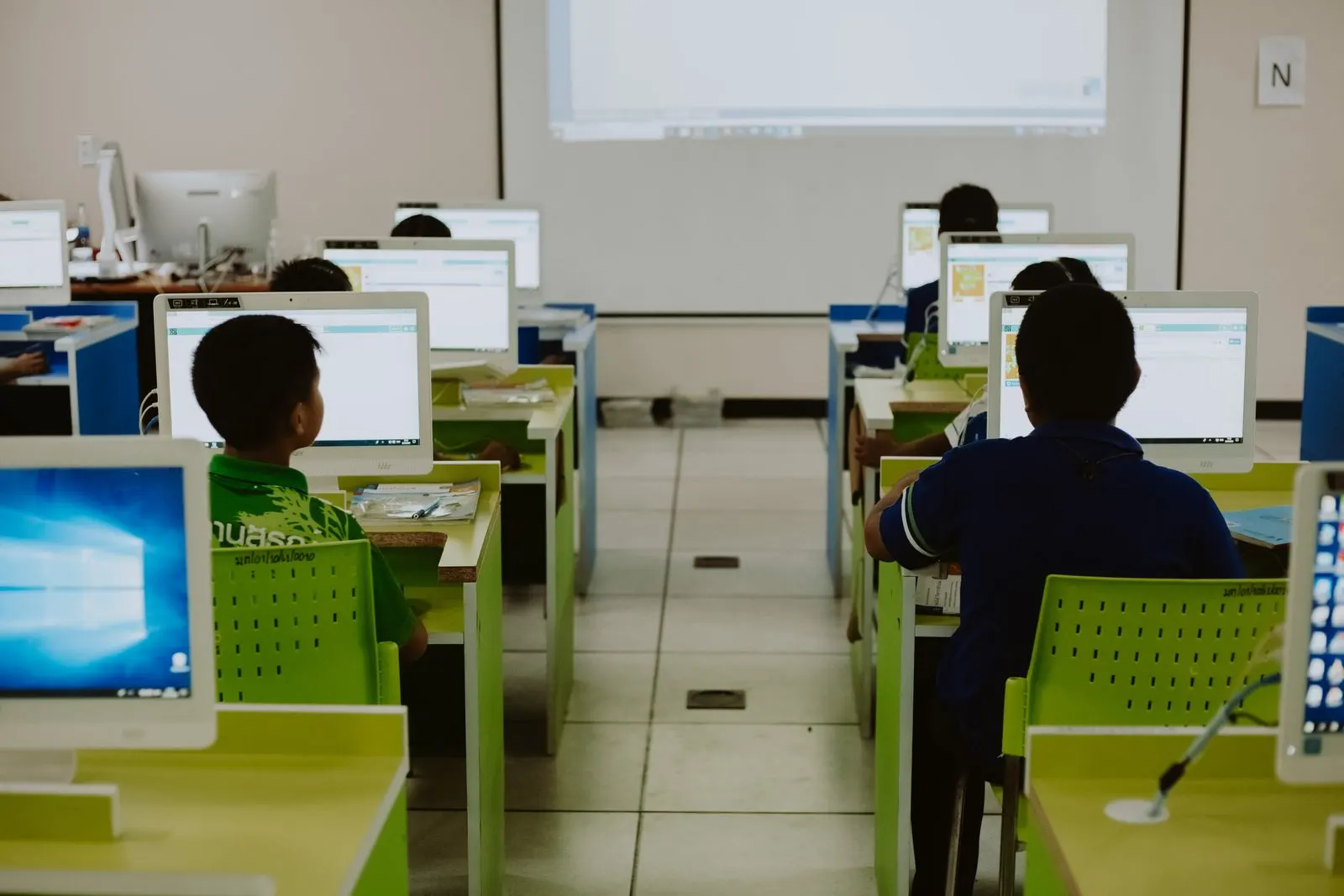
A learner at a computer in a library

6 governed actions

Actions

What people and approved agents may do. Each action has rules, an approver where needed and a log entry.

  • Enroll or transfer a learner
  • Flag a learner at risk of dropping out
  • Assign targeted practice or support
  • Issue and verify a credential
  • Match a graduate to a job opening
  • Publish a school or program performance report

03What changes on the ground

Use cases

Students in a lecture hall looking ahead
01

Situation

A district sees pupils drop out around transition years. Teachers notice absence but have no shared view of attendance, fees and results.

02

What it does

Attendance, results and household signals, where permitted, build an at risk list per school. The system suggests actions such as a home visit or fee support and tracks follow-up.

03

Human decides

Head teachers and social workers decide interventions. Families are treated with care, and lists are not shared outside the school team.

04Sources to connect

Data you already have

Students writing in a crowded classroom

We read from your existing systems first and write back only through approved actions. Every source has a named owner. Where connectivity is weak or records are on paper, we plan for queued sync and OCR with human review.

  • Student information systems and school registers
  • Learning management systems and content platforms
  • National exam and assessment records
  • Teacher payroll and posting records
  • School infrastructure and facilities data
  • Training provider and credential registries
  • Employer job postings and placement data
  • SMS and WhatsApp interactions with learners and guardians

See how this applies to your organization.

Free 30 minutes with an engineer.

05Laws that shape the design

Compliance and residency

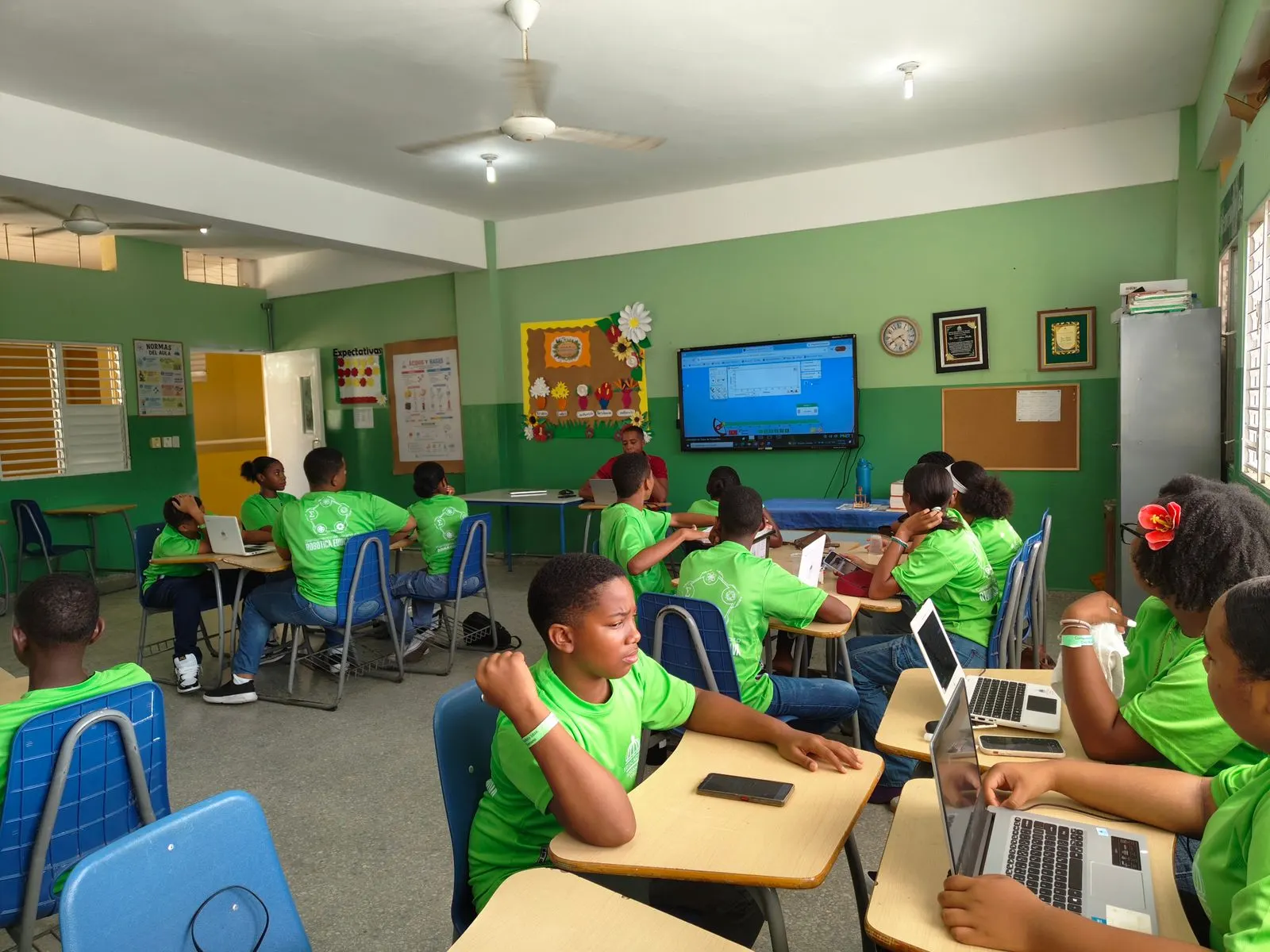
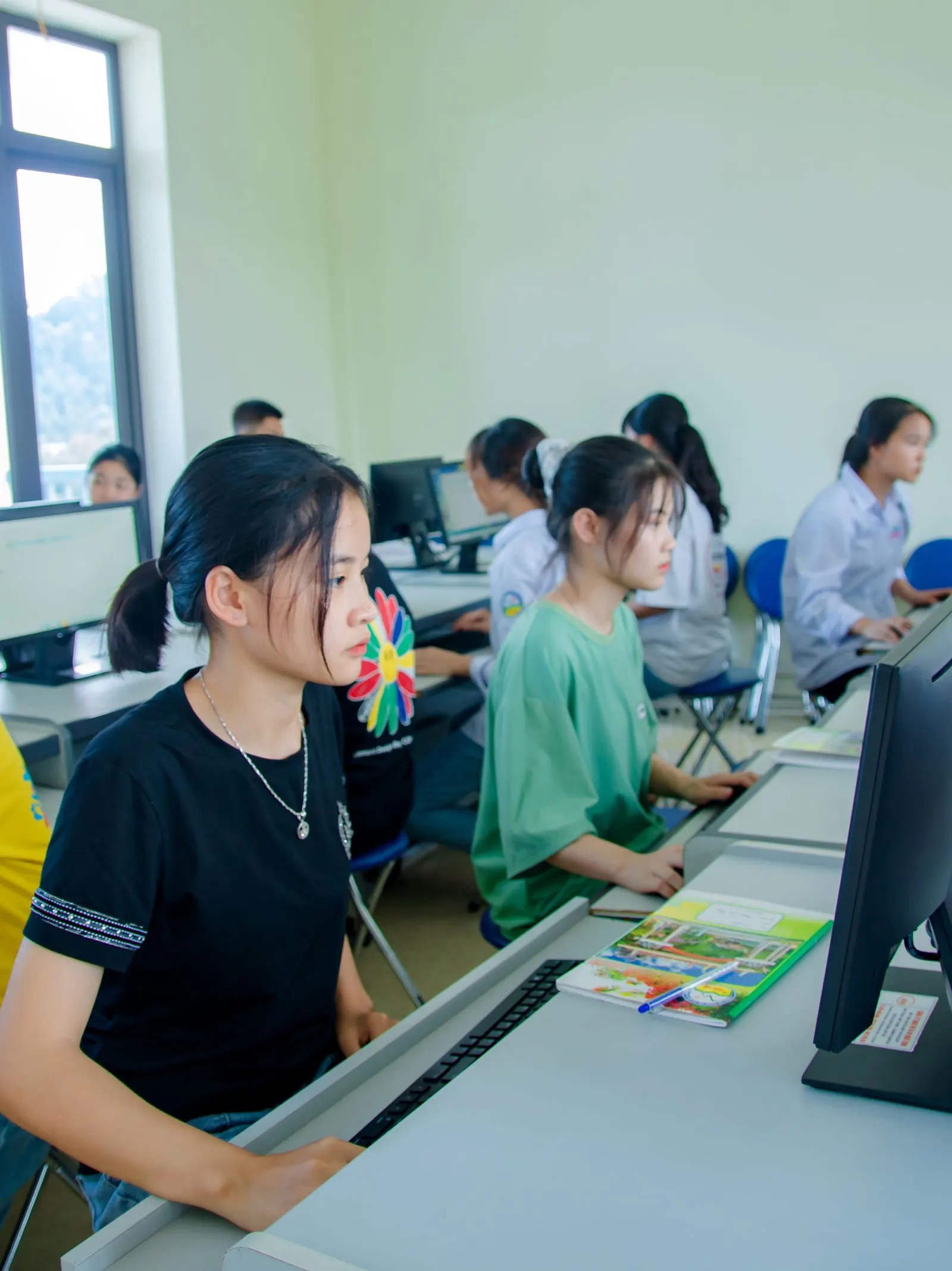
Children working on laptops in a green classroom
CountryLawWhat it means
NigeriaNDPA 2023Children's data may need parental consent and extra safeguards.
KenyaData Protection Act 2019Rules for processing children's data and the requirement for a lawful basis apply to schools and ed-tech.
South AfricaPOPIASpecial conditions apply to children's personal information, including consent from a competent person.
GhanaData Protection Act 2012Principles on consent, purpose and security apply to learner records.
RwandaLaw on Personal Data Protection 2021Rules on minors' data and storage may influence hosting.

Education ministries and exam bodies add their own rules on records, assessment and child protection. These are examples, not legal advice. Confirm with counsel and the relevant authority. Examples only, not legal advice. Confirm with counsel.

07

Frequently asked questions

  • No. We connect to the systems you use and add a model and workflow layer, including skills and outcome tracking.

Experience you can lean on

Our team of consultants and experts brings a combined 35 years of industry experience.

Immersed in technology and across many different verticals, so the people on your project have done this before.

Education and skills

Working in education and skills?

Tell us the problem. An engineer, not a salesperson, answers.

  • Free 30 minute briefing
  • Embedded engineers, working on your real systems
Link learners to work

Working in education and skills?

Follow learners from enrollment through assessment to work, with one record of learners, courses, outcomes and skills that schools, training providers and employers can use.