




Skip to content

Industries

Energy, mining and utilities

A live model of plants, grids, mines and field crews, linking assets, work orders, safety and emissions so operators can maintain, report and respond with less guesswork.

Starting ontology for assets, work orders, incidents and sites
Sector pack
Starting ontology for assets, work orders, incidents and sites
Typical sources: control systems, maintenance, ERP and meters
SCADA + CMMS
Typical sources: control systems, maintenance, ERP and meters
Regulators in scope: energy, mining, environment and data protection
Safety + ESG
Regulators in scope: energy, mining, environment and data protection
Channels: control rooms, field tablets, radio and low bandwidth links
Remote sites
Channels: control rooms, field tablets, radio and low bandwidth links

01How the work happens today

The challenge

Three engineers in hard hats reading a tablet

Power utilities, mines and plants run on equipment that is decades old and new in the same site. Control systems record sensor readings. A maintenance system holds work orders. An ERP holds spare parts and purchases. Meters, billing and customer systems belong to another team. Safety incidents are recorded in forms and reports. Many sites are remote, with limited bandwidth, so some of this data is exported by hand.

When data stays in separate systems, a failing transformer or conveyor is noticed late. Maintenance follows a calendar instead of condition because nobody can join readings to repair history. Spare parts are ordered in a rush. Safety teams find patterns only in quarterly reviews. ESG and emissions reports are built from spreadsheets for investors, lenders and regulators, and the numbers are hard to defend. Utilities lose revenue to theft and losses they cannot locate on the network.

02A starting model for the sector

The ontology

An engineer holding a tablet inside a plant
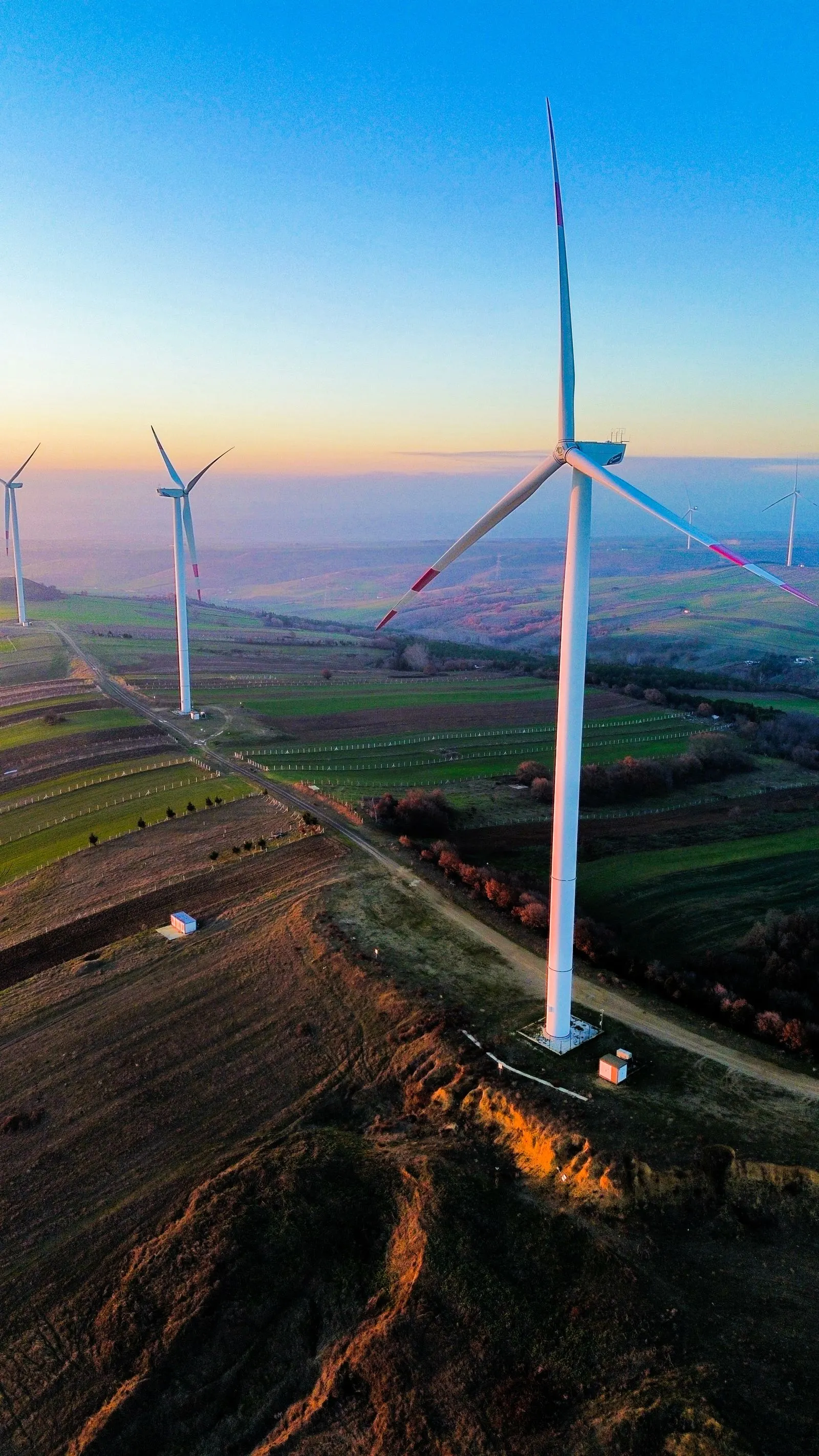
Wind turbines over farmland seen from above

13 core things

Objects

The nouns of the sector. Each object has an identity, properties and a history, and maps to records in the source systems.

  • Site
  • Asset
  • Sensor
  • Work order
  • Spare part
  • Technician
  • Incident
  • Permit to work
  • Meter
  • Feeder
  • Emission source
  • Contract
  • Shift
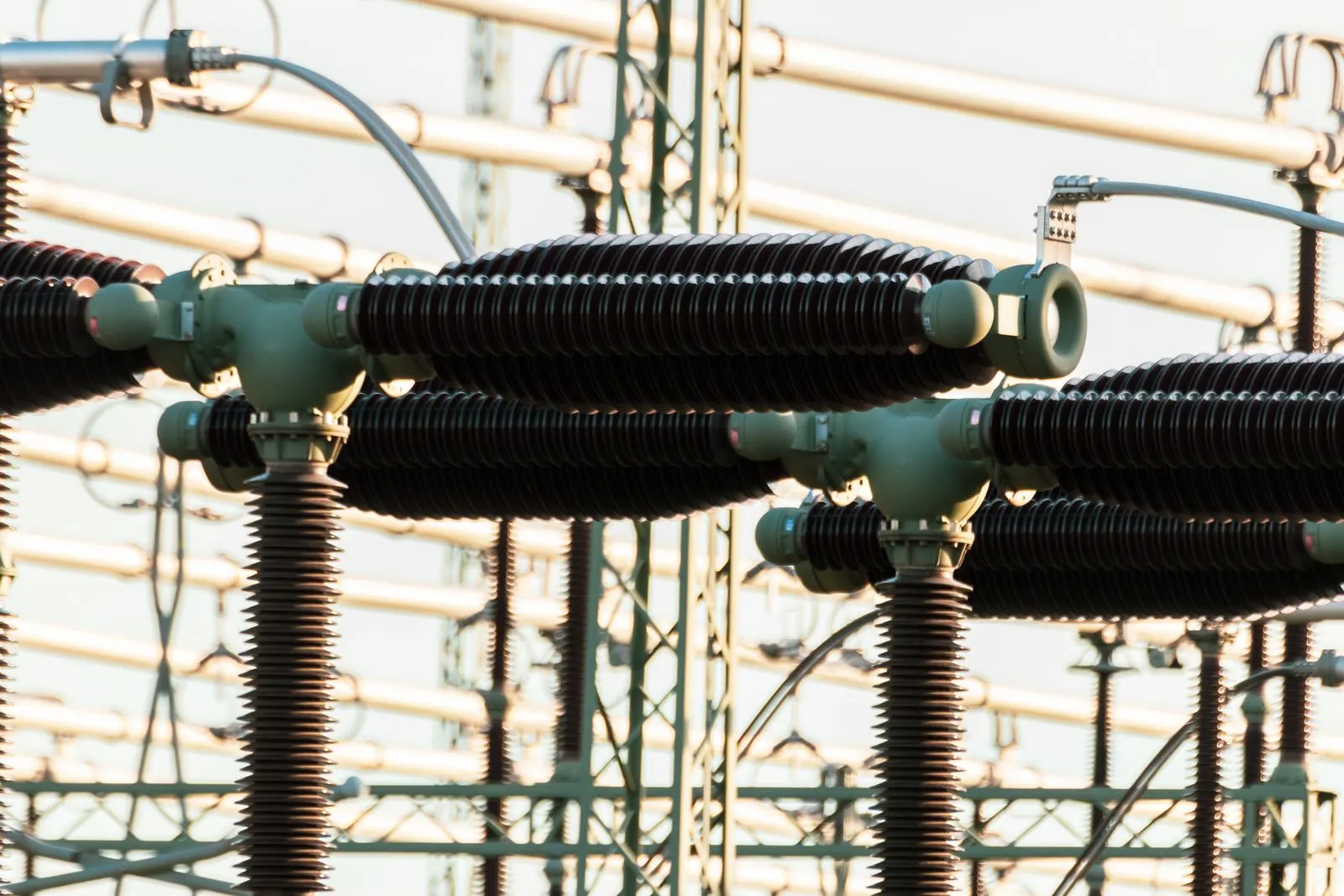
Electrical equipment at a substation

8 core relationships

Links

How the objects connect. Links turn separate tables into a graph that people and agents can walk.

  • Site contains Assets
  • Asset carries Sensors
  • Work order targets Asset and consumes Spare parts
  • Technician is assigned to Work order on a Shift
  • Incident occurs at Site and involves Asset
  • Permit to work authorizes a Work order
  • Meter measures a Feeder or customer
  • Emission source is linked to Asset and fuel use
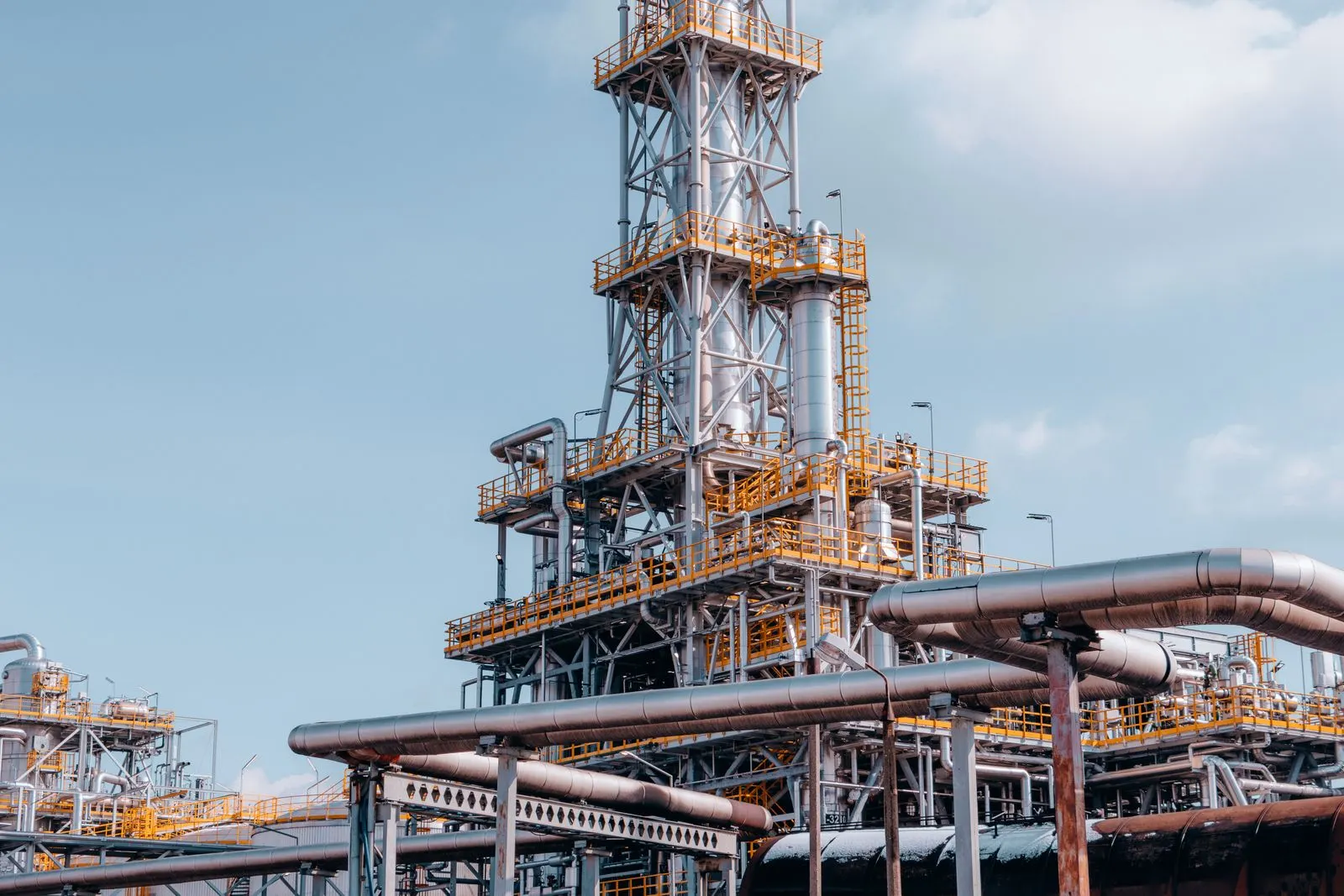
A refinery tower under blue sky

6 governed actions

Actions

What people and approved agents may do. Each action has rules, an approver where needed and a log entry.

  • Raise a condition based work order
  • Order or reserve a spare part
  • Issue or close a permit to work
  • Log and escalate a safety incident
  • Dispatch a crew to a fault
  • Publish an emissions or ESG report

03What changes on the ground

Use cases

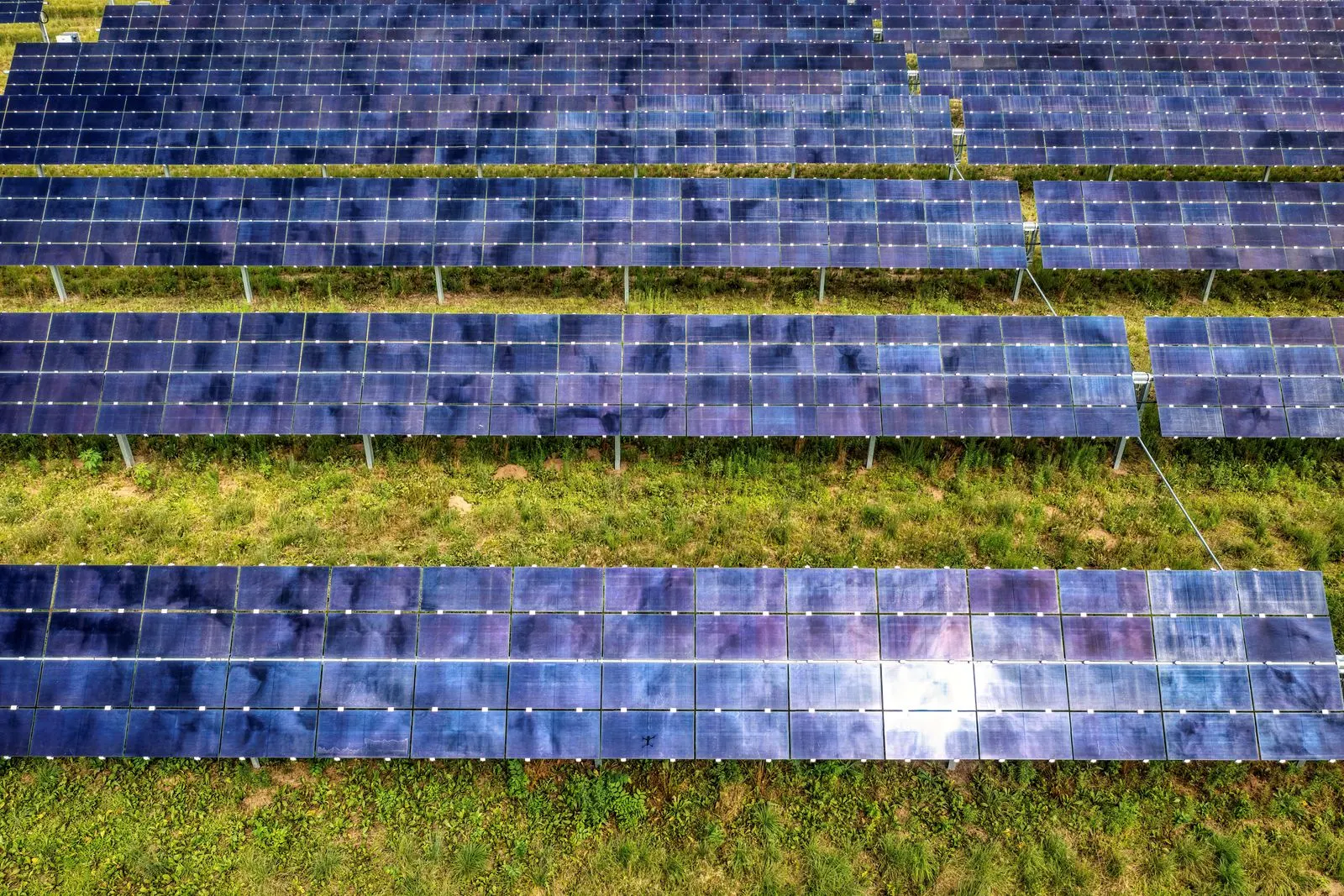
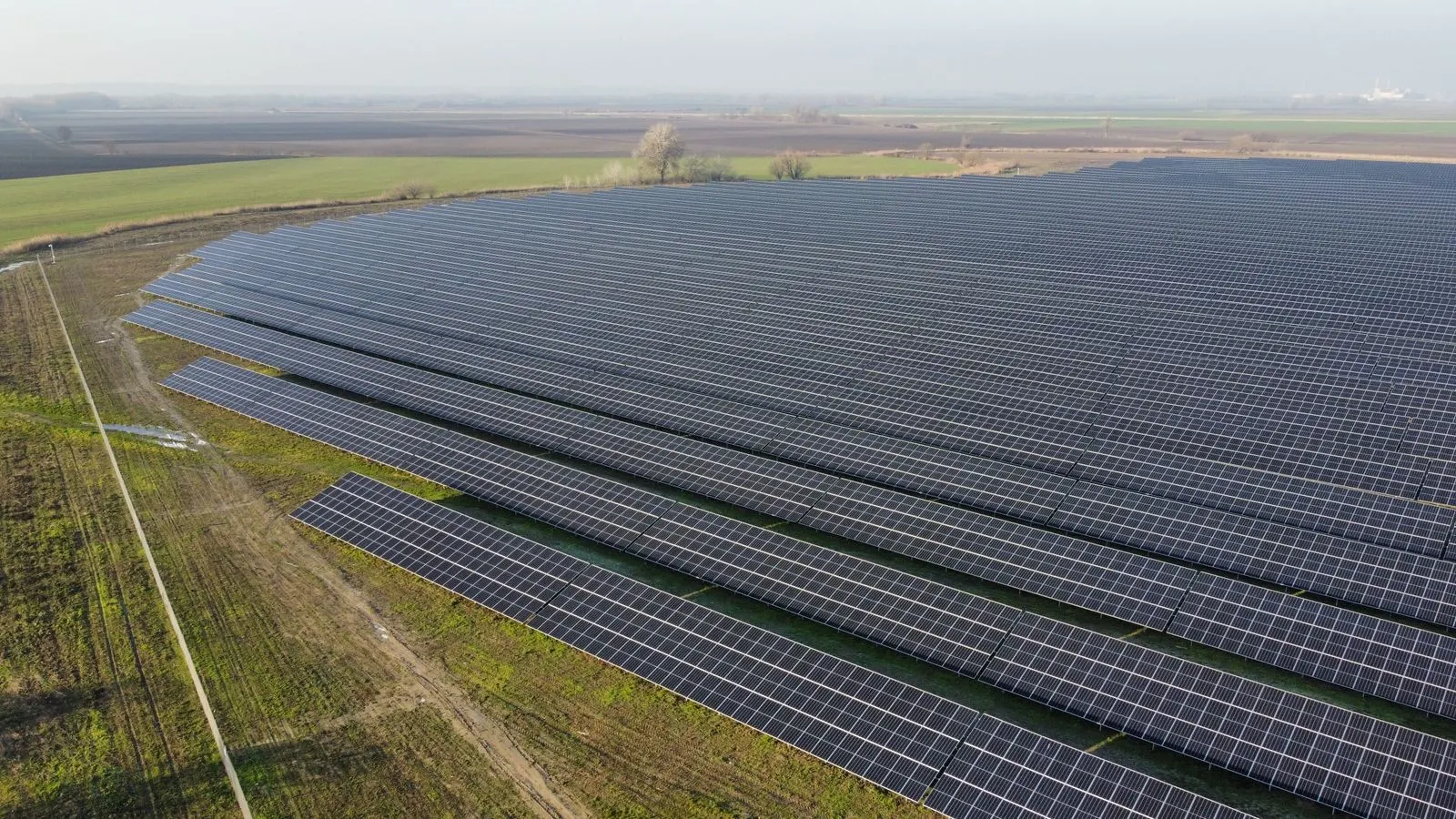
Rows of solar panels in a field
01

Situation

A power plant schedules maintenance on fixed dates. A pump fails between services and trips a line. Vibration and temperature trends were available but nobody joined them to repair history.

02

What it does

Sensors, maintenance records and operating hours attach to each asset. A model flags assets whose readings drift toward past failure patterns and drafts a work order with the evidence.

03

Human decides

The maintenance planner approves, delays or rejects the work order. Engineers own the thresholds and review false alarms.

04Sources to connect

Data you already have

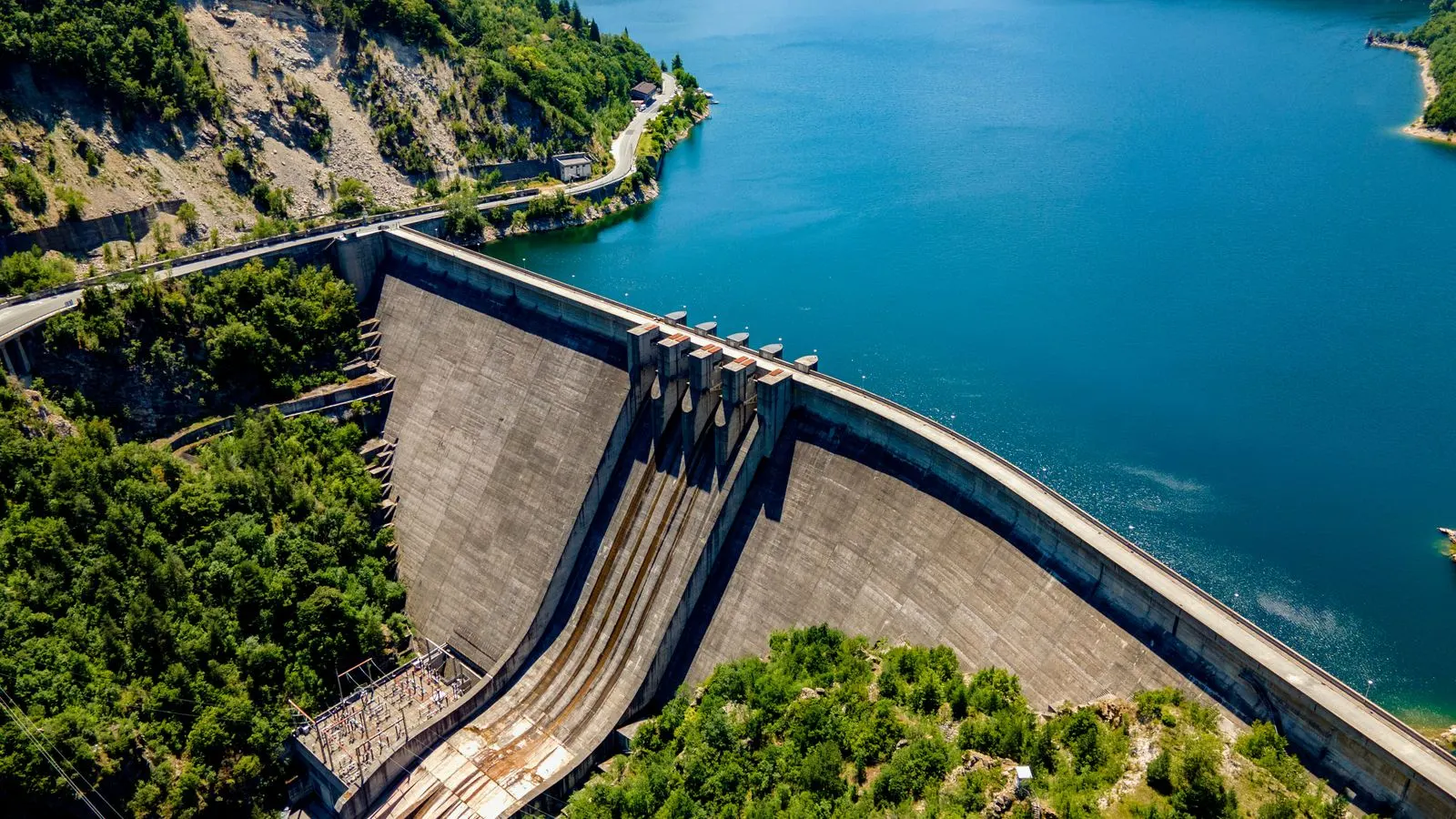
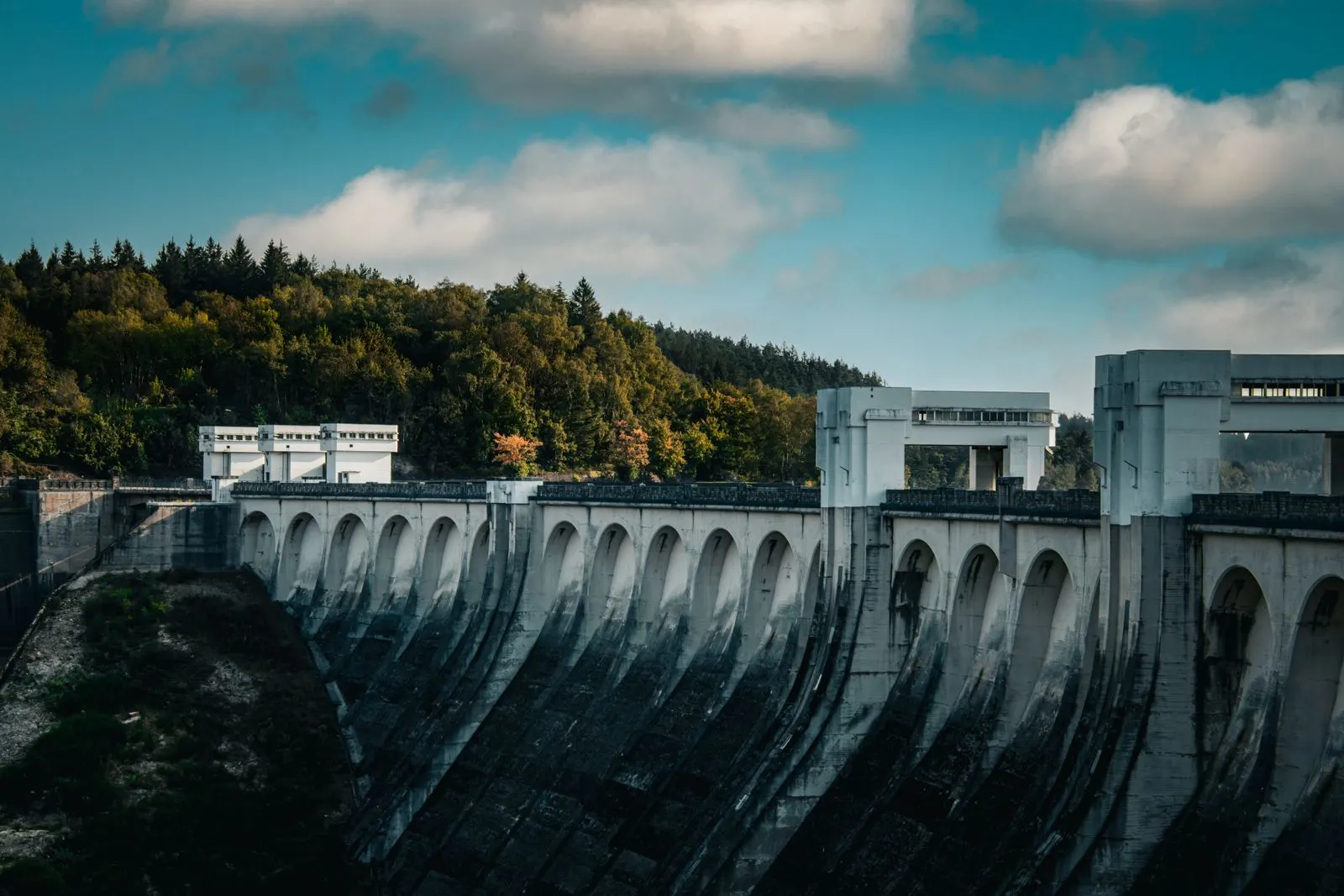
A hydroelectric dam beside a blue lake

We read from your existing systems first and write back only through approved actions. Every source has a named owner. Where connectivity is weak or records are on paper, we plan for queued sync and OCR with human review.

  • SCADA, historians and IoT sensor feeds
  • Computerized maintenance management systems
  • ERP systems for parts, purchasing and contracts
  • Smart meter and billing systems
  • Safety forms, permits and incident reports
  • Fuel, emissions and environmental monitoring data
  • Drone, satellite and inspection imagery
  • Geospatial network and site maps

See how this applies to your organization.

Free 30 minutes with an engineer.

05Laws that shape the design

Compliance and residency

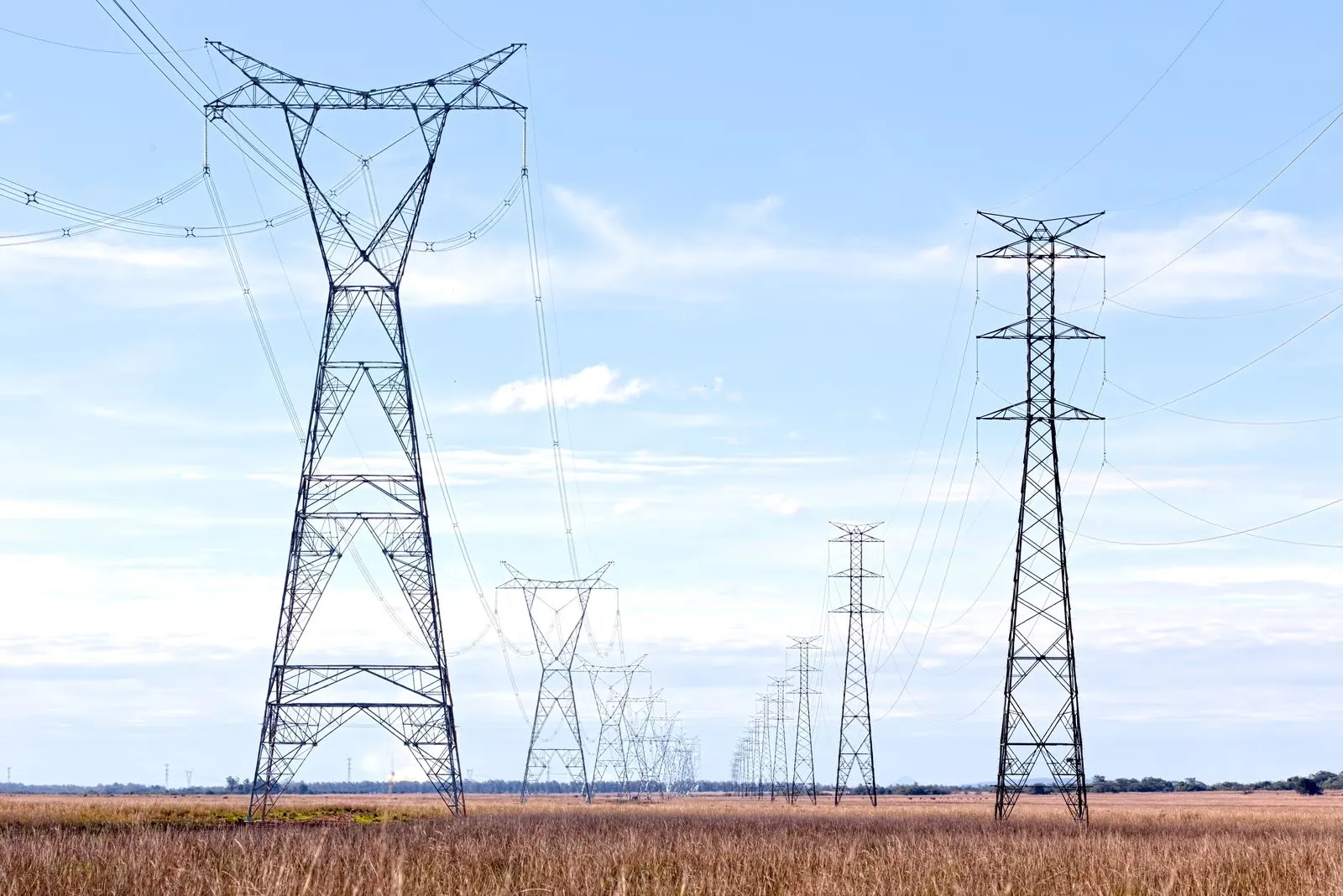
Power lines crossing open grassland
CountryLawWhat it means
South AfricaPOPIAEmployee, contractor and customer data need lawful processing and safeguards.
NigeriaNDPA 2023Customer metering data and workforce records are personal data and call for documented controls.
KenyaData Protection Act 2019Consumer and employee data need a lawful basis and appropriate security.
GhanaData Protection Act 2012Utility customer data falls under the controller principles.
Sector rulesEnergy, mining and environment regulatorsLicensing, safety and emissions reporting rules differ by country and license.

Operational technology also raises security obligations and sometimes critical infrastructure rules. These are examples only. Confirm what applies to your licenses with counsel and your regulators. Examples only, not legal advice. Confirm with counsel.

07

Frequently asked questions

  • No. We do not write to control systems. The platform reads data and proposes work. Any change to operations goes through your existing approvals.

Experience you can lean on

Our team of consultants and experts brings a combined 35 years of industry experience.

Immersed in technology and across many different verticals, so the people on your project have done this before.

Energy, mining and utilities

Working in energy, mining and utilities?

Tell us the problem. An engineer, not a salesperson, answers.

  • Free 30 minute briefing
  • Embedded engineers, working on your real systems
Power your operations

Working in energy, mining and utilities?

A live model of plants, grids, mines and field crews, linking assets, work orders, safety and emissions so operators can maintain, report and respond with less guesswork.