



Skip to content

Industries

Healthcare

Connect patient, facility, drug and referral data across clinics, hospitals and ministries, so clinicians and planners can see capacity, stock and outcomes without more paperwork.

Starting ontology for facilities, patients, stock and referrals
Sector pack
Starting ontology for facilities, patients, stock and referrals
Typical sources: facility records, paper registers, lab and pharmacy
EMR + registers
Typical sources: facility records, paper registers, lab and pharmacy
Regulators in scope: data protection and health ministries
Health data laws
Regulators in scope: data protection and health ministries
Channels: SMS, WhatsApp, tablets and offline apps
SMS to tablet
Channels: SMS, WhatsApp, tablets and offline apps

01How the work happens today

The challenge

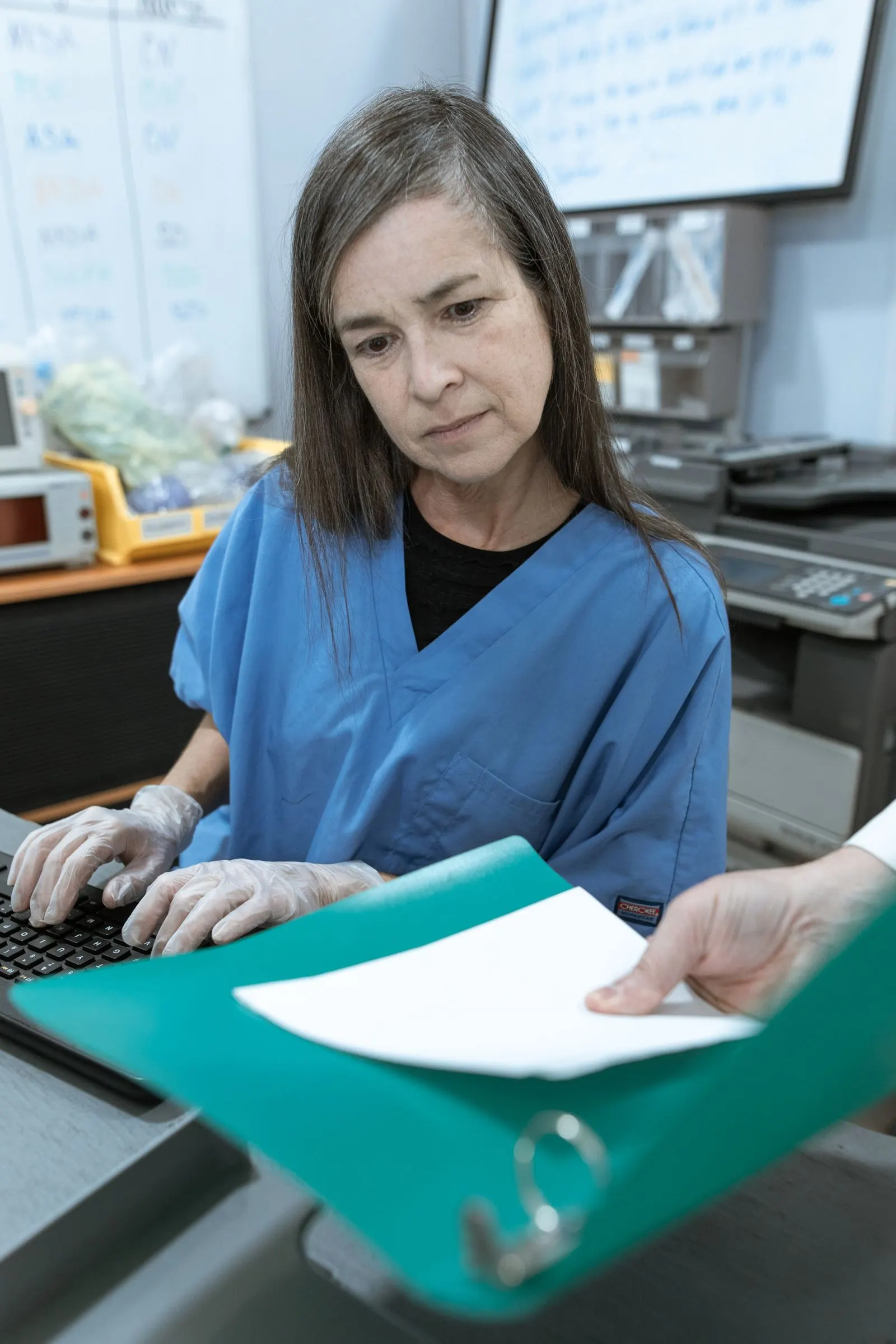
A nurse typing patient notes at a records desk

Health data in most African systems is spread across facilities that each run on their own. Some clinics use an electronic medical record. Many use paper registers, with monthly counts typed into a national reporting system. Laboratories, pharmacies and imaging run separate tools. Drug supply chains report stock on spreadsheets or in a logistics system that clinicians never see. Referrals between a health post, a district hospital and a specialist center often depend on a phone call and a handwritten note.

Because records do not follow the patient, clinicians repeat tests and miss history. Stockouts of essential medicines are found after patients have been sent home. District managers see last month's numbers, not this week's. Planners cannot tell which facilities have the staff, beds and equipment to take a referral. Any AI project needs consented, labeled, secure data, and most facilities cannot provide it. Sensitive health data also raises the stakes: a leak harms real people, and trust is hard to rebuild.

02A starting model for the sector

The ontology

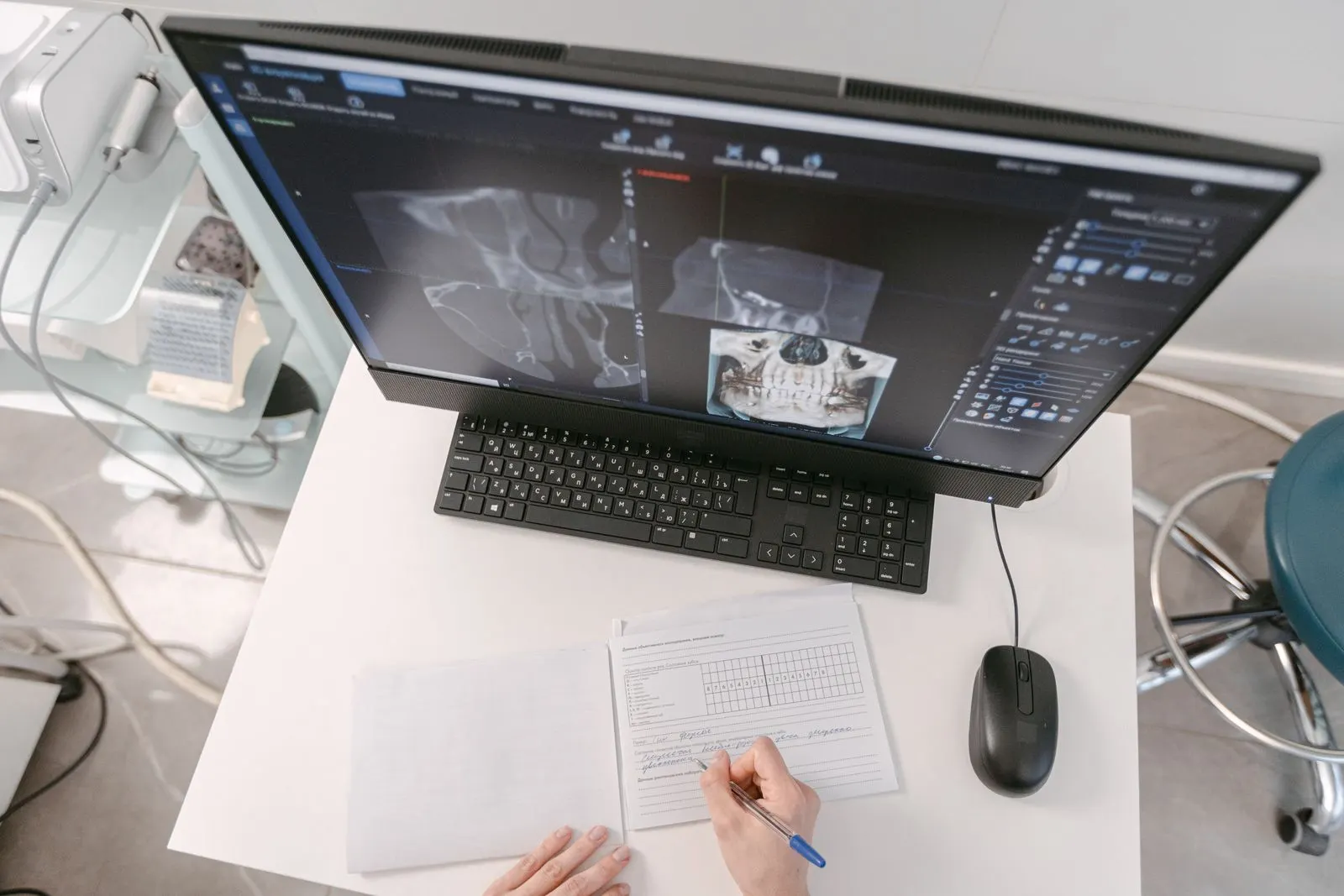
A clinician taking notes beside a scan on a monitor
A community health worker in scrubs

13 core things

Objects

The nouns of the sector. Each object has an identity, properties and a history, and maps to records in the source systems.

  • Patient
  • Encounter
  • Facility
  • Clinician
  • Diagnosis
  • Prescription
  • Medicine
  • Stock batch
  • Lab order
  • Referral
  • Appointment
  • Program
  • Equipment
A smiling nurse in green scrubs

8 core relationships

Links

How the objects connect. Links turn separate tables into a graph that people and agents can walk.

  • Patient has Encounter at Facility
  • Encounter is recorded by Clinician
  • Encounter produces Diagnosis, Lab order and Prescription
  • Prescription dispenses Medicine from Stock batch
  • Facility holds Stock batch and Equipment
  • Referral moves Patient between Facilities
  • Patient enrolls in Program
  • Appointment schedules Patient with Clinician
A lab technician preparing samples

6 governed actions

Actions

What people and approved agents may do. Each action has rules, an approver where needed and a log entry.

  • Raise a stock reorder
  • Create and track a referral
  • Schedule a follow-up and send a reminder
  • Flag a patient for care review
  • Redistribute stock between facilities
  • Submit a facility report to the district

03What changes on the ground

Use cases

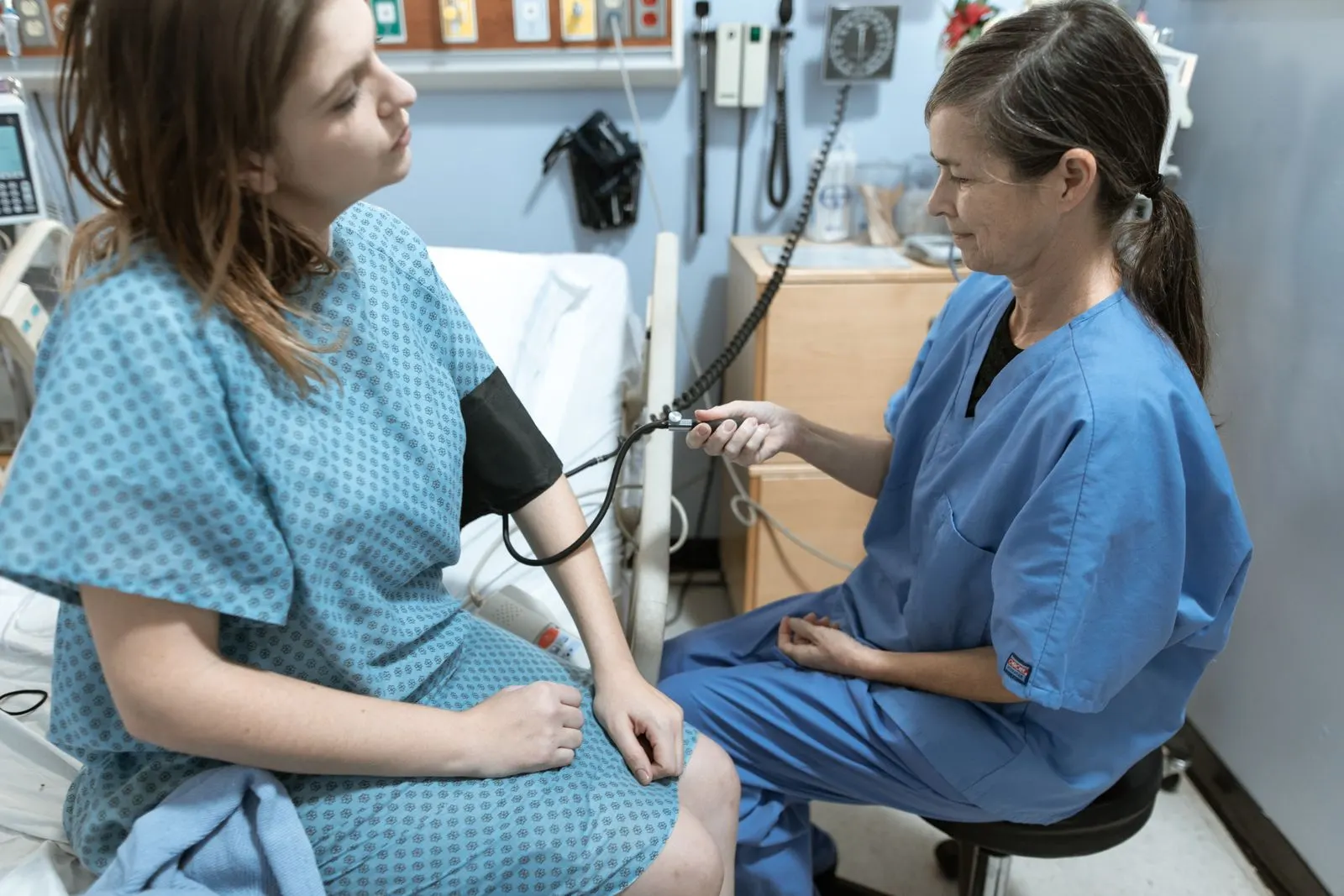
A nurse checking a patient’s blood pressure
01

Situation

A district health office manages essential medicines across dozens of clinics. Stock counts arrive monthly on paper or by SMS. Clinics run out of antimalarials or antibiotics while another facility holds surplus near expiry.

02

What it does

Stock batches, consumption and expiry dates are modeled per facility. The system estimates when each clinic will run out and proposes transfers or reorders. Notices go to clinic staff by SMS in the local language.

03

Human decides

The district pharmacist approves transfers and orders. Clinic staff confirm what they actually hold, and the count corrects the model.

04Sources to connect

Data you already have

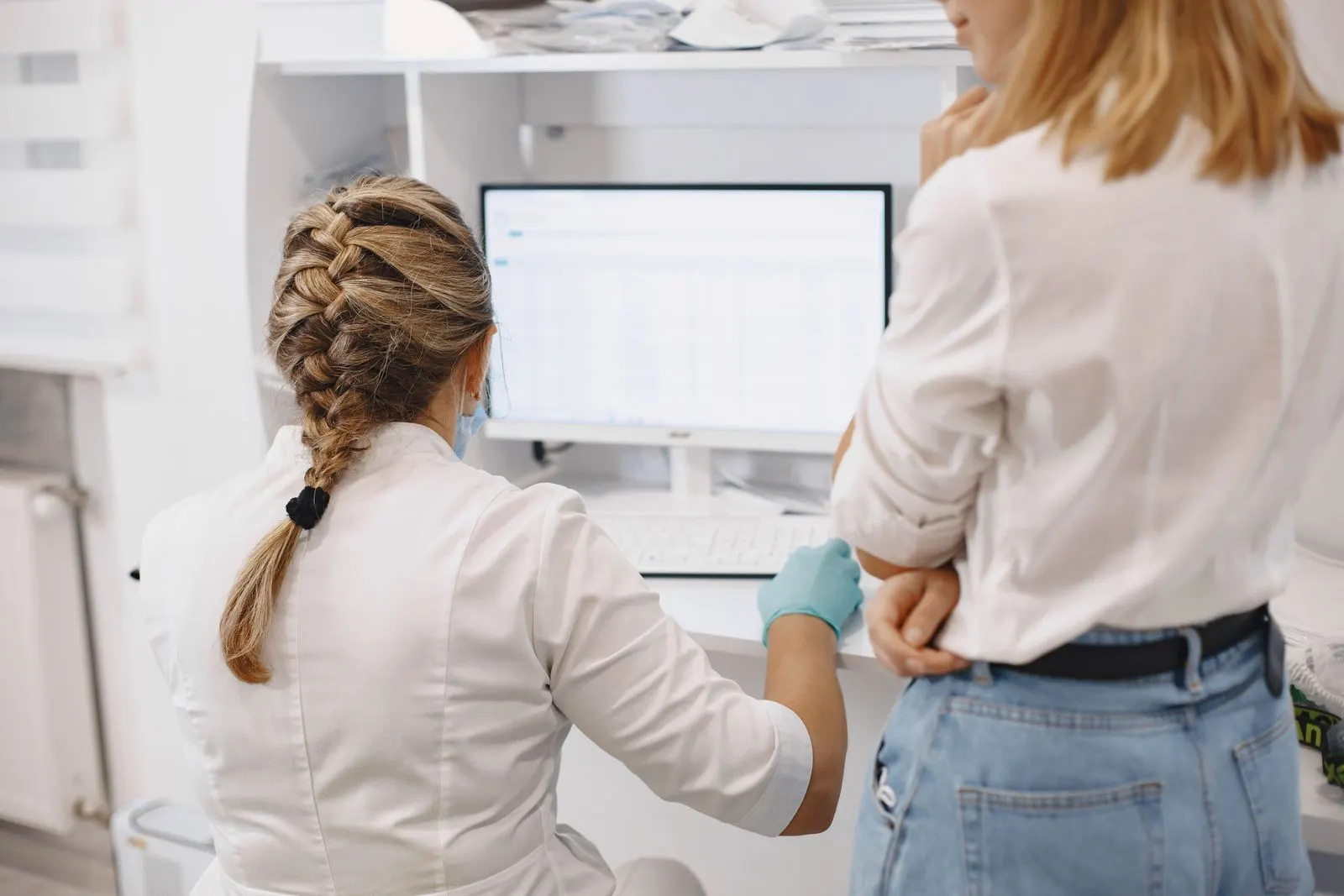
Two colleagues reviewing results on a lab computer

We read from your existing systems first and write back only through approved actions. Every source has a named owner. Where connectivity is weak or records are on paper, we plan for queued sync and OCR with human review.

  • Electronic medical records and hospital information systems
  • Paper registers and patient cards, digitized through OCR and data entry
  • National health information systems such as DHIS2-style reporting
  • Laboratory and radiology information systems
  • Pharmacy, dispensing and drug logistics systems
  • Program and registry data for HIV, TB, malaria and maternal health
  • Equipment inventories and maintenance logs
  • SMS, USSD and WhatsApp interactions with patients and community workers

See how this applies to your organization.

Free 30 minutes with an engineer.

05Laws that shape the design

Compliance and residency

A doctor discussing a case with a colleague
CountryLawWhat it means
NigeriaNDPA 2023Health data is typically treated as sensitive, which may require stronger consent and safeguards.
KenyaData Protection Act 2019Health data is sensitive personal data. Processing needs a lawful basis and security measures, and transfers abroad are restricted in some cases.
South AfricaPOPIASpecial personal information, including health, has stricter conditions. Sector health laws add confidentiality duties.
GhanaData Protection Act 2012Special personal data, including health, has additional conditions for processing.
RwandaLaw on Personal Data Protection 2021Sensitive data rules and storage limits may influence where records and models are hosted.

Health ministries, professional councils and facility licensing bodies may add rules on records and telemedicine. These examples are not legal advice. Confirm current requirements with counsel and your ministry. Examples only, not legal advice. Confirm with counsel.

07

Frequently asked questions

  • No. We build the data and workflow layer. Any decision-support model is clinically owned, validated by your experts and always reviewed by a clinician.

Experience you can lean on

Our team of consultants and experts brings a combined 35 years of industry experience.

Immersed in technology and across many different verticals, so the people on your project have done this before.

Healthcare

Working in healthcare?

Tell us the problem. An engineer, not a salesperson, answers.

  • Free 30 minute briefing
  • Embedded engineers, working on your real systems
Connect your care data

Working in healthcare?

Connect patient, facility, drug and referral data across clinics, hospitals and ministries, so clinicians and planners can see capacity, stock and outcomes without more paperwork.